
“The teachers are not OK”: As the pandemic eases, a leader sees continued strain
The pandemic has taken a toll on almost everyone, but among the groups that have endured a particularly hard time are teachers.
They started the pandemic as workers gamely trying to continue teaching virtually. Later, as the pandemic worsened some were criticized for being wary of returning to in-person instruction. Finally, they became entangled in political disputes about how to teach about race and efforts to pull books focused on sexual, gender and racial issues from school libraries.
All this was capped by the Republican-controlled General Assembly passing a budget with a weak pay raise averaging 5% percent over two years to teachers who haven’t had a state raise in three years. The bump in pay includes automatic step increases and for veteran teachers it provides almost no raise.
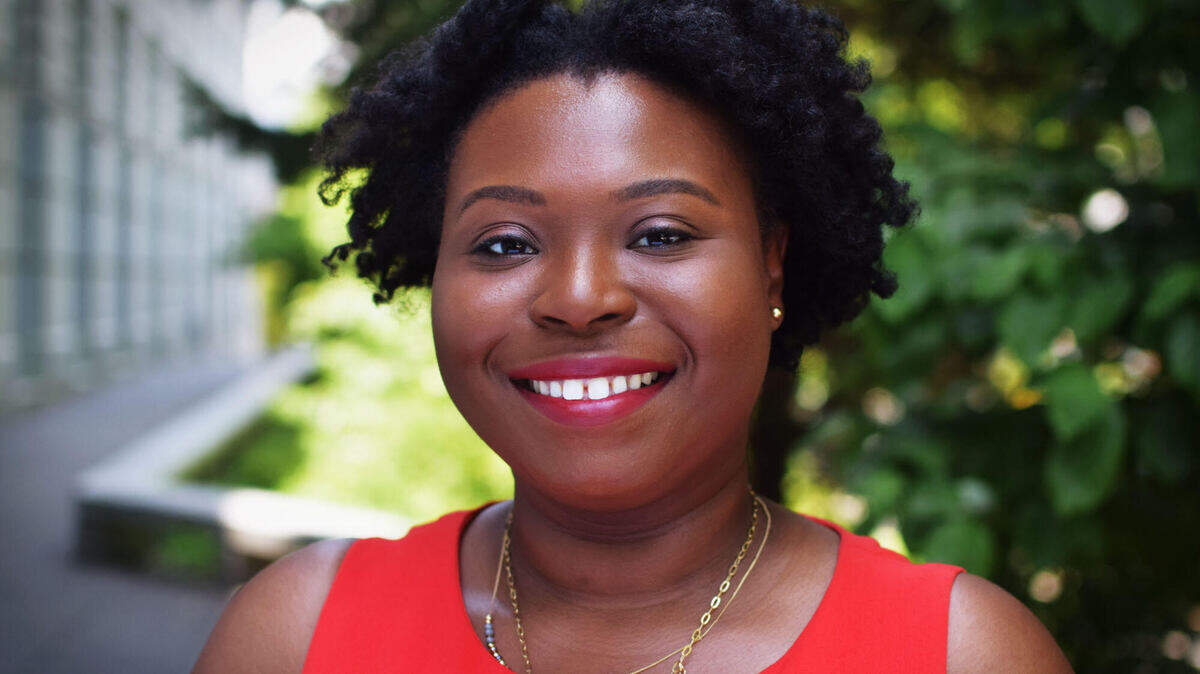
As the pandemic eases – for the moment – I spoke with Tamika Walker Kelly, president of the North Carolina Association of Educators (NCAE), about how teachers are emerging from almost two years of COVID and the accompanying political stresses.
“The teachers are not OK,” she said.
Walker Kelly, a 14-year veteran teacher of the Cumberland County Schools. has known nothing but the pandemic since being elected NCAE president in April of 2020.
“We are at the cusp of breaking,” she said. “I am deeply concerned about the state of our educators. They are extremely tired and feeling battered by this pandemic.”
She added, “Many of us in our inner circles have wondered about the state of public education because it feels very much like teachers have taken on so much, to the detriment of our own physical and mental health, and also to become points of attack amid a lot of political battles. It’s a very hard time to be an educator.”
And while the pandemic seems to be easing, the crisis for teachers isn’t. The stresses of the pandemic, lagging pay and now politics intruding into the classroom has accelerated the exodus of teachers.
“The pandemic has exacerbated the already broken pipeline of people coming into the education profession and it has hastened the exit of many highly qualified educators who have chosen to resign or retire early because the conditions are unsustainable,” Walker Kelly said.
“We wonder if we’ll have enough staff in August when the next school year rolls around,” she said.
The teacher shortage has been aggravated by tight state budgets that have led to the loss of thousands of teacher assistants. The result, Walker Kelly said, is that teachers have less one-on-one time to help students who have fallen behind during the pandemic’s disruptions.
That one-on-one attention is important for more than instruction. In many communities, teachers also counsel children, especially since the North Carolina system is also woefully short on school nurses, social workers and psychologists.
“Students were not immune from the effects of the pandemic. They were not immune from COVID. Some had COVID, some of them lost a parent or a loved one to COVID,” Walker Kelly said. “The teacher is the one who delivers the academic content, but they’re also there as a social, emotional resource for these kids to talk them through some of what we call in elementary school these ‘big feelings’ that they have about things that have happened to them during this pandemic.”
Despite a grim situation for public school teachers and public schools, Walker Kelly said she is optimistic that North Carolinians ultimately will demand that schools get what students need.
“When I walk into a classroom, be it in the mountains or be it at the beach, and I see parents come to school and greet teachers with smiles on their faces and educators greeting kids with smiles on their faces, I know that there’s a deep love of public schools in North Carolina,” she said. “If we continue to elevate the conversation about public schools in North Carolina, I know that we will get a General Assembly that loves public schools as well.”