
Business owners are lobbying for NC gas tax breaks. Is it worth it?
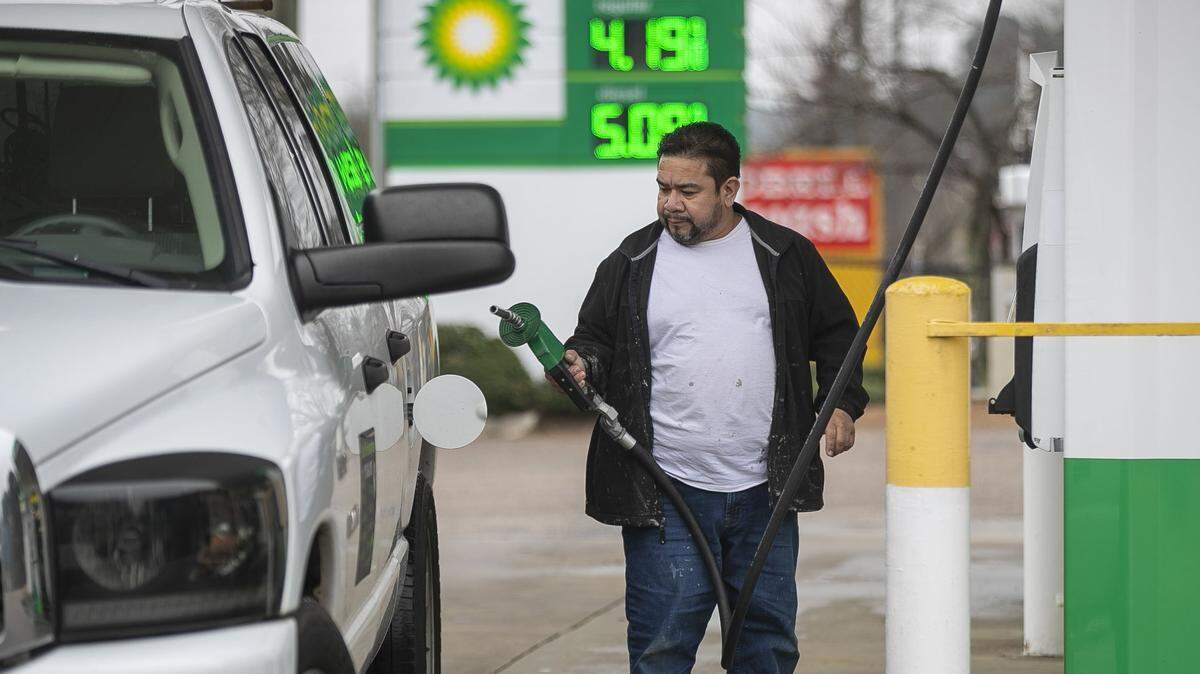
Last week, the National Federation of Independent Business asked Gov. Roy Cooper to consider suspending North Carolina’s fuel tax to help business owners and other consumers who are paying an average of $1.42 more per gallon of gas than they were a year ago.
“Our elected leaders have been good stewards of taxpayers’ money to the point where the state has a projected budget surplus of $2.4 billion and a rainy day fund of $4.2 billion,” NFIB state director Gregg Thompson said in a press release. “We believe North Carolina can and should suspend the motor fuels tax as soon as possible.”
It would make a lot of sense for North Carolina to give its workers a small break, in theory. North Carolina has a higher state fuel tax (including fees) than all but five states, and just over one percent of workers commuted via public transportation in 2019.
As Thompson notes, the state also has the money to front the loss in revenue. The most reasonable way to enact a gas tax measure and maintain our infrastructure is if the revenue shortfall is supplemented by the rainy day fund and state reserves.
Yes, North Carolinians pay more than most for gas, but we also have some of the better roads in the United States: an analysis by national transportation nonprofit TRIP found that 33 percent of North Carolina’s roads were in poor condition in 2021, compared to 40 percent of the nation’s major roads.
About 66 percent of the money we spend on building and maintaining roads comes from fuel taxes. In 2021, state fuel taxes meant $2.1 billion for the Department of Transportation, helping to pay for the 30 projects currently maintaining our roads and bridges, and even more projects in development or looking for funding.
What are other states considering? In California, where the average cost per gallon is approaching $6 and the state has the second highest gas tax percentage of all 50 states, California Republicans are pushing for a gas tax break and dipping into the general fund for infrastructure costs. But as The Sacramento Bee noted, there are real concerns over whether this will make that much of a difference. Even with a tax break, Californians would save 51 cents a gallon, or roughly $10 a refuel, and the price per gallon would still average over $5.
In Florida, the legislature approved a tax holiday for October, without replacing the funds through their reserves. But Florida also generates a third of its revenue from tolls and only 50 percent of its revenue from gas taxes. The deficit from the tax losses would be slightly more bearable than it could be for North Carolina.
In a perfect world, North Carolina would invest more money in public transit systems that are reliable and far-reaching to ensure we reduce commuting costs and our collective carbon footprint. Cooper wants to see an increase in electric vehicle use and the infrastructure to support that. In reality, those things are a long way off. The majority of North Carolinians rely on cars, and almost all of them use gas. But we also shouldn’t sacrifice our infrastructure projects, especially considering the effects poor quality roads can have on our cars.
A North Carolina gas tax holiday wouldn’t save people a lot of money — about $6 per tank — but $6 makes a difference for a lot of people, especially those who don’t have a public transit option.
Banning Russian oil was an act that garnered bipartisan support, even with the understanding that consumers were already experiencing sticker shock at the pump. Republicans have built up our budget surplus and rainy day fund, one that is still flush. If they do choose to enact a gas tax holiday, now is the time to get the umbrella.
BEHIND THE STORY
MOREWhat is the Editorial Board?
The Charlotte Observer and Raleigh News & Observer editorial boards combined in 2019 to provide fuller and more diverse North Carolina opinion content to our readers. The editorial board operates independently from the newsrooms in Charlotte and Raleigh and does not influence the work of the reporting and editing staffs. The combined board is led by N.C. Opinion Editor Peter St. Onge, who is joined in Raleigh by deputy Opinion editor Ned Barnett and in Charlotte by deputy Opinion editor Paige Masten. Board members also include Observer editor Rana Cash and News & Observer editor Nicole Stockdale. For questions about the board or our editorials, email pstonge@charlotteobserver.com.