
The opioid epidemic is pushing more kids into foster care. NC plans and funds could help them.
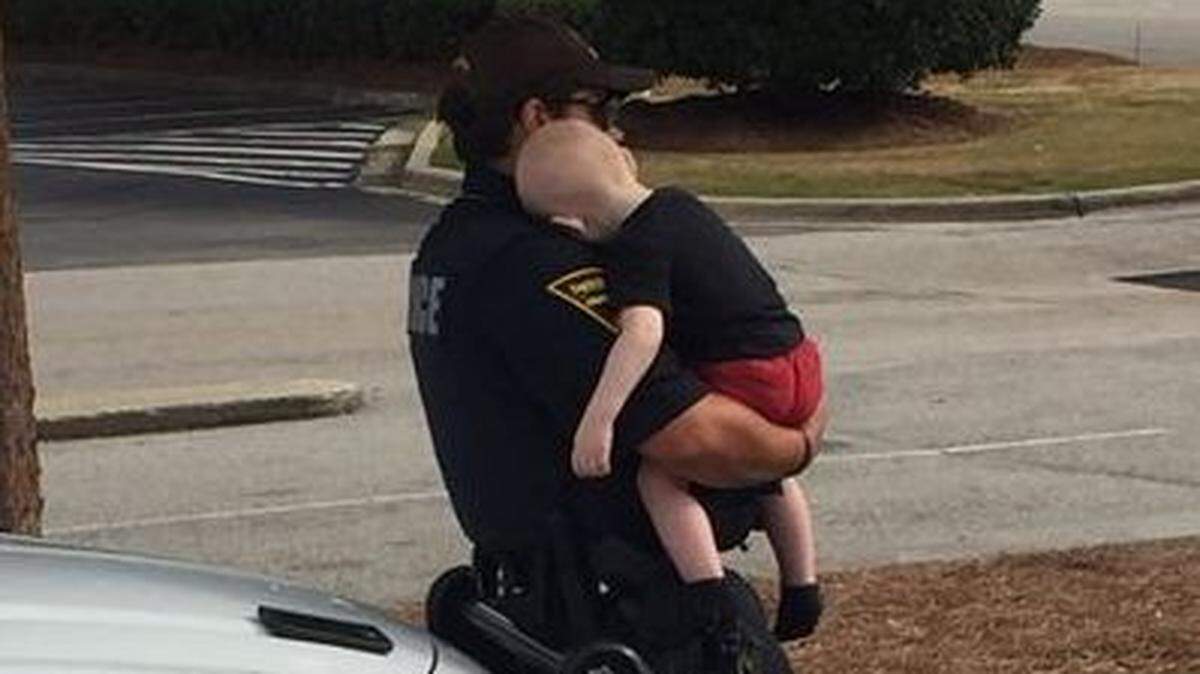
In September 2021, Fayetteville police responded to a 911 call about a young couple slumped over and unconscious in a car parked in a shopping center lot. The car had been there more than eight hours.
The couple had overdosed on heroin. Also in the car was their 1-year-old son. The parents survived and were charged with possession of heroin and contributing to the delinquency of a minor.
The child was fortunate to have grandparents who could care for him. But as the opioid epidemic has spiked in recent years, more children are entering foster care because of substance use in the home.
In North Carolina, parental substance use has become the leading reason children enter the foster care system. The state Department of Health and Human Services (DHHS) reports that of 15,239 children in foster care in 2021, 41 percent were removed from their homes because of drug use. That’s up from less than 29 percent in 2012.
Help is coming from the $750 million being distributed to North Carolina and its local governments as part of a $26 billion national opioid settlement with three major pharmaceutical distributors. Eighty five percent of North Carolina’s share will go to 100 counties and 47 municipalities to pay for prevention, treatment and recovery services. Fifteen percent will go to the state for similar purposes.
State Attorney General Josh Stein, who helped negotiate the settlement, said in announcing it that, “The treatment, recovery, prevention, and harm reduction services that will be available across the state will help people regain control over their lives and make North Carolina safer.”
The settlement will go a long way to stem the damage from opioid addiction, but the state also needs to make a long-term funding commitment to building and maintaining stronger behavioral health and child welfare systems. A recent DHHS report said, “North Carolina ranks last among similar states in child welfare investment per child across public funding sources.”
The broadest response would be for the legislature to approve Medicaid expansion. That would enable more of those addicted to opioids to afford counseling and drug rehab. Legislation passed in 2021 took a step in this direction by allowing parents whose children are placed in foster care to maintain Medicaid benefits if the plan for the family is reunification.
DHHS is seeking to improve services for children and families. It recently issued a report titled: “Transforming Child Welfare and Family Well-Being Together: A Coordinated Action Plan for Better Outcomes.” The report, developed by a 38-member team representing units of DHHS, county social services agencies and private groups across the state, outlines a plan for initiating, expanding and coordinating child and family programs, particularly those that serve children with complex behavioral problems.
In part, it calls for creating more services aimed at keeping children and parents together, more crisis housing for children and added resources for children affected by trauma.
The report states: “The longer children are separated from their families, the less likely they are to be reunified with them, and they run a higher risk of experiencing poor health and social outcomes, including homelessness and involvement with the justice system.”
The total cost it quotes for carrying out the plan is a recurring annual investment of $60.1 million. At a time when the rise in opioid abuse is leaving more children in danger of harm and neglect, that price is one North Carolina should readily pay.
BEHIND THE STORY
MOREWhat is the Editorial Board?
The Charlotte Observer and Raleigh News & Observer editorial boards combined in 2019 to provide fuller and more diverse North Carolina opinion content to our readers. The editorial board operates independently from the newsrooms in Charlotte and Raleigh and does not influence the work of the reporting and editing staffs. The combined board is led by N.C. Opinion Editor Peter St. Onge, who is joined in Raleigh by deputy Opinion editor Ned Barnett and in Charlotte by deputy Opinion editor Paige Masten. Board members also include Observer editor Rana Cash and News & Observer editor Nicole Stockdale. For questions about the board or our editorials, email pstonge@charlotteobserver.com.