
In removing names, NC colleges like Meredith are making a rush judgment
.jpg "As part of a campus-wide anti-racism initiative Meredith College is renaming Joyner Hall, after acknowledging the building is named for “an advocate for white supremacy and unequal funding for schools based on race.” James Yadkin Joyner served as a trustee at the women’s liberal arts college in Raleigh for 55 years.")
I believe that James Yadkin Joyner and other pioneers and champions of public education in North Carolina have been misjudged.
Joyner, whose name was recently removed from a building at Meredith College in Raleigh, was not a villain. He was a hero.
Born in 1862, he graduated from the University of North Carolina in 1881, where his classmates were Edwin A. Alderman, Charles D. McIver, and Charles B. Aycock, all of whom later figured prominently in education in North Carolina. Aycock became governor.
Joyner attended law school and became an attorney in 1886. But his attention soon returned to education. He served as chairman of the Wayne County Board of Education, and, in 1889, he joined Alderman and McIver in traveling across the state conducting teacher training. He spent four years as Goldsboro Graded Schools superintendent, where Aycock was chairman of the trustee board.
Convinced of the value of higher education for women, Joyner spent the next nine years as professor of English and dean of the new State Normal and Industrial College, the parent institution of the University of North Carolina at Greensboro.
He was active in teacher education and summer teacher institutes, speaking out on educational issues, particularly defending state support for public education. He lobbied for law changes and better textbooks.
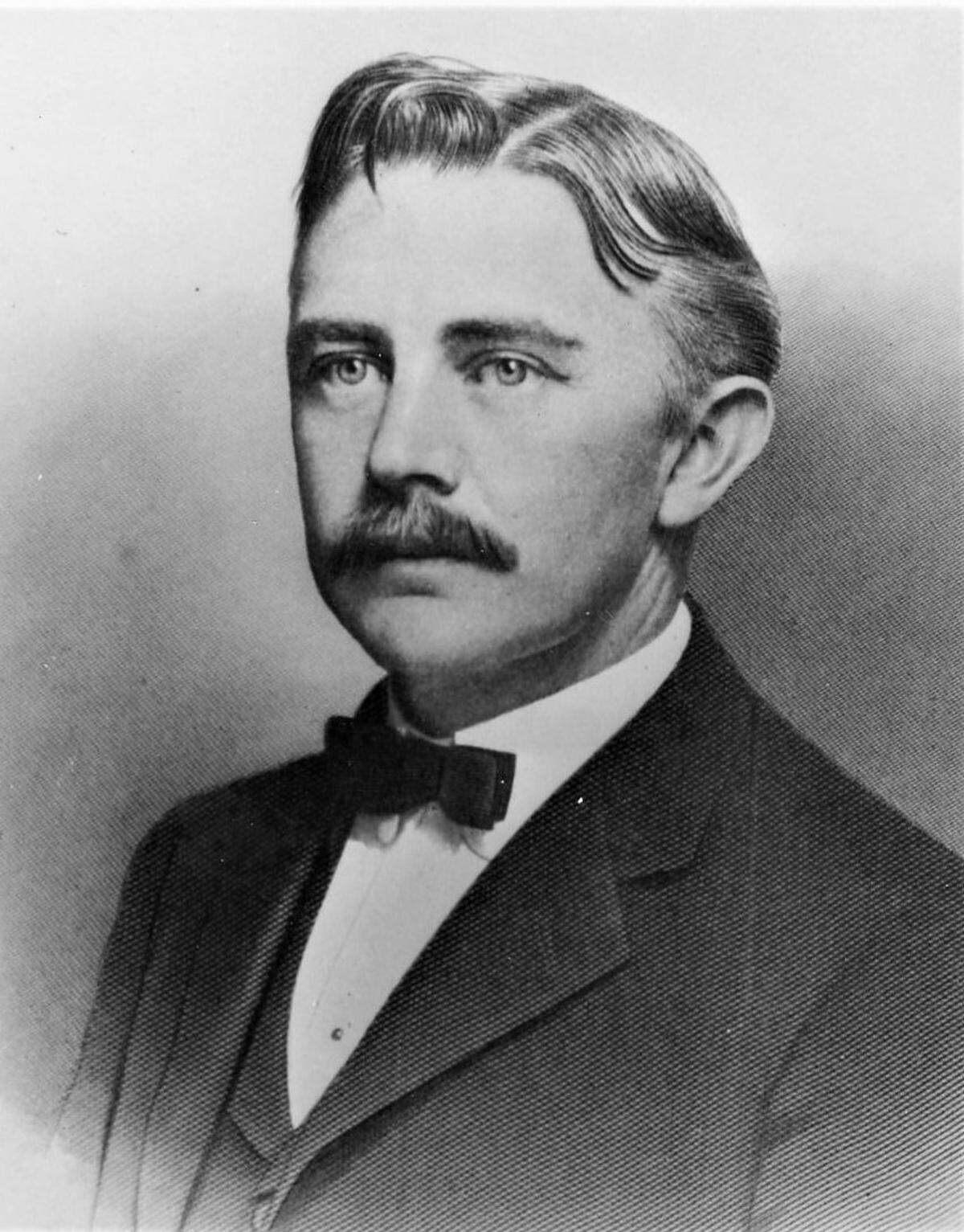
As governor, Aycock appointed Joyner as State Superintendent of Public Instruction in 1902. Subsequently elected to five more terms, Joyner retired in 1919. Throughout his tenure, he lobbied the reluctant state legislature to provide more funding for public schools, including for Black schools, trying to figure out how to gather up as many crumbs from under the table as possible, often emphasizing vocational over academic offerings.
In Joyner’s day, there was much public debate in America over the alleged scientific basis for racial differences. In 1904, America’s leading psychologist, G. Stanley Hall, argued that, developmentally, Blacks and women were more like children in their emotional and intellectual responses. This sort of thinking strikes us as utter nonsense today, but this was the “science” of the period. To accomplish anything at all, Joyner had to compromise.
At Meredith, it was noted that Joyner “worked with Charles B. Aycock,” as if such a connection suggested guilt by association, a classical fallacy in logical argument.
I believe that Joyner is being treated unfairly in a rush to judgment, as part of the general tsunami of popular condemnations of formerly-revered public figures, despite their laudable achievements and generous aspirations.
The study group at Meredith alleges that Joyner “advocated for white supremacy.” The term “white supremacist” today carries with it the image of a vicious, hateful bigot. It is unfair and inaccurate to dump the baggage of such a pejorative label on Joyner.
Judging historical figures outside the context of their times distorts reality.
Joyner’s name should remain on all buildings named for him and his portrait should be restored.
The reputation of James Yadkin Joyner should rest, not on the weaknesses of his career but on the overwhelmingly positive contributions he made to this state in the body of his work. Joyner was not a villain. He was a hero.
This story was originally published April 12, 2022 at 4:30 AM with the headline "In removing names, NC colleges like Meredith are making a rush judgment."