Don’t punish NC residents for marijuana
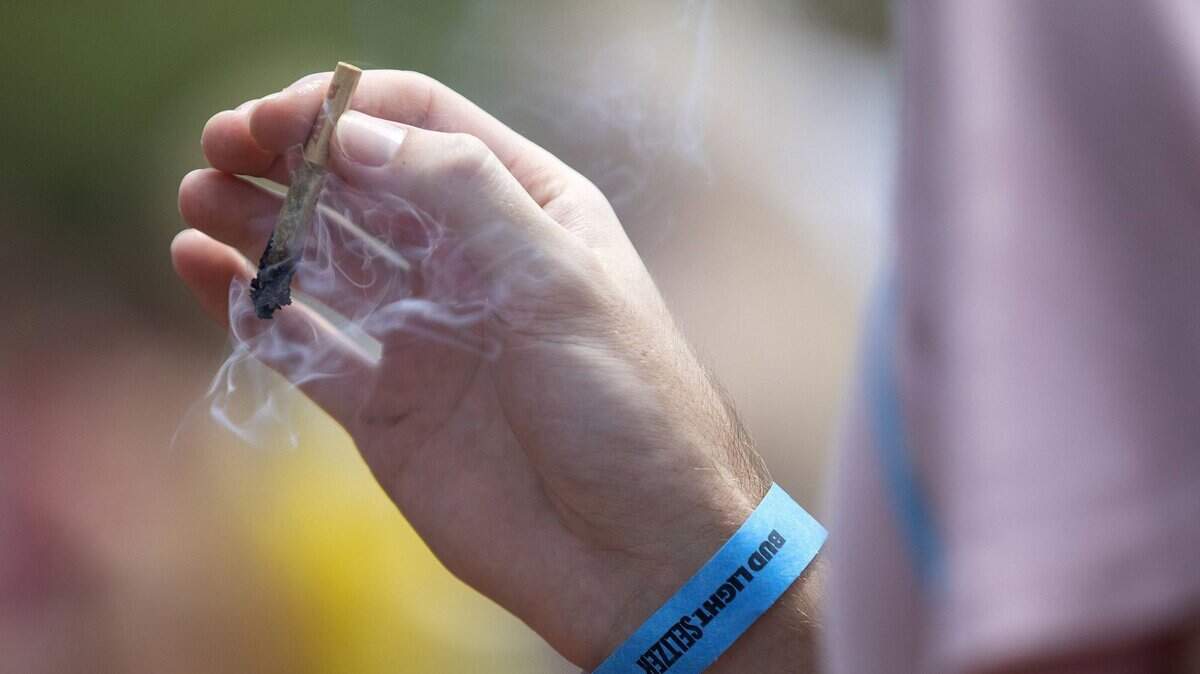
To the North Carolina General Assembly, the morality of marijuana is a swinging pendulum: it is a medicine with proven health benefits, or it is a dangerous gateway drug.
In August, the state was playing with the idea of a slimmed down version of medical marijuana where legislators could keep the pendulum in motion: people with terminal illnesses would be permitted to smoke, eat or otherwise ingest cannabis for health reasons, but broader issues, like anxiety and chronic pain, didn’t make the cut. There’s a likelihood that the bill will make a resurgence in the spring legislative session, with similar restraints on who can use cannabis to treat their illnesses.
That means that the majority of people who could benefit from cannabis — and likely the majority of people already finding the substance illegally — are still at risk of jail time for marijuana.
There were medical prescriptions for alcohol during Prohibition; it didn’t keep alcohol relegated to those select patients. Similarly, legalizing cannabis for medical patients won’t keep cannabis away from the rest of the state. Instead of pursuing medical legalization, the best solution is for North Carolina to regulate the product in the same way we regulate tobacco or alcohol.
Cas Futrell, the deputy director for the state chapter of the National Organization for the Reform of Marijuana Laws (NC NORML), says that relying on our current health care system will still hurt Black and Brown people, who must confront racist stereotypes in the medical industry about “drug-seeking” and pain tolerance. On top of that, it adheres to the idea that everyone has a doctor who can write prescriptions — when fewer people, especially poor people, have a primary care physician they’ve seen in the last year.
“It’s hard enough for a lot of patients to get access to regular medications to deal with what they need help with,” Futrell says.
It’s not like marijuana is uncommon, despite its prohibition: a Gallup poll from August 2021 found that almost half of U.S. residents have tried cannabis at some point in their lives. North Carolina is one of 13 states without a complete medical cannabis program. The south as a region is a mixed bag; neighboring states like Tennessee and South Carolina have also held out on medical legalization, but the deep south, like Alabama and Florida, are all for medical use. To our north, Virginia has started allowing residents to grow a few plants of their own.
North Carolina has lightened punishment for the possession of marijuana in some quantities: if you’re carrying around less than half an ounce — roughly the weight of a pack of cigarettes — and a first time offender, the most you’ll face is a fine. Once you go over that, or you’re busted again, you face jail time. The weight equivalent of less than a carton of cigarettes could lead to a felony charge.
In 2019, the state Department of Justice found that 63 percent of the more than 8,500 of the lowest-level cannabis convictions involved people of color. It’s twice the percentage of people of color in North Carolina’s overall population. It’s also possible, Futrell points out, that the medical marijuana law could lead to scenarios where medical patients are arrested for other things by law enforcement, despite legality. For example: if the scent was in your car, no matter how long it had been since you smoked, you could be charged with a DUI.
The arguments for legalizing cannabis outweigh or debunk the myths surrounding it, the myths that are still prevalent in the minds of lawmakers who are currently working on medical marijuana legislation. Instead of creating a narrow definition for who can and can’t use cannabis products, we should be regulating it in the same way we regulate other, already legal drugs that have been a huge part of the state’s culture and economy.
“Cannabis criminalization laws do nothing but hurt people,” Futrell says. “They disproportionately impact poor people. They disproportionately impact disabled people. They disproportionately impact people of color.”
It goes beyond medicinal uses: people who smoke weed for any purpose are not inherently good or bad. They’re just people.
This story was originally published April 20, 2022 at 4:00 AM.