
North Carolina law is keeping the public in the dark over avian flu outbreaks
Welcome to NC Voices, where leaders, readers and experts from across North Carolina can speak on issues affecting our communities. Send submissions of 350 words or fewer to opinion@newsobserver.com.
More transparency needed on bird flu
Reuben is president of Waterkeeper Alliance. Krop is the Neuse Riverkeeper.
The first cases of avian flu, a deadly outbreak spreading across the U.S., were recently reported within N.C.’s massive poultry industry.
This outbreak has infected more than 40 wild bird species in more than 30 states, leading to the loss of nearly 24 million poultry birds. Unlike previous outbreaks, experts are not confident it will burn out on its own.
But N.C. law appears to intentionally shield the industry from public scrutiny, even during a highly contagious outbreaks.
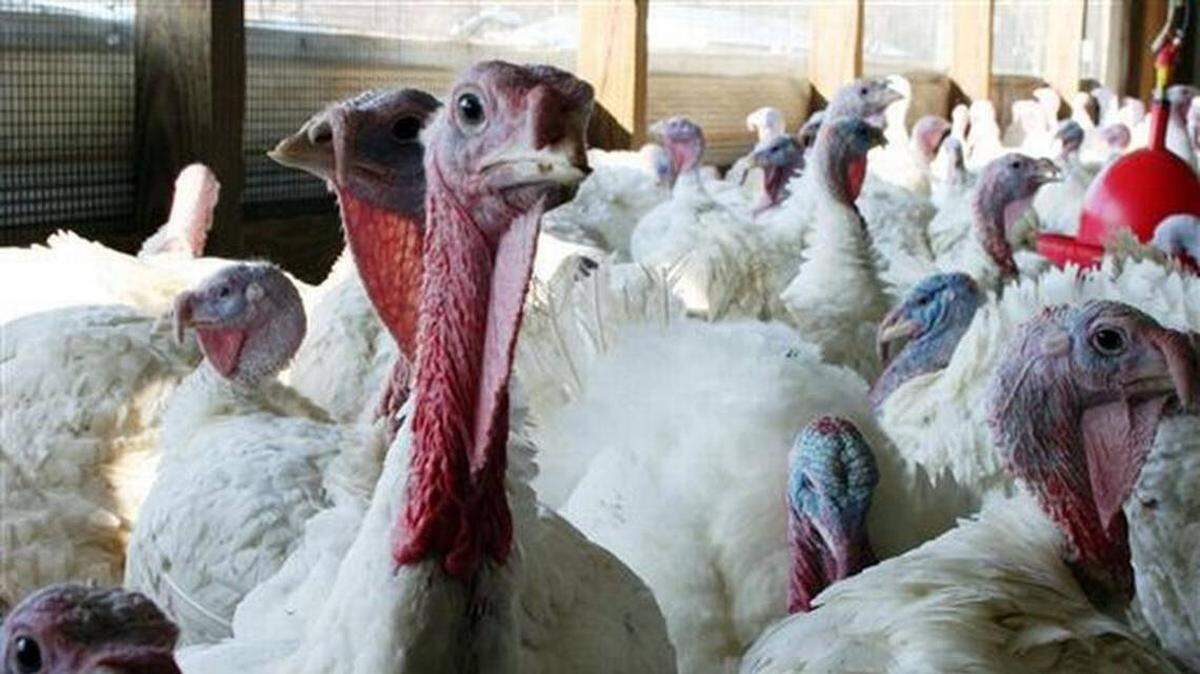
In N.C., two turkeys were infected somewhere in Johnston County. As a result, a flock of more than 30,000 turkeys was destroyed to prevent spread. That was at one facility; eight more have been impacted since.
Thanks to General Statute 106-24.1, and other ag-gag laws, we don’t know exactly where infections are happening in our state or what threats they may pose to communities. Most critically, we don’t know on a case-by-case basis how the birds are being culled (euthanized) or what’s done with the remains.
If the animals aren’t disposed of properly viral pathogens could enter our streams, creeks and rivers by way of runoff during the next rainstorm. We need to know where poultry operations are located, who is accountable, when and how outbreaks happen, and that disposal methods don’t pose a threat to waterways.
We need to know how the outbreak is being handled on a farm-by-farm basis where birds are destroyed. These sites, and the waterways and communities that surround them, need to be monitored and tested for contamination.
That’s why we need a Poultry Transparency Bill and Poultry Study Bill (already introduced in the legislature), to take first steps in disclosing the count and locations of industrial poultry facilities and study environmental and health impacts to prevent further harm.
These bills might not solve everything, but it’s a vital start. The public has a right to know the facts and it’s high time the state worked to ensure we get them.
Gloria Reuben
Samantha Krop
Dated marine laws hinder NC ports
The writer is a Cato Institute adjunct scholar.
North Carolina recently set aside $283 million to dredge the Port of Wilmington to accommodate larger ships moving through the expanded Panama Canal. More money was allocated to the project than should have been necessary, not because of overspending in Raleigh, but because of anti-competitive laws in Washington.
The Foreign Dredge Act of 1906 requires that all dredging in U.S. waters be performed by ships that are U.S.-built and owned, with a U.S. crew. It prevents bidding on projects by experienced, globally-competitive dredging companies based in friendly countries like the Netherlands. As a result, U.S. ports pay far more to dredge than ports in Europe and elsewhere. A 2019 Congressional Research Service report found that due to the ban on outside competition the domestic market is served by only four U.S. companies that employ smaller, older and less efficient dredges than European counterparts. U.S. Army Corps of Engineers data shows that more than a third of its projects have only one bidder.
Once dredged, U.S. ports such as Wilmington are further limited by the 1920’s Jones Act, which requires that any cargo shipped between U.S. ports must be carried on a ship that is U.S.-built, flagged, owned and crewed. Like the 1906 Dredge Act, this confines intercoastal shipping to a limited fleet of aging ships, driving up the cost of moving goods within U.S. coastal waters.
The Jones Act has made shipping goods by water less competitive with trucking and rail. While the tonnage of cargo carried domestically by rail and truck has risen in recent decades, the U.S. DOT says shipping tonnage is down 45% compared to the 1970s. The exorbitant cost of coastal shipping adds to congestion on U.S. highways.
If the Jones Act restrictions were relaxed, say by allowing the use of foreign-built ships for intercoastal shipping, Wilmington and other ports could serve as hubs and feeders to distribute incoming cargo from abroad to other ports along the coast.
Daniel Griswold