
Yes, it’s hard to watch ‘quaint Carrboro’ change, but here’s why it should
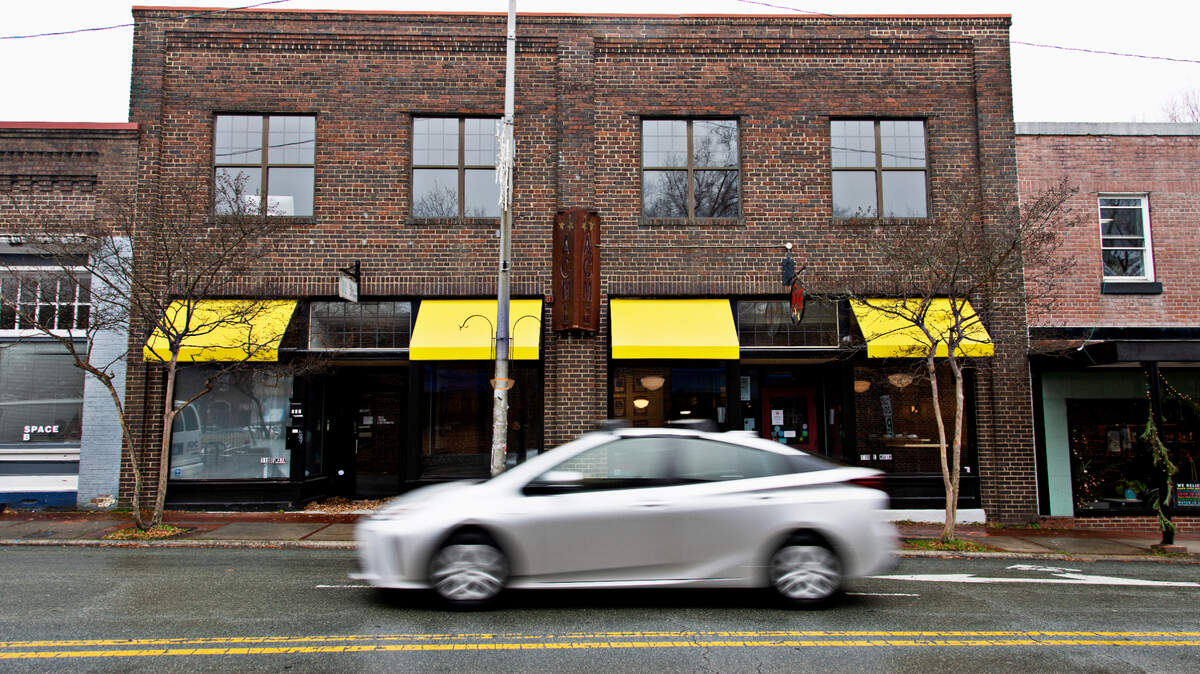
In the past, it would have been easy for the person taking your order at Carrburritos, handing you a beer at Cat’s Cradle, or teaching your second grader at McDougal Elementary to live close to their work and grow in Carrboro with their family.
But because of the lack of affordable housing, that has changed. Since 2008, the number of Carrboro workers who commute into Carrboro (pop. 22,254) from outside of Orange County has risen by over 1,000 people. And young workers (29 and younger) driving into Orange County for work are at an all-time high, up over 14.5% from 2016.
Some of my coworkers at a large research university down the road drive more than an hour to get to work.
For Carrboro to retain what makes it so unique, we have to make some hard choices.
We can decide we want growth — but not here, and not that type, and not if it means cutting down those trees. Those types of objections slow down or stop development projects altogether.
Or, we can choose to actively welcome people into our community, and do so in a way that is better for both the environment and people’s lives.
City planners and other experts in environmentally-responsible growth are clear about the best way to do that. We must change our zoning rules to allow for more density because low-density developments with single family homes produce a lot more greenhouse gas emissions than higher-density alternatives. We must add housing — duplexes, triplexes, condos — along transit corridors so that people can bike, bus, and walk to work instead of commuting an hour by car. We must build housing that is accessible and affordable for artists and teachers and town employees. And we also need to change parking minimums and actively encourage more people to not use cars when going downtown.
These changes require a shift in perspective. We need to think about the forest (e.g., the Triangle region as a whole) instead of the trees (the few blocks around our own homes). Clear-cutting communities an hour away so people can commute here via car is terrible for the environment, much more so than building dense housing on transportation lines here. Put another way, we cannot simply offload our housing shortage onto other communities.
If you’ve lived in Carrboro a long time, these changes will likely feel really hard and different — and you might find yourself rejecting them. You may want to slow the pace of change down, or stop it altogether. You might find yourself saying, “It’s not that I don’t want change, but I don’t want this change to happen in my neighborhood or with this specific patch of hardwood trees.”
I see a growing nostalgia for “quaint Carrboro.” I see residents decrying new developments and projects that would add affordable housing. Last April, a resident told the Carrboro Town Council that building the 203 Project would “change the character of the town.”
I hear that fear about change. It’s hard to watch a place you love become different, particularly if you’ve helped make Carrboro the awesome little town it is.
But what makes Carrboro distinct is its people — not street widths or building heights. The real danger to the character of our town is losing our focus on the whole community. We must continue working to be a place for all people — both current and future residents, both renters and homeowners, people who work here and people who live here — and not be afraid to build a better future.