
Vaping: Why we need more than flavor bans and lawsuits
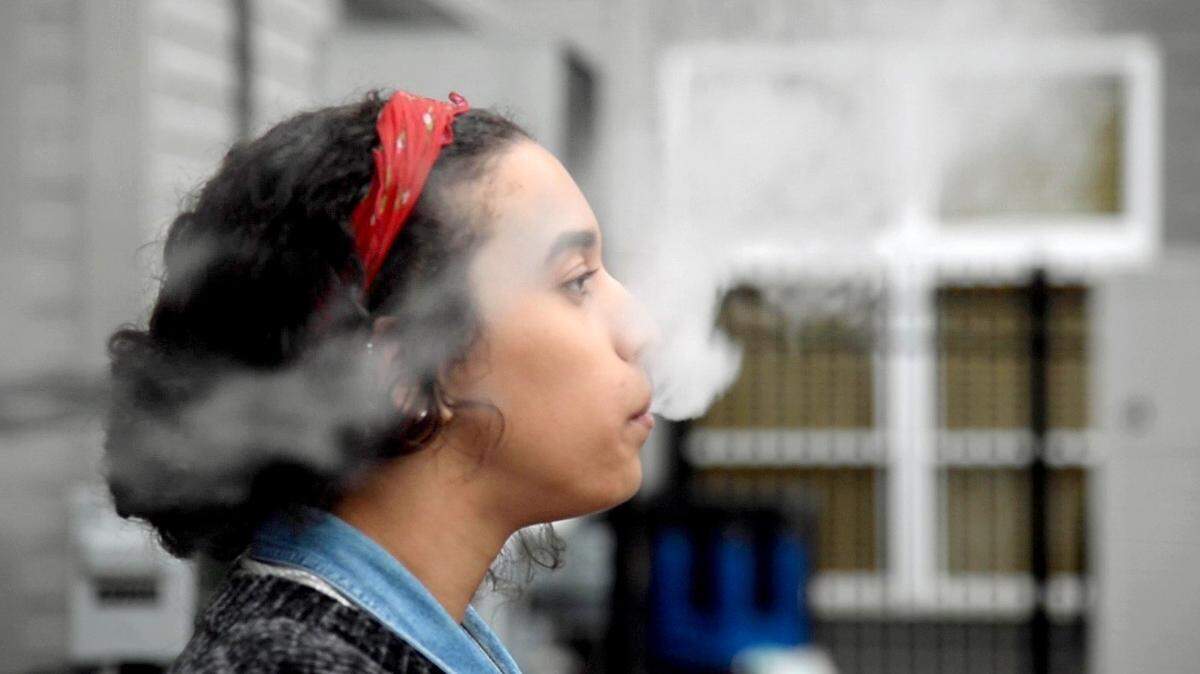
It’s 10 am. I’m sitting in the back of a large lecture room in UNC-Chapel Hill’s Hamilton Hall surrounded by 150 other freshmen as the professor fiddles with his notes to get ready to cover the week’s topic. Throughout the lecture, I can’t help but see students bend over to discreetly exhale a thick, white cloud of tropical smelling vapor.
It doesn’t seem to me like the actions of a high school rebel trying to impress peers, but instead seems like a shameful addiction the students feel the need to hide.
My generation is a reflection of the results of policy inaction surrounding the vaping industry. We were drawn in by the intentional marketing of these sleek vaping devices spewing clouds that smelled reminiscent of childhood candies and have since been plagued with the shaky hands and anxious minds of nicotine withdrawal.
Although there have been great strides in holding these large companies accountable through recent lawsuits against companies such as e-cigarette giant JUUL, implementation of federal flavor bans, and expanding public health education campaigns, there are holes in legislation that make me worry about the next generation.
Due to millions spent in lobbying by the vaping industry and fears of temporary economic losses, the 2020 flavor ban failed to be comprehensive, shifting the market over to disposable e-cigarettes that are exempt from this legislation.
Dr. Michael Blaha, director of clinical research for the Johns Hopkins Ciccarone Center for the Prevention of Cardiovascular Disease, put it best when he said: “For a lot of young people, it might be that the only reason they vape or use e-cigarettes is because they like the flavors.”
According to the 2020 National Youth Tobacco Survey, companies that sell disposable vapes, such as Hyde and Puffbar, have seen worrisome thousand percent increases in usage among high school-aged youth. With parents often unable to identify these products, which resemble USB drives, we need more comprehensive legislation to prevent another generation of smokers.
A simple way of addressing the continuation of the youth vaping epidemic would be to create a more expansive flavor ban. These benefits have been shown in studies done on multiple localities in which flavor bans have been implemented such as Lowell, Massachusetts, showing a decrease in youth usage by up to 70%.
There are unintended side effects of these regulations as well. According to a study done by the Yale School of Public health, with a flavor ban bringing increased regulation of e-cigarettes, adult nicotine users tend to shift their usage towards traditional combustible cigarettes, contributing to a habit that causes illnesses that kill hundreds of thousands each year and substantial strain on healthcare.
A comprehensive flavor ban is desperately needed to curb youth appeal for vaping, but we need to disincentivize traditional cigarettes from becoming a user’s substitute. Through an increase in North Carolina’s cigarette excise tax, which is almost the lowest in the nation, we could help to prevent cigarettes from becoming a cheap alternative under the conditions of new vaping regulations.
Despite the cloudiness and deception surrounding the vaping industry, the need for more responsive regulation to protect the next generation is more than clear.