
Local governments alone can’t solve the housing crisis. NC must step up
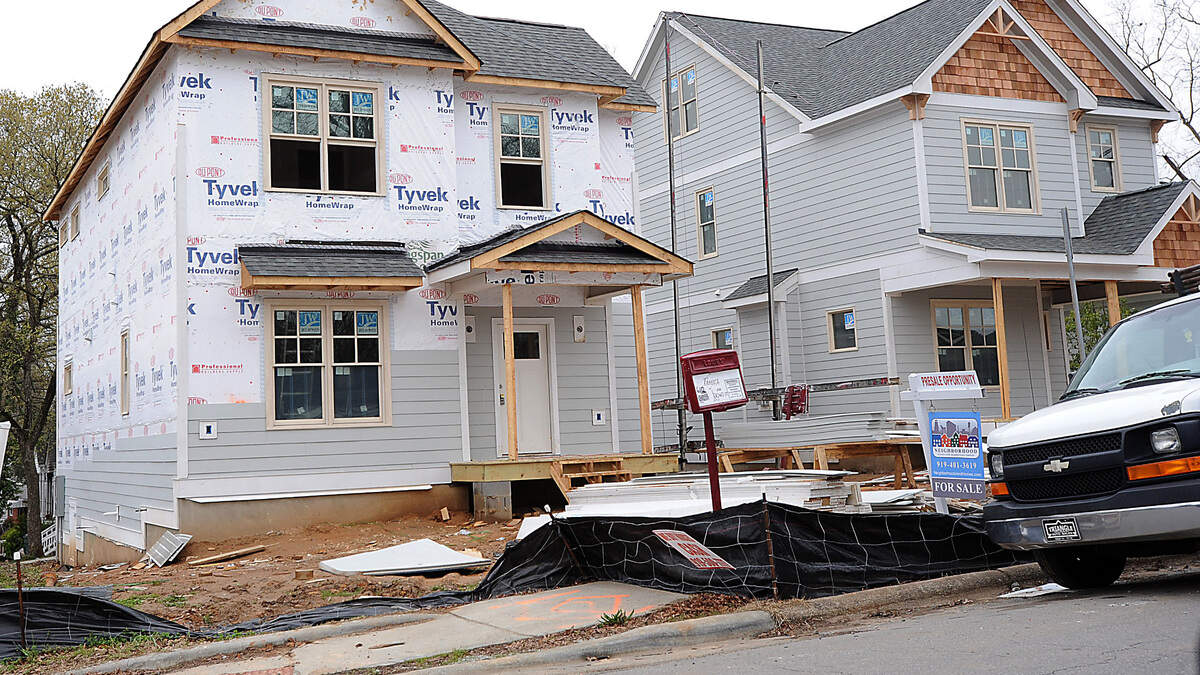
Charlotte and the Triangle have experienced some of the fastest growth in the country in recent years, but it hasn’t been without consequences.
Rent is getting expensive and housing prices have soared, exacerbating an already dire housing crisis. In Charlotte, despite nearly $219 million invested in affordable housing over the past 20 years, the city is still tens of thousands of units short. Only 1% of apartments in Mecklenburg County rent for less than $1,000, recent data showed.
The pressure is on local governments to spark the development of affordable housing through public funding and policy. Housing dominates the conversation in municipal elections, as both developers and residents jockey to have their voices heard.
But despite the best efforts of local officials, affordable housing supply is nowhere close to meeting demand, and rent increases are pricing even more residents out. The current economic situation has only made matters worse, and many U.S. cities are starting to get more aggressive in their approach.
In North Carolina, however, city and county officials are limited in just how aggressive they can get on housing policy. Municipalities only have as much authority as the state legislature has granted them. It’s why municipalities can’t enforce their own minimum wages, and why they couldn’t pass nondiscrimination ordinances until late 2020.
Rent control is forbidden in North Carolina, thanks to a preemptive ban enacted by the state legislature in the 1980s. Our state is not alone in this — 36 states prohibit rent control — but as landlords continue to implement rent hikes, many of them are starting to reconsider.
Another popular tool is mandatory inclusionary zoning, which requires developers to include a certain proportion of affordable units in new construction. But the ability of local governments to enact mandatory inclusionary zoning policies for rental housing is a legal gray area in North Carolina, due to the state’s rent control ban, and could result in legal challenges.
Nor can local governments assess impact fees on new construction to support infrastructure and affordable housing. Impact fees have to be approved by the state legislature, which hasn’t handed down that permission in decades.
Much like local governments, the state, too, provides public funding for affordable housing through the North Carolina Housing Trust Fund, which is administered by the North Carolina Housing Finance Agency. The agency was once described by former State Budget Director Lee Roberts as “one of the greatest returns on investment of any state money spent.”
Yet the state’s investment in the Housing Trust Fund is much lower than it used to be — funding decreased nearly 68% between the 2007 and 2015 fiscal years, and has seen only a slight increase in the years since.
Democrats in the General Assembly have introduced legislation to address these issues. Most recently, Senate Bill 386 proposed an increase in allocations to the Housing Trust Fund. Senate Bill 426 would explicitly allow local governments to enact inclusionary zoning ordinances, and Senate Bill 437 would allow them to impose impact fees. None of the bills gained traction in the Republican-controlled legislature.
Affordable housing is not just a local responsibility. Development decisions, of course, are best made at the local level, but local governments can’t do it alone, and they certainly can’t do it with a limited number of tools at their disposal.
In its 2040 Comprehensive Plan, the city of Charlotte mentioned a desire to “lead the charge to pass enabling legislation for mandatory inclusionary zoning.” The city has also, in recent years, discussed presenting an impact fee proposal to the state legislature. But this will take significant persuading of Republican lawmakers, who have long been wary of both spending public money and giving local government more power.
That might be unlikely to happen. But the pressure should also be on the state, not just local governments, to provide solutions to North Carolina’s housing crisis.
BEHIND THE STORY
MOREWhat is the Editorial Board?
The Charlotte Observer and Raleigh News & Observer editorial boards combined in 2019 to provide fuller and more diverse North Carolina opinion content to our readers. The editorial board operates independently from the newsrooms in Charlotte and Raleigh and does not influence the work of the reporting and editing staffs. The combined board is led by N.C. Opinion Editor Peter St. Onge, who is joined in Raleigh by deputy Opinion editor Ned Barnett and in Charlotte by deputy Opinion editor Paige Masten. Board members also include Observer editor Rana Cash and News & Observer editor Nicole Stockdale. For questions about the board or our editorials, email pstonge@charlotteobserver.com.
This story was originally published May 6, 2022 at 6:00 AM with the headline "Local governments alone can’t solve the housing crisis. NC must step up."