
NC’s Outer Banks are hazardous for homes. It’s about to get worse.
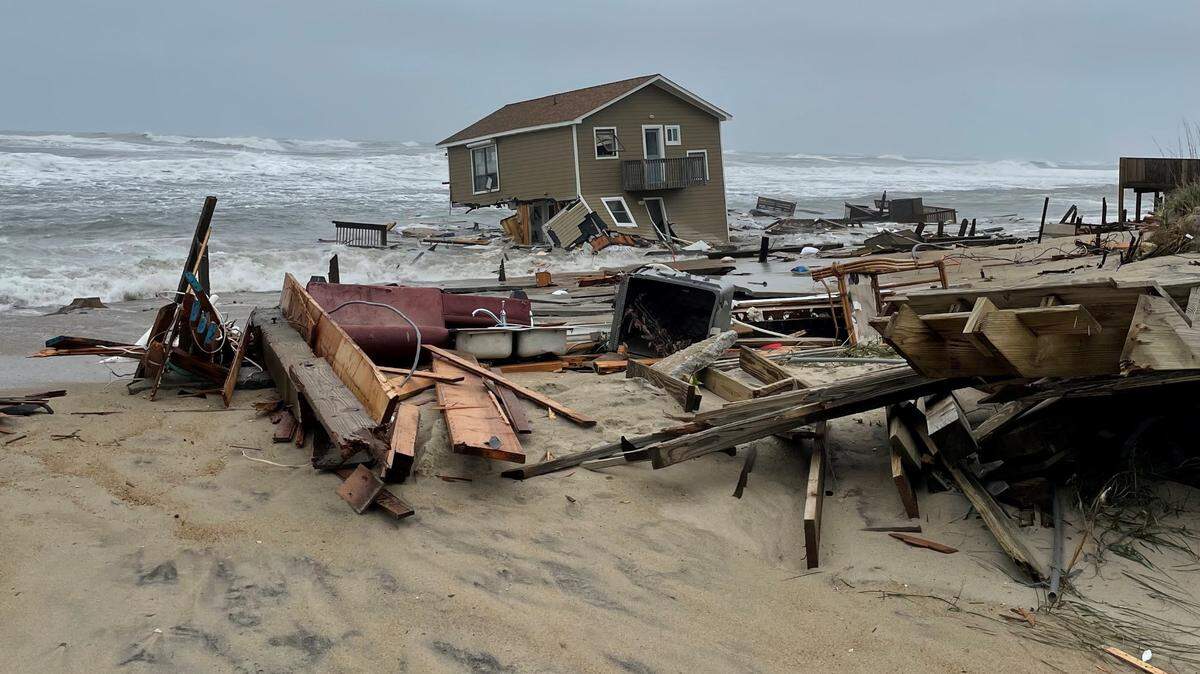
A few days ago, the Cape Hatteras National Seashore announced that a couple more houses collapsed and fell in the ocean near Rodanthe during a moderate storm on the Outer Banks of our state.
The unusual aspect of this occurrence was that one of the houses was on high stilts. Often we hear that if you must live near the beach build on stilts and you are not likely to be affected by waves and overwash currents. So much for that generalization.
This latest event comes after the Nov. 7, 2021 Nor’easter that halted traffic on N.C. Highway 12 for a couple of days due to flooding and overwash. In past big Nor’easters or hurricanes, highway 12 is quickly blocked, sometimes destroyed in places, and escape from the storm becomes impossible.
These events give us a taste of the future, but we ain’t seen nothin’ yet.
As everyone knows, climate change is producing warmer seas and the warmer water will produce larger and more frequent storms, all this occurring as the sea level is rising. A higher sea, of course, will increase storm damage.
But the Outer Banks have an additional problem that no other shoreline reach on the East Coast has. There are two very large bodies of water behind the Banks — the Pamlico and Albermarle sounds — and this water, under the right storm conditions, will come crashing across the banks from behind.
This happened in the 1962 Ash Wednesday storm when water from Pamlico Sound rushed through Oregon Inlet, widening it from one half-mile to 2 miles in 12 hours. The widening process blew out a 1½ miles of (luckily) undeveloped barrier island.
By any objective view, the Outer Banks of North Carolina are a hazardous place to live, the most hazardous place, taken as a whole, on the entire East Coast, and the coming climate events from the ongoing climate change will make it worse.
Escape from the Banks from an impending storm is hazardous in itself. It’s a two-lane highway with sandy shoulders, and of course people will have flat tires, fender benders, or run out of gas, causing tie-ups.
I would urge people looking to buy on the Outer Banks to think deeply about what they are about to do. Think about your safety and that of your family. Don’t be swayed by the wonders of ocean living on a beautiful summer day.
This story was originally published May 12, 2022 at 2:59 PM with the headline "NC’s Outer Banks are hazardous for homes. It’s about to get worse.."