
NC scientist: It’s time to stop waiting for more NC beach homes to collapse
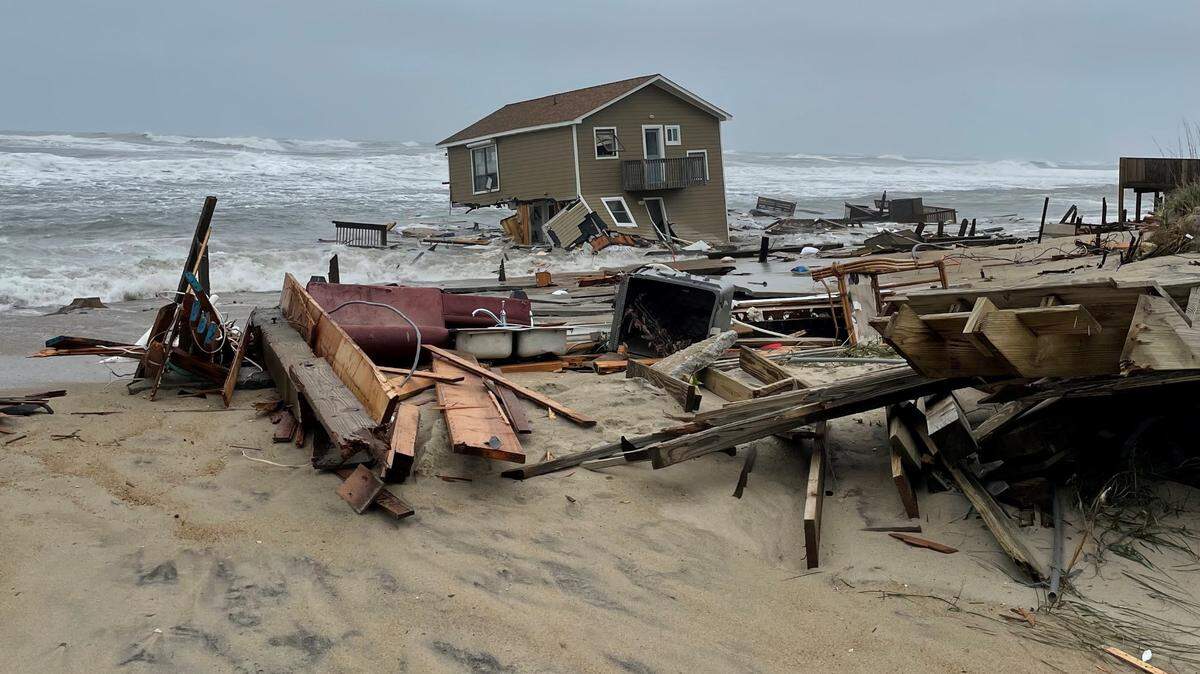
Several beach houses dropped into the ocean at Rodanthe on North Carolina’s Outer Banks last month. The spectacle made for a stunning reminder of the rapid rate of coastal change facing American shorelines as sea levels rise.
The incident was widely covered in the national media and even made it onto TikTok (or so my son tells me). Many articles asked, “What should we be doing to protect these homes?”
It seems like a reasonable question, but a better one might be “should we protect these homes at all, and whose responsibility is it?”
It’s important to understand that oceanfront properties in North Carolina are almost entirely investment properties. Most are not primary residences. More than 95% of the tax bills are mailed outside of Dare County, where Rodanthe is located, and most of those bills leave the state.
I point this out not to diminish the value of any loss, but to assure you no one is being left homeless.
Investment risks are typically born by the investor. Purchasing oceanfront homes these days is a very risky investment. Shorelines in this part of the Outer Banks are receding at rates up to 12 feet per year! This is nothing new. It has been happening since before Hatteras Island was developed.
It also isn’t necessarily a problem for the beach. If there were no buildings or roads in the way, the beach would simply change location without disappearing. But, along most U.S. shorelines today, we are in the way. Anyone who buys an oceanfront property needs to understand this risk.
Even more important though, every real estate agent who is involved in a transaction as a buyer’s or seller’s agent should have a duty to investigate the vulnerability of these investment properties and inform the buyers.
You may be shocked to learn that some of these properties, and others nearby, have sold within the last year. How could a buyer’s agent sanction the sale of such vulnerable properties, unless at pennies on the dollar? It’s commonplace to have a home inspection before purchasing a property to ensure that the electric and plumbing systems are safe and functioning. It sure seems like we need the same level of care and concern with properties built in coastal areas vulnerable to flooding and shoreline change.
Disclosure laws for such things have occasionally popped up in the legislature, but usually get laughed out the door. It would be ideal if realty estate professionals took it upon themselves to develop a system to openly inform all buyers of the hazards. That’s how true open markets are supposed to work — everyone has all the information they need to determine the real value of an investment.
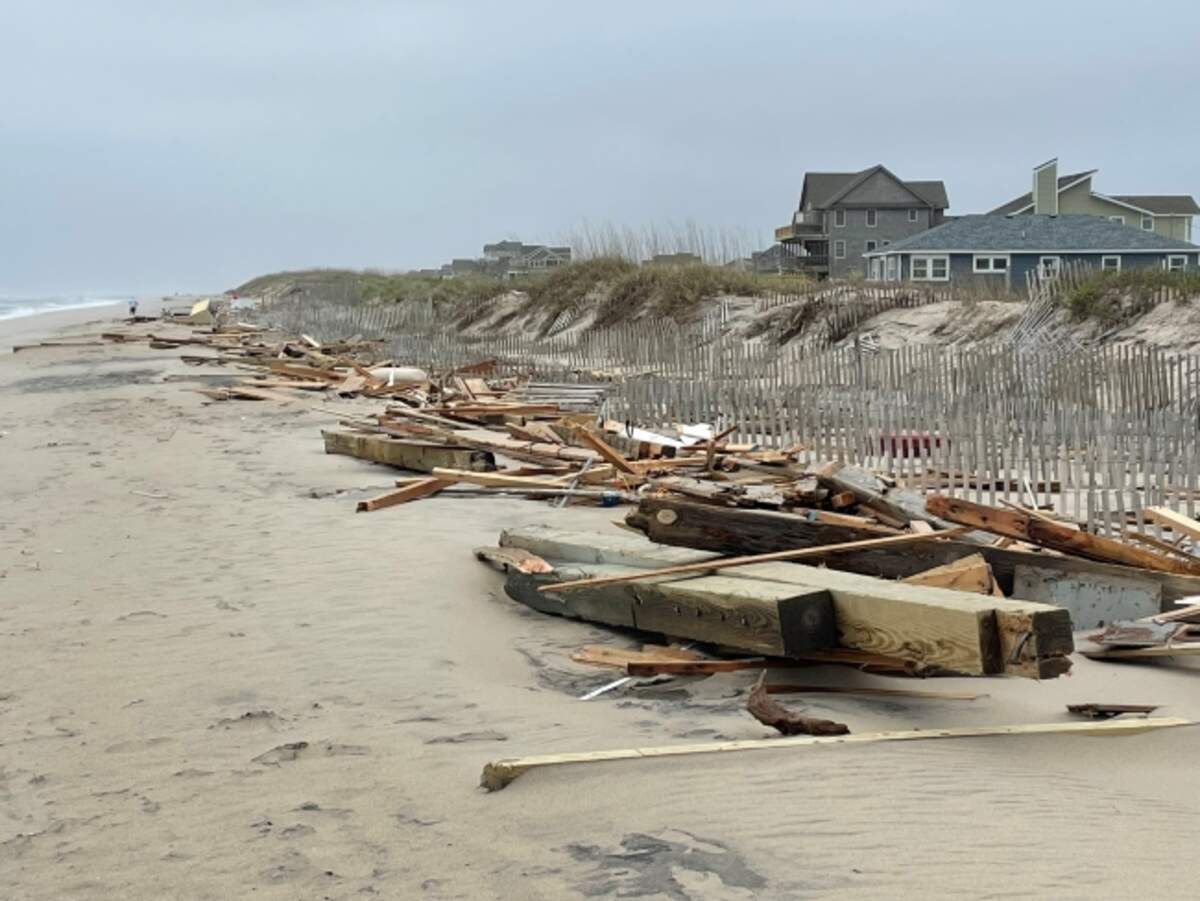
There is one more point to consider about the properties in Rodanthe. There are homes remaining that will also certainly wind up on the beach and in the sea. That beach, at least up to the high water line, is a National Park. It’s a part of Cape Hatteras National Seashore. As the shoreline naturally retreats, the houses actually enter the national park, and when the houses collapse they break into hundreds of pieces: lumber, globs of insulation, wires, appliances, everything. This debris spread up to 14 miles down the beach, all within the national park, creating a public safety nightmare and impacting everyone’s beach-going experience.
It may be time for the National Park Service to consider filing suit to have these structures removed before they collapse — crazy, I know. This would only happen when the homes are on National Park Service-managed land. Property owners won’t like this idea (neither will the NPS), because they can only collect on flood insurance after the home is actually destroyed — a problem that warrants a fix. That should not stop the NPS from acting in the meantime.
Gasp! You say. He’s recommending retreat! That’s a non-starter, I’m told, on the Outer Banks. My position is that we’re already retreating. The question for all of us is this: Should that retreat be targeted and managed, or completely unmanaged? It won’t be as exciting on TikTok, but I recommend the former.
This story was originally published May 31, 2022 at 4:36 PM with the headline "NC scientist: It’s time to stop waiting for more NC beach homes to collapse."