
COVID emptied NC’s busiest downtowns. This is how they come back, 2 experts say
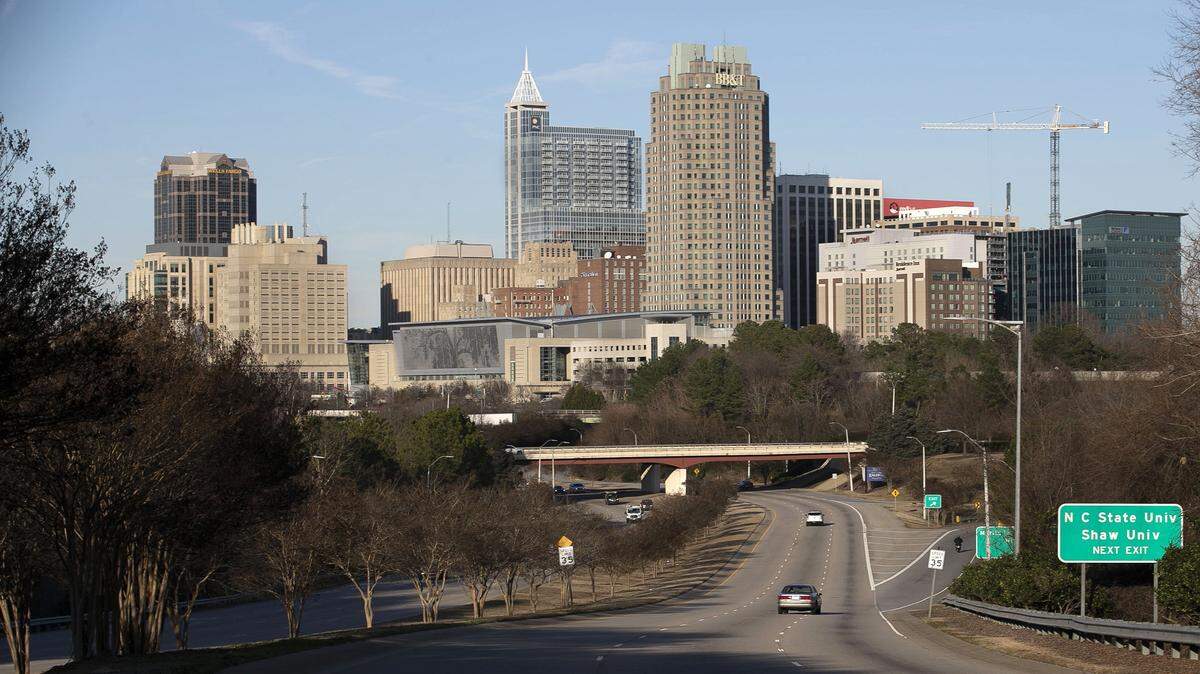
The pandemic hit downtown Raleigh and Charlotte like a neutron bomb. The buildings stood unharmed, but the people were all gone.
Now, slowly, the pandemic is loosening its grip and people are returning to those downtowns. But are they returning to the same places? Or has the central core of cities defined by the concentration of office towers been rendered obsolete by what may be the lasting legacy of COVID – a fundamental shift in where and how office workers work?
Downtown can still attract people for festivals, dining, sporting events and other entertainment.. But will they still need eight floors of parking and 25 floors of office space when the people who used to work in such buildings have become accustomed to skipping the morning commute and now attend meetings over a computer at home?
I put these questions to two people, one who knows about life of downtown business districts and another who studies the future of office work: Michael Smith, president of Charlotte Center City Partners and Tracy Loh, a fellow at the Brookings Institution who studies commercial real estate.
Their answers were essentially the same: Downtowns are coming back, but they will be different.
Smith is encouraged by data showing how often people swipe passes to enter office buildings. The numbers are 44 percent of what they were before the pandemic hit in early 2020.
“We’re pleased with that,” he said. “We’re climbing out of utter vacancy during the height of the pandemic.”
Yet Smith said recovery won’t be as simple as: It’s over, come back.
“We’re not going to be returning to 2019,” he said. “We’ve had an incredible shaping experience that is going to inform what downtowns become.”
Driving that evolution will be lasting changes in the 9-to-5, five-day ritual of office work. “We’re hearing a lot about three-two work weeks,” Smith said, meaning three days in the office and two days working remotely.
Still, he sees in-person work as a big part of any new model of downtown work patterns.
“Companies do their best work when they bring people together and take advantage of the creative friction and develop the next generation of talents,” he said.
Loh said the shift to working from home has had more profound and enduring effects than expected.
“Almost everyone underestimated remote work,” she said. “Most people were unfamiliar with it and had never done it before.”
Surprisingly, studies show people working from home were as or more productive than when they reported to the office.
“One reason why productivity is up is people took the time they were spending commuting and they are spending a significant part of it working,” Loh said.
But drawbacks to remote work are also starting to surface. People have more flexibility – they can take time off to go to a child’s 4 p.m. soccer game – but they are also still working at 8 p.m.
Remote connections also encourage more and longer meetings. People working at home, Loh said, are wondering: “Could this 30-minute Teams meeting have been a phone call or a 30-second conversation in the hallway?”
“The long-term equilibrium for remote work is not clear,” she said. “It looks like a fair share of offices will adopt a hybrid culture.”
But it won’t be as simple as everyone shifting to a three-two work week, Loh said. About half of workers need to be in the office to use special equipment or lab facilities they don’t have at home. The other half will have flexible schedules when it comes to going into the office.
“There will be multiple intersecting trends,” Loh said. “Strong job growth will lead to new and increased demand for office space, but there will be more workplaces adopting a hybrid schedule.”
The result, she said, will be a period of “musical chairs” in which companies renew their downtown leases while giving up space. More workers will share space and parking spots on an alternating basis.
Workers will be coming back to not only an altered downtown, but to altered office environments. The office will be more than a room with a desk. It will be designed to foster collaboration and there will be more flexibility in dress codes and office hours.
“Elements of the office have entered the home,” she said. “Now we will see elements of the home enter the office.”
For all that, going downtown will remain central to office work.
“Downtowns are definitely going to have to change,” Loh said, “but the reason we have cities is not going to disappear overnight.”
This story was originally published June 27, 2022 at 9:31 AM.