
New NC teacher license and pay plan is a promising idea that’s poorly timed
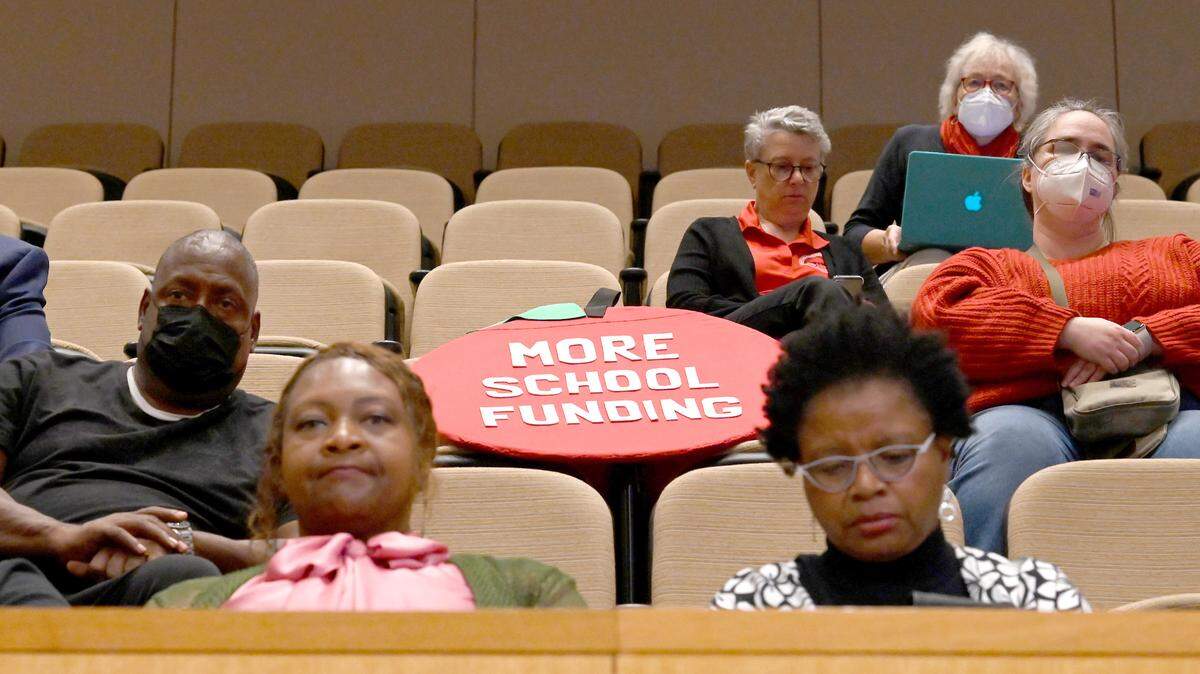
The teacher shortage in North Carolina is a problem, but that doesn’t mean state leaders can’t make it worse.
That’s just what they’re doing by pushing a plan to overhaul teacher compensation and licensing at a time when strong evidence that teachers are quitting in high numbers.
The plan, known as the North Carolina Pathways to Teaching Professionals, would stop using seniority as a basis for pay and instead pay teachers based on their performance, as based on such factors as test scores, student surveys and principal and peer evaluations. The plan would also make it easier to become a teacher without taking the traditional path through university teacher-preparation programs. The plan’s backers think the change would attract and retain more teachers.
Adjusting how teachers are evaluated to increase how much they are paid may be good idea, but pushing such a transition now is not.
Teachers are seriously stressed. Their work was disrupted by pandemic-related school closings and the switch to virtual learning. They’re burned out from taking on more to cover for staff shortages. Lawmakers and parents are accusing them of indoctrinating students about race and gender. And, most of all, they’re losing ground to inflation and falling further behind what they could earn in other fields.
The Economic Policy Institute reported last week that the national “teacher wage penalty” – the gap between average teacher pay and the pay they could earn in the private sector – is greater than 20 percent in 28 states. In North Carolina the “wage penalty” is 24.5 percent.
Meanwhile, North Carolina’s average teacher pay of $54,863 in 2021 ranked 34th out of 50 states and the District of Columbia, according to the National Education Association’s (NEA) annual teacher salary report. The NEA said national average teacher salary is $66,397
Between high stress and low pay, something has to give. North Carolina’s Teacher Working Conditions Survey indicates that the number of teachers planning to leave teaching is well above the usual rate, a loss that is becoming clear as the school year opens.
Catherine Truitt, state superintendent of public instruction, and Eric Davis, chair of the State Board of Education, think the best response to the teacher crisis is to overhaul the pay structure and change teacher licensing to allow more people to enter teaching through other entry points, such as apprentice positions.
“Along with a competitive compensation system, one of the most significant systemic changes that we must make to correct this downward spiral is in our licensure system,” Davis said at a recent board meeting. “Licensure is the key leverage point because it impacts every aspect of their career – their preparation, development, advancement, reward, and compensation.”
That’s true. It may also be the reason why North Carolina shouldn’t do it now. With teachers quitting over low pay and stress, it doesn’t seem the time to propose a change that “impacts every aspect of their career.”
Plus, there may be much angst about nothing. There’s no assurance that the Republican-led General Assembly, which has done so much to aggravate the teacher shortage, will be willing to meet the cost of paying teachers more in return for changing how teachers qualify for pay increases.
A decade of state tax cuts have cost billions of dollars in lost revenue – mostly to the benefit of large corporations and affluent taxpayers. But even with that loss, the state still has a $6 billion surplus.
The answer to making teaching an appealing career is simpler than recreating how they are paid and opening the teacher ranks to people working in other fields. All it would take is making college free for students who want to teach, adding incentives for those who work in poor and rural counties, providing adequate support staff and boosting teacher pay – a lot. After North Carolina has plenty of teachers, it can focus on better ways to evaluate and reward their work.