
The West is looking at Iran’s deadly hijab protests the wrong way
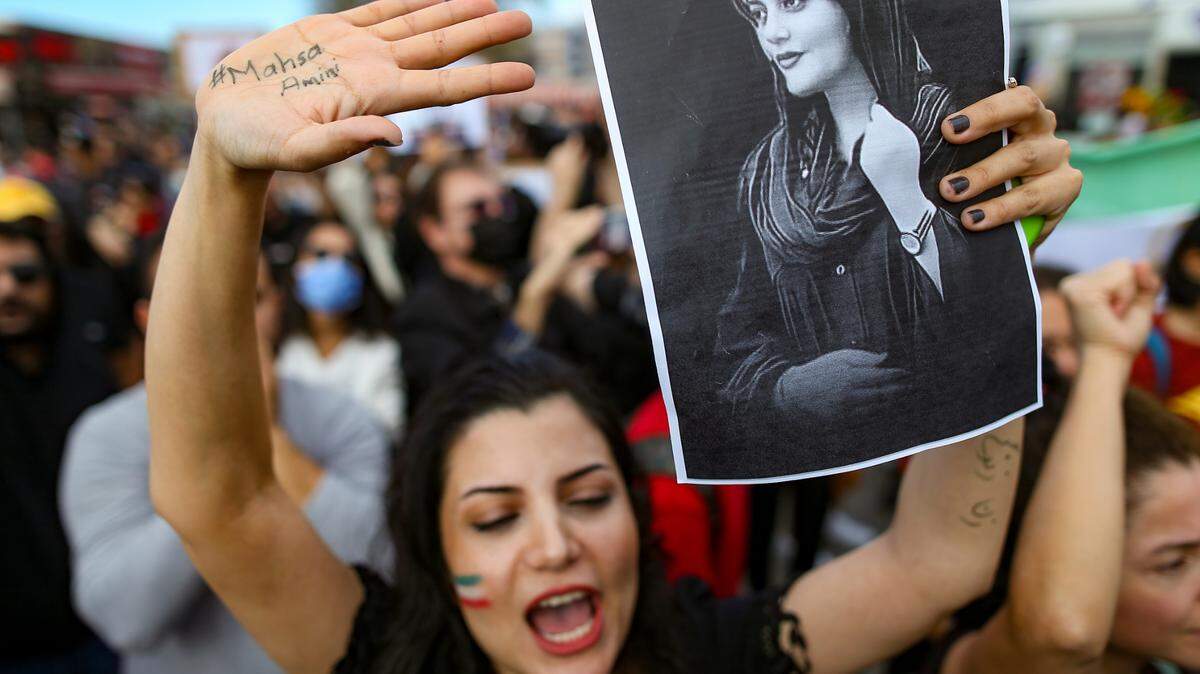
Since the tragic death of 22-year-old Mahsa Amini last month, two other young women in Iran have been killed by Iran’s security police for joining protests and violating the country’s dress code. Nika Shakarami and Sarina Esmailzadeh were only 16.
As a professor of religion at Queens University of Charlotte who has spent a decade researching and teaching on women and gender in Islam, I find myself fielding familiar questions from students, colleagues and at interfaith events about this tragic incident of gender violence. Many of us in the West are quick to read such stories through a cultural-religious lens. It becomes for us yet another example of the way a “misogynist” Islam or patriarchal Muslim world oppresses women.
Cases like that of Mahsa Amini need to be accurately understood through the lens of contemporary politics, history and sociology. To understand why hijab has become so politicized in Iran one needs to examine the country’s recent history and politics, not religious texts.
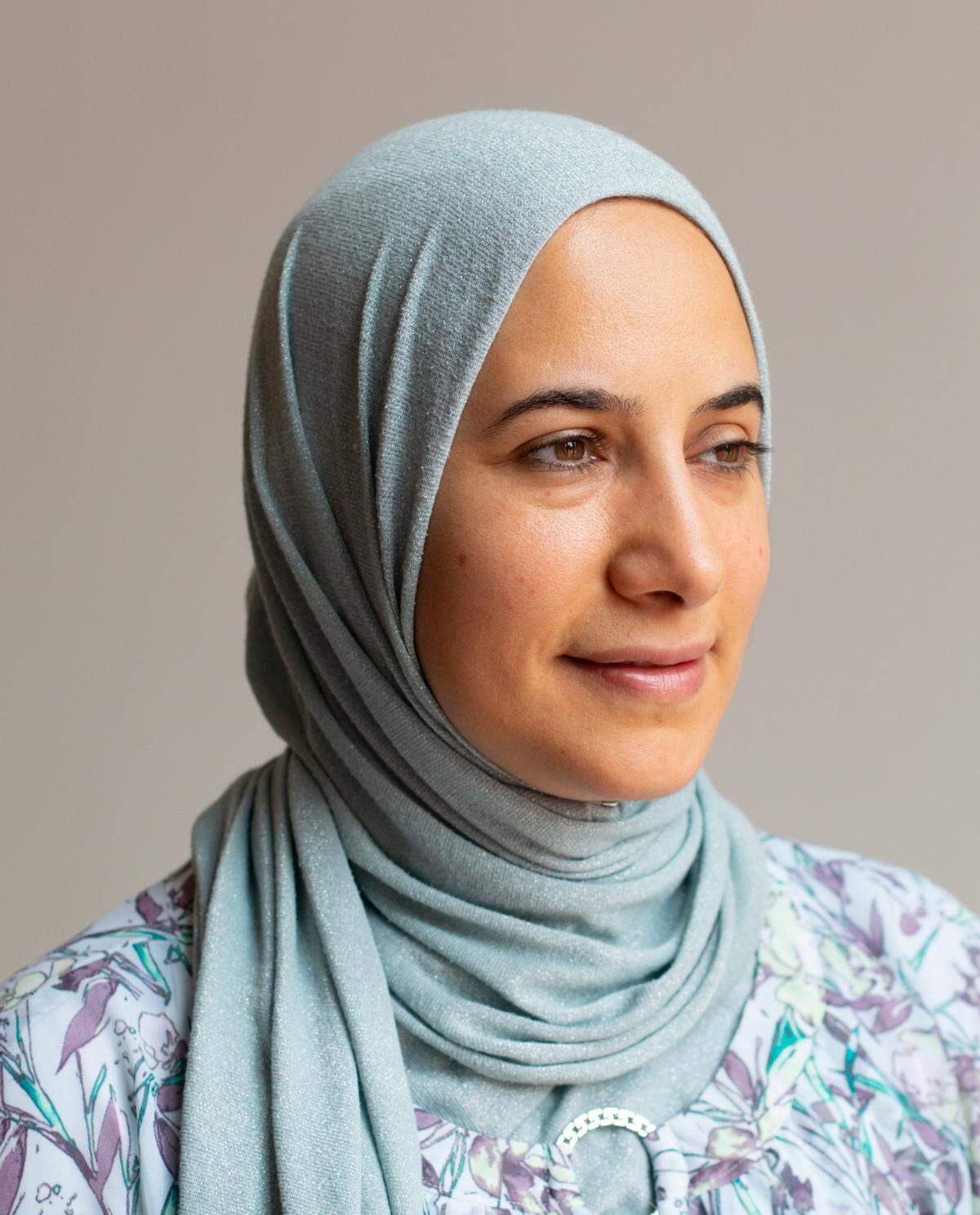
It was less than a century ago that the Iranian government banned the headscarf, known as hijab. In 1936, Reza Shah Pahlavi, declared a ban on hijab in an effort to promote European attire. Iranian women who failed to comply faced punishments such as imprisonment. Ironically these are the same punishments women face today for not observing the hijab. When Ayatollah Khomeini came to power in 1979, enforcement of hijab became a political statement of resistance to the previous Shah’s western-oriented reform. In both cases, women are denied agency to choose how they dress in public.
When authoritarian regimes and extremist movements, such as the Taliban, ISIS, or Iran’s current regime, weaponize religion and religious symbols like the hijab, it reinforces the stereotype that women have no choice in the matter. By forcing women to observe this religious practice, they have undermined its spiritual value for millions of Muslim women and denied them their God-given agency to choose whether they observe the hijab or not. In fact, based on many ethnographic studies, the majority of women who choose to cover their hair do so out of a spiritual commitment to God.
In correcting the narrative, I make four points. First, the Qur’an, which Muslims regard as the words of God verbatim, explicitly states that religion can never be forced upon people.
The Qur’anic verses that ordain the headscarf for Muslim women start out by commanding men to lower their gaze and observe modesty. These verses undermine the myth that women are selectively required to be modest, while men are free to gaze and lust after women as they please.
In addition, a recurring theme in the Quran is that we are responsible only for our actions, not for the actions of others. Whether or not men find women tempting is not women’s responsibility.
Lastly, while our media disproportionately covers stories of Muslim women’s dress (hijab) with themes of coercion, force or violence, it is important to recognize that far more countries currently outlaw the hijab than countries that require it. Several countries currently ban the hijab at universities and schools, such as France, Bosnia, Kazakhstan and parts of India. These bans have been upheld by courts and legislative bodies, stripping Muslim girls and college students of their religious freedom.
The fixation of countries with either banning the headscarf or enforcing it is an outgrowth of a particular historical encounter with modernity in the Muslim world, by which modernization was measured by a country’s ability to westernize. The persistent cultural and religious framing of Muslim women’s stories is not only wrong, it reinforces the notion that Muslim women are oppressed by their culture and religion.
The case of Amini has much more to do with Iran’s contemporary politics and recent history than with religion. To accurately understand gender violence in countries like Iran, we must stop laying all problems on the doormat of Islam and recognize how modern nation-states’ recent histories shape the present.
This story was originally published October 18, 2022 at 11:53 AM with the headline "The West is looking at Iran’s deadly hijab protests the wrong way."