
A bipartisan wish list: 3 things NC should do to get more people to vote
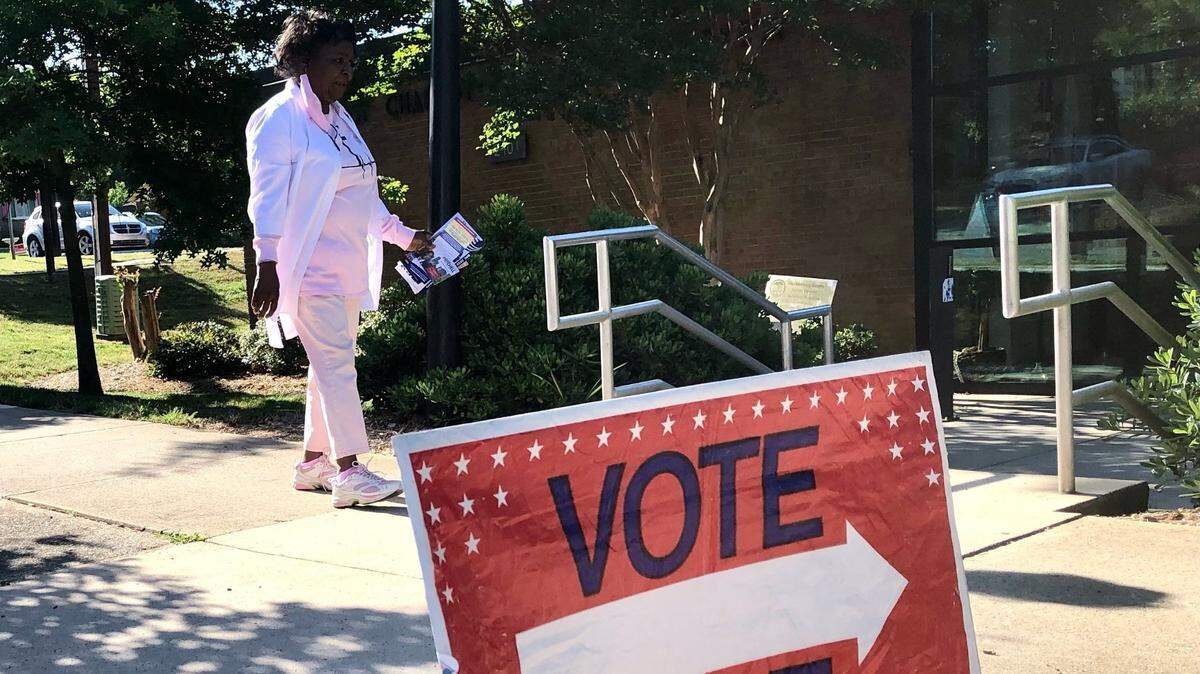
The North Carolina State Board of Elections has certified the 2022 midterms. Surry County will hold a new election in Dobson in a very close race, but other than that the 2022 books are closed.
All in all, it was a successful election season, despite worries from election deniers and skeptics and threats from some extremist groups about disrupting the process. There were a few reports of intimidation, which are being investigated, but no major incidents, no acts of violence.
Big kudos go to North Carolina’s 100 county elections directors, staff and bipartisan boards for managing the midterms so professionally.
However, voter turnout did not perform so well. While it varied around the state — ranging from 37.46% in Onslow County to 45.13% in Mecklenburg County to 65.97% in Chatham County — turnout was lower overall compared with 2018, another midterm election year.
Many get-out-the-vote groups in Mecklenburg have been scratching their heads about the low turnout in one of our state’s largest counties, which comprises approximately 10% of all registered voters in our state. But several counties underperformed, and the state overall did as well, despite an important U.S. Senate race and statewide judicial races. Only about half of North Carolina registered voters showed up to choose their candidates.
Explanations for this lack of enthusiasm include the following: gerrymandering over the years has left many voters feeling disenfranchised; people feel disconnected from their representatives; constantly changing rules (do we need ID or not?) have confused people; districts keep changing; voters are tired of negative ads; and voters are just plain tired. We heard many of these reasons as we did our Trusted Elections town hall tour around the state in September and October.
There are several ways we can improve N.C. elections. As safe and secure as our election system is, and as successful as the 2022 elections were, there is still an issue of low voter turnout and continued skepticism about election security. Democracies cease to work well when voters feel disconnected and when they disengage. So here are a few things on our bipartisan democracy wish list for 2023. Our state should:
▪ Convene a bipartisan N.C. Election Commission to study best practices around the country and make recommendations for safe, secure, fair and accessible elections. Perhaps the UNC School of Government, or the NC Bar Association, could organize this. Several states have done so with strong results. We could have reasoned discussion about issues like voter ID, gerrymandering, ranked choice voting, and more, with public input and buy-in.
▪ Eliminate odd year elections. Voter fatigue is real, and many NC municipal elections (such as in Raleigh and Asheville) have already moved to even years. Charlotte should do the same, and so should other cities and towns. Many voters do not know we have elections every year and the turnout in the odd year municipal elections is abysmal. Campaign staff, voters, and election officials would have time to better prepare for election season, and we would all get a break from negative political ads.
▪ Increase funding for our election boards and staff. With increasing cyberthreats, high turnover of county election directors, and security concerns in general, our election workers feel strained. Cybersecurity, poll worker training, maintenance of equipment and systems all cost money. With a budget surplus in the billions our state has no excuse not to fully fund our elections staff and systems. And that should include more funding for nonpartisan voter education and outreach, since confusion is a big part of voter suppression. Thousands of people move to our state every year, and our new residents need to learn about our elections processes as well.
Recent elections have shown that our democracy is resilient. But extremists, deniers and insurrectionists have shown that it’s also fragile. Here in North Carolina we are lucky to have a good election system. In our rapidly growing and diversifying state, however, we all should advocate for ways to continue to strengthen it.
This story was originally published December 26, 2022 at 5:30 AM with the headline "A bipartisan wish list: 3 things NC should do to get more people to vote."