
Overriding local zoning won’t solve North Carolina’s housing crisis | Opinion
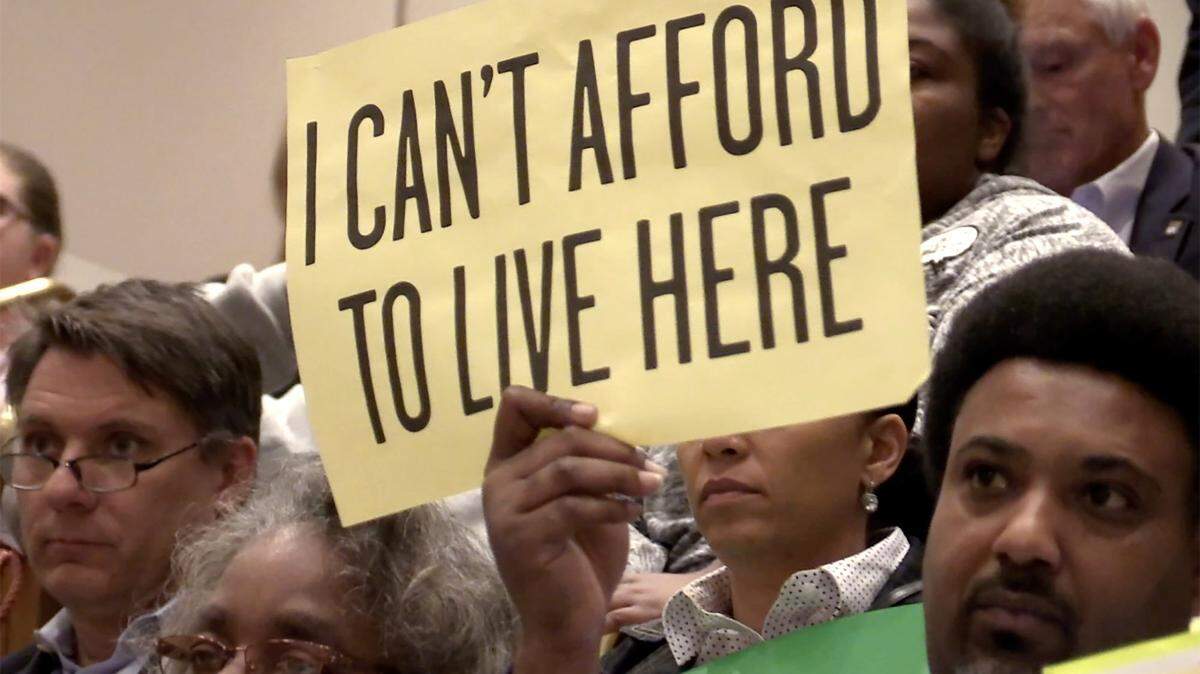
In North Carolina, particularly in its fast-growing cities, there is an acute shortage of affordable housing.
The median home price rose by 25 percent in 2021 and bumped up an estimated 5 percent in 2022. Nearly half of the state’s renters are considered cost-burdened, meaning they pay more than 30 percent of their gross income on rent and utilities.
There are many reasons, including urbanization driving up land prices, the rising cost of construction material and more affluent newcomers drawn by a boom in tech and bioscience industries.
Now state lawmakers are focusing on other causes: Restrictive local zoning and unnecessary requirements for inspecting and permitting new housing developments. There are several bills in the legislature aimed at usurping local authority in order to speed the construction of more housing and more affordable housing.
Senate Bill 317, for instance, would exempt development of 10 acres or more from local planning regulations if 20 percent of the development was set aside for people making the average median income or less. Another would prohibit the regulation of short-term rentals as a residential use. Another would allow accessory dwelling units on any lot where a single family unit exists.
On the surface, this is state lawmakers pushing back against NIMBYs, the not-in-my-backyard citizens who fill local zoning hearings to block denser – and presumably more affordable – development near their neighborhoods of mostly single homes.
The push is understandable. Raleigh Mayor Mary-Ann Baldwin has been criticized by neighborhood groups for her support of multifamily housing in or near neighborhoods. She sees the flurry of municipal override bills as “the legislature telling the cities to get their act together.”
That’s partly true, but also dangerous. What’s going on here is also a push by the home builders’ lobby to get out from under planning rules and regulations that ensure compatible development and that new construction is lasting and safe. Creating more affordable housing shouldn’t be a license to enact shady boom towns and feed suburban sprawl.
Local governments are already at a disadvantage in North Carolina. The state restricts their ability to impose impact fees or mandate that builders include affordable housing. There’s no reason to further weaken local control over development with statewide edicts. Every city and town is different and should have the right to set priorities for how they shape and preserve their local character. Once upon a time, that was an article of faith for Republicans.
It’s not that local governments are in the thrall of NIMBYs. The N.C. League of Municipalities and the N.C. Association of Counties recently issued a report titled “The Housing Crisis in North Carolina.” It includes a survey of 31 municipalities and nine counties in fast-growing areas. The survey found that 60 percent of those responding had revised their zoning codes in recent years to allow for more density in development.
The report noted that rather than obstructing housing, North Carolina’s largest municipalities are among the leaders in new housing. Raleigh in the first quarter of 2022 had the second-most housing starts among the nation’s top 20 metro areas. The Charlotte metro area came in fifth.
Instead of the state usurping local zoning and planning powers, the state should consider other options. The League report proposes that the state Department of Insurance could expand its training of building inspectors. It also calls for the state to create and fund uniform software for small towns and rural counties to speed up the permit process.
The legislature could take other actions. One big step would be to reinstate the state’s low-income housing tax credit that was repealed in 2015. There’s a bill in the House to do that, House Bill 208. Another step would be to increase the state’s affordable housing trust fund.
Affordable housing isn’t a partisan issue. It’s an economic issue. Getting more of it will help the poor, of course, but it also will make it possible for more teachers, police, firefighters and others to live in or near the cities and towns they serve.
The shortage of affordable housing in this rapidly urbanizing state won’t be solved by bullying local governments to get their acts together. But it can become less of a problem if municipalities and the legislature commit to acting together.
BEHIND THE STORY
MOREWhat is the Editorial Board?
The Charlotte Observer and Raleigh News & Observer editorial boards combined in 2019 to provide fuller and more diverse North Carolina opinion content to our readers. The editorial board operates independently from the newsrooms in Charlotte and Raleigh and does not influence the work of the reporting and editing staffs. The combined board is led by N.C. Opinion Editor Peter St. Onge, who is joined in Raleigh by deputy Opinion editor Ned Barnett and in Charlotte by deputy Opinion editor Paige Masten. Board members also include Observer editor Rana Cash and News & Observer editor Nicole Stockdale. For questions about the board or our editorials, email pstonge@charlotteobserver.com.