
Lured by high pay in NC, many migrant farmworkers end up exploited | Opinion
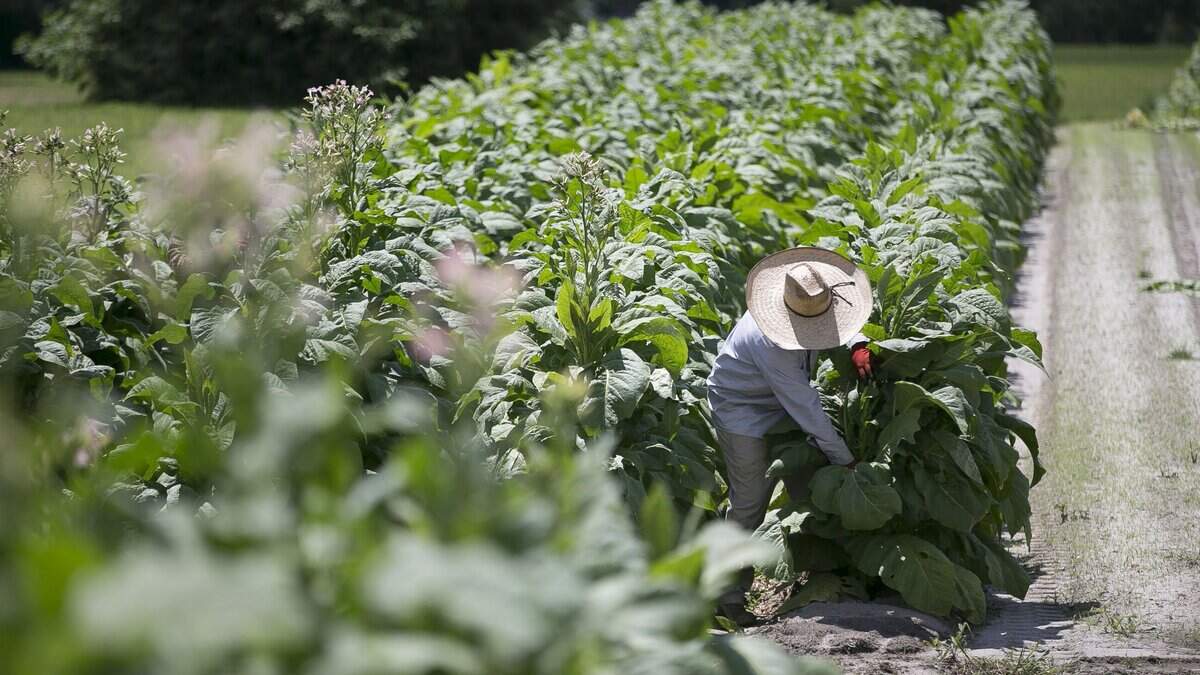
Axel Enrique Campos Arroyo, a Mexican farmworker, thought he had found a great deal in North Carolina.
In 2022, a labor contractor in Mexico promised him a job with a Wilson County grower that would pay $14.16 an hour, vastly more than he could make in Mexico. Campos Arroyo was also told he would be reimbursed for the cost of getting to the job and that his employer would furnish free and convenient kitchen facilities.
But, according to a lawsuit filed by Campos Arroyo, that’s not what happened. Instead, the lawsuit provides this account of his experience : He worked picking crops as many as 14 hours a day, seven days a week, with no overtime pay. He was not reimbursed for his travel expenses and required to buy meals from the contractor. He was illegally lent to another contractor to do construction work. Workers who complained were threatened with immediate deportation.
Campos Arroyo escaped from the farm in the middle of the night in August of 2022. Now he’s suing the contractor and the grower for unpaid wages and damages he says he suffered as a victim of trafficking and forced labor.
Aaron Jacobson, a Legal Aid of North Carolina lawyer, is providing local assistance in the case, that has been taken up by Farmworker Justice, a Washington, D.C.-based organization that defends the rights of migrant workers. Jacobson said farmworkers who pay labor contractors a hefty fee for an opportunity to earn higher U.S. pay can experience a hidden downside.
”They believe they will be the beneficiary of a one-time opportunity to make exorbitant money and do it legally,” he said. “Then they arrive and, I guess you could say, instead of the dream they find something akin to a nightmare.”
The North Carolina Growers Association does not use labor contractors. It brings in H-2A workers under its auspices, allocates them to farms and makes sure H-2A rules are followed. But only about half of North Carolina’s growers are members of the association. That leaves many of the state’s more than 17,000 H-2A workers vulnerable to being exploited by labor contractors, who increase their profit by flouting H-2A rules about hours, wages and living conditions.
The U.S. Department of Labor oversees wages under the H-2A program. The department has nine open investigations in North Carolina of contractors or growers who have violated H-2A or the Migrant and Seasonal Agricultural Worker Protection Act. But that enforcement only touches the tip of the problem, farmworker advocates say.
Leticia Zavala is a former farmworker and now an administrative coordinator for the farmworker advocacy group El Futuro Es Nuestro (It’s Our Future). She told me, “We have seen stories of a contractor getting caught and next year he’s doing business under his son’s name. He gets caught again and the next year he’s doing business under his wife’s name.”
Lack of enforcement allows for abuse, but the H-2A law itself makes migrant workers vulnerable.
Trent Taylor, a staff lawyer for Farmworker Justice and the lead attorney on the Campos Arroyo case, said that because a worker’s H-2A visa is tied to a specific grower, the worker has two options when work conditions are abusive and pay is withheld. He can endure and accept it. Or, he can go back to his home country at his expense and possibly be blacklisted from further U.S. work.
“The H-2A program basically creates a system in which these workers are held captive,” Taylor said.
To fix the problem, farmworkers in the U.S. on temporary H-2A visas should have more mobility, state and federal labor departments should increase oversight, and grocery chains should demand produce harvested under humane conditions. At a minimum, H-2A workers should not be assigned to contractors. They are middlemen with an incentive to maximize their profits at the expense of the workers they recruit and manage.
It can’t be acceptable that workers — regardless of where they’re from or how much they’re willing to endure — should toil beneath the blazing sun in North Carolina fields under such conditions.
This story was originally published August 20, 2023 at 4:30 AM.