
Congressman Jeff Jackson: What’s happening to me should bother you | Opinion

Just before 5 p.m. last Wednesday, I got a phone call from my chief of staff. He cut to the chase: “You just got nuked.”
He was right. The new congressional maps had been released and a quick glance revealed that my time in Congress now had a firm expiration date.
Of all the malevolent forces in politics, none pack the punch of gerrymandering.
Even the flood of dark money into our politics — as bad as it’s been — can only influence the outcome of elections. Gerrymandering, by contrast, can wholesale determine the outcome.
And it appears my outcome has been determined.
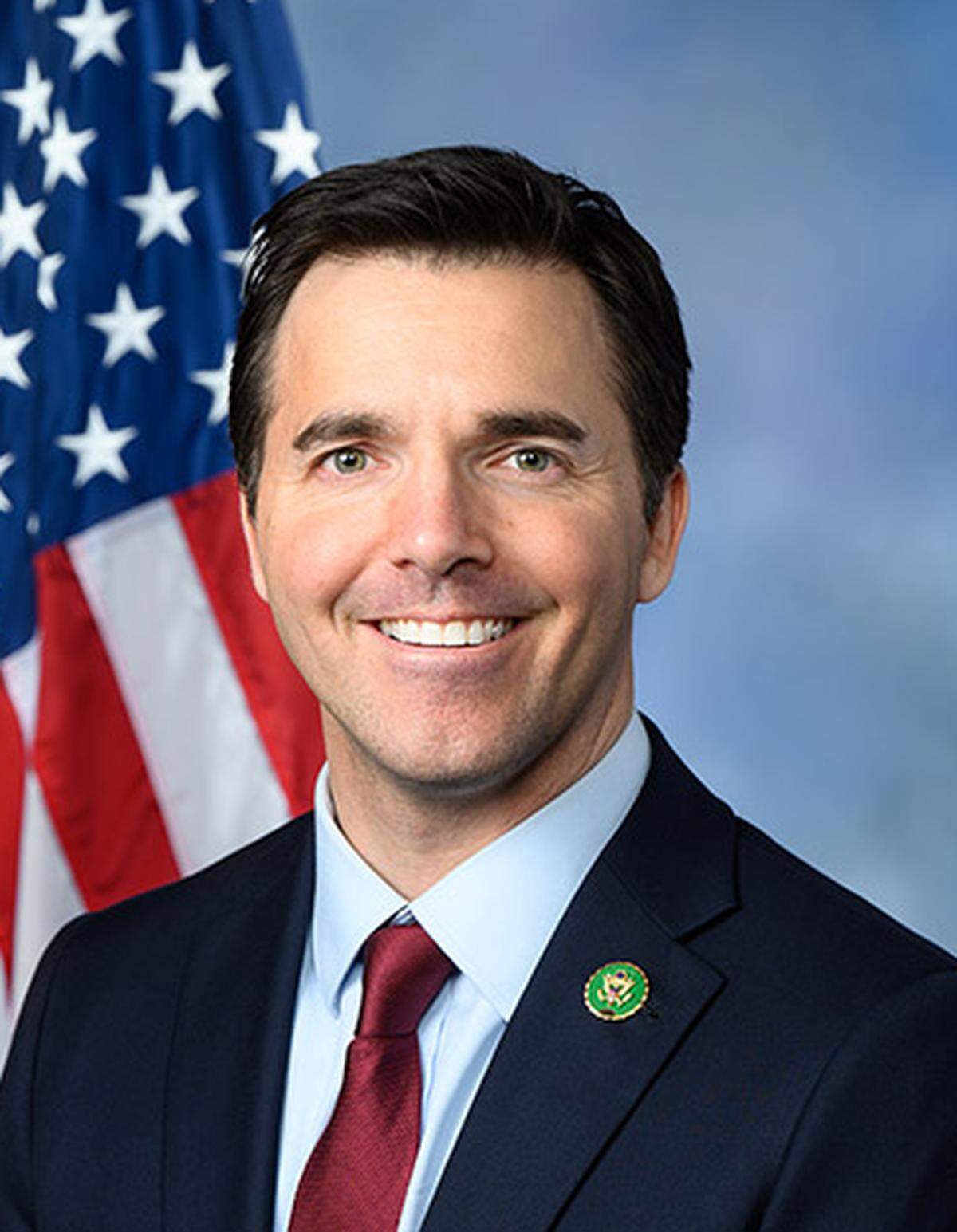
I’ve had the opportunity to serve in our state legislature and our federal legislature. In both, I’ve supported ending gerrymandering and making sure that politicians don’t get to draw their own districts.
Here’s what I’ve learned:
The idea of finally ending gerrymandering is overwhelmingly popular among my fellow legislators — in theory. They know as well as the rest of us that there’s no actual defense for carving up the map to advantage one party.
But these same legislators have powerful incentives to set their consciences aside. For many of them, their river of power springs from the redistricting pen. It’s the ethical mulligan they give themselves to unlock a career of electoral service.
To be clear, there’s no question my party failed on this.
I’m 41 years old. For roughly the first half of my life, Democrats in North Carolina used gerrymandering to win elections.
Back then, Republicans were in the minority in the state legislature. Many of them filed bills to end gerrymandering. My party threw those bills in the trash because its leaders never thought they would be out of power.
Then the Republicans took over and returned the favor — only this time, they had access to powerful new software that allowed for surgical targeting of specific voters. This became steroids for gerrymandering.
Now that our state Supreme Court and state legislature are controlled by the same party, the guardrails against extreme gerrymandering will mostly come down. The fix is in. The result will be a massive transfer of power away from voters.
Don’t believe me? Once the new congressional map is finalized, I’ll probably be able to tell you the outcome of every congressional general election in our state for the rest of the decade.
In these races, the quality of the candidates won’t matter. Neither will the campaigns. All of these elections will have been decided this week, by our state legislature.
It’s no mystery how to solve this. Many states have. Some solutions are better than others, but at their core the idea is simple: Don’t let politicians draw their own districts.
You deserve your full power as a voter and any politician who doesn’t want to end gerrymandering essentially wants to transfer your voting power to themselves.
That should bother you no matter how you vote. You might consider yourself a strong Republican or Democrat, but I’m certain that you don’t appreciate the decision to choose your representatives effectively being taken out of your hands, even if it’s by your own party.
Let me surprise you for a moment: I’ve actually found more bipartisanship in Congress than I expected. It exists mainly out of view so as to preserve the conflict narrative that politicians and the cable news both use to capture your attention, but you’d be shocked by how much common ground there is behind closed doors.
That’s another reason to end gerrymandering — it would go a long way to taking the bipartisanship that exists in private and making it public. Primaries would stop being the only real challenge for most members of Congress and more competitive general elections would incentivize them to listen to a wider share of voters. Super-intense polarization is the natural consequence of a Congress in which roughly 90% of members only face a real threat in a primary, and gerrymandering contributes heavily to that situation.
It has been the honor of a lifetime to serve in Congress. It’s in rough shape these days, but these challenges aren’t without solutions. Ending gerrymandering will be an essential piece of any genuine effort to give you the representation you deserve.
This story was originally published October 21, 2023 at 7:31 AM with the headline "Congressman Jeff Jackson: What’s happening to me should bother you | Opinion."