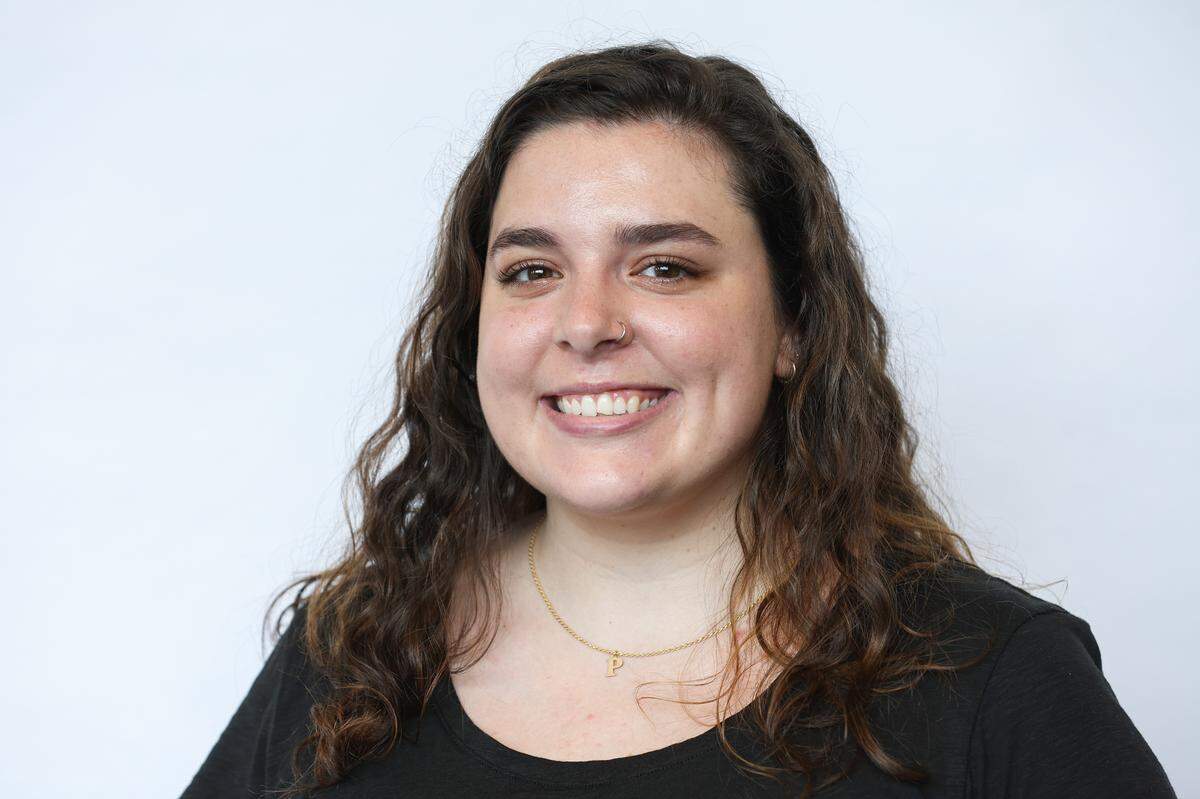
‘I just kicked down the box’: Triumphant swearing-in shows the power of second chances | Opinion
Tiawana Brown stood at the center of the dais, surrounded by friends, family and her 10 new colleagues on Charlotte City Council.
Clad in a glittery dress, her voice rose above the rest as the new council took the oath of office together.
“I, Tiawana Brown, do solemnly swear …”
It was a big moment for Brown, who on Monday night officially became the first formerly incarcerated person to serve on Charlotte City Council. She is now the newest representative of District 3, the west Charlotte community in which she was born and raised.
The significance of the moment wasn’t lost on her.
“As most of you may know, I am a formerly incarcerated individual,” Brown said in her first remarks from the dais. “And for a long time, we were called convicts, felons, inmates … This position is a gift from God that I don’t take lightly.”
Brown describes herself as a “survivor of mass incarceration.” While in her 20s, Brown served four years in federal prison on felony fraud charges. She was pregnant at the time of her sentencing, and gave birth to one of her two daughters while incarcerated. Black women are greatly overrepresented in the U.S. prison population, and like Brown, many of them tend to have young children.
Since her release from prison, Brown has dedicated herself to helping formerly incarcerated women like her. Her nonprofit, Beauty After the Bars, provides assistance to women both inside and outside the prison system. She also works with the Mecklenburg County Sheriff’s Office on a mentorship and re-entry program to lower recidivism rates among those released from jail. Brown said Sheriff Garry McFadden has “opened doors for me that no other sheriff would have opened.”
Society is often unkind to those with felony convictions. The stigma from a single mistake can last an entire lifetime, no matter how much a person deserves a second chance. Research shows that stigma has negative psychological effects on formerly incarcerated people and can hinder their ability to successfully readjust after leaving the prison system.
There are also, of course, significant institutional barriers. People with felony convictions may have trouble finding housing and employment. If they are convicted of a drug-related felony, they may be disqualified from receiving welfare. A law recently upheld by the North Carolina Supreme Court’s Republican majority states that formerly incarcerated people convicted of a felony may not even vote until their parole or probation ends. That’s a political decision, and it’s one that sends a message to those who struggle to find their value as they reenter society.
Brown is open about her past, but there are still people who try to use it against her. One of her primary election opponents sent a campaign email warning voters that a “habitual felon is on the ballot,” despite the fact that Brown has only one felony conviction and it has since been expunged.
At a time when some lawmakers don’t even seem to believe that people with felony convictions should be afforded the basic rights of citizenship, it’s powerful to see someone like Brown ascend to public office.
“It means a lot to me. It’s restoring hope for the formerly incarcerated community,” Brown told reporters after Monday’s ceremony. “It’s just driving to the finish line and letting them know what you did is in your past. You can move forward, overcome the adversity and be somebody successful, whatever your success is.”
It’s powerful, too, to see Brown forge a path and rejects the labels that society forces upon formerly incarcerated people. As the only newcomer to Charlotte City Council, no one would blame Brown for feeling nervous or out of place. But she exuded nothing but confidence, like she knew she belonged there just as much as anyone else.
“Any box that we’re put in, we can step outside of. I always say that,” Brown said. “They put us in a box, but I just kicked down the box. So now what?”
This story was originally published December 5, 2023 at 12:57 PM with the headline "‘I just kicked down the box’: Triumphant swearing-in shows the power of second chances | Opinion."