
Durham’s construction frenzy is polluting creeks, threatening Wake County’s drinking water source | Opinion
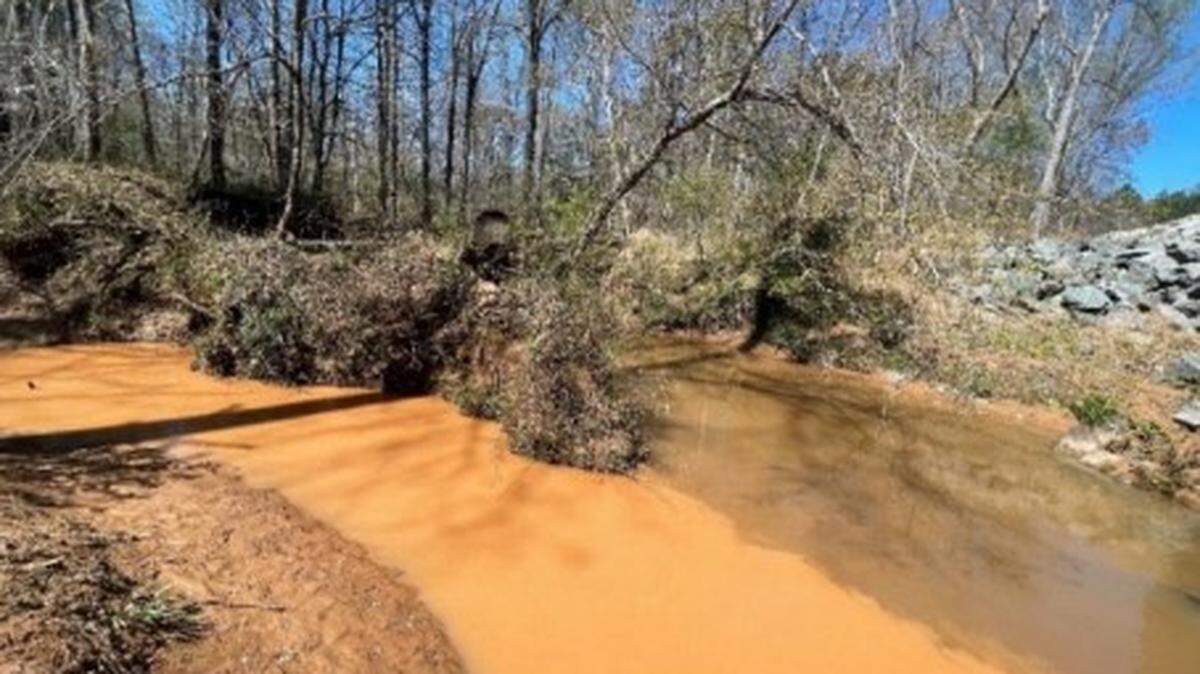
Waterways turn red when it rains in southeast Durham. Locals coined the term “tomato soup” to describe the color of their creeks, which for years have turned red from muddy runoff and sediment pollution from massive construction sites.
As Neuse Riverkeeper with the nonprofit Sound Rivers, I’ve spent years monitoring and documenting the impacts of sediment pollution from Durham’s development boom.
Through water quality sampling and aerial monitoring of construction sites in southeast Durham’s most rapidly developing areas, Sound Rivers has documented sediment runoff from massive construction projects polluting public waterways and resulting in levels of turbidity (a measurement of suspended sediment in a water column) at more than 20 times the state’s legal standard for surface waters.
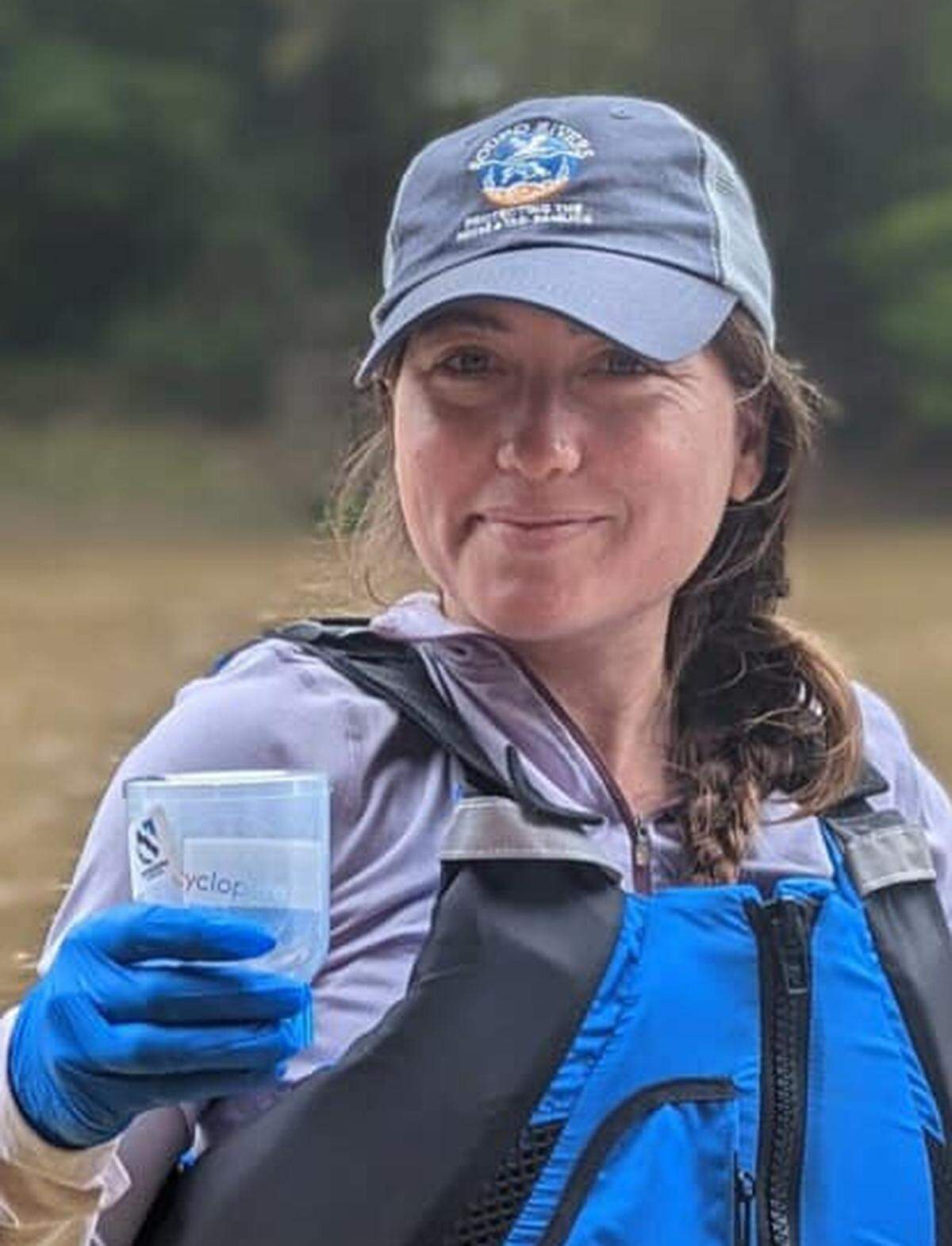
This is why Sound Rivers filed suit against a multi-state developer in federal court for violating the Clean Water Act. A recent court ruling rejected the corporate developer’s motion to dismiss and green-lighted the lawsuit to move ahead.
Construction-related sediment runoff causes serious harm to aquatic ecosystems. Sediment muddies our rivers, blocks sunlight needed by plants and fish to survive, chokes out habitat and challenges the very building blocks of aquatic life.
Pathogens and nutrients also piggyback on sediment pollution, which can pose health threats to humans who come in contact with the water.
Most concerning is that construction pollution in southeast Durham not only impacts area creeks, but also Falls Lake — the drinking water source for all of Raleigh and over half a million people in Wake County. Aerial photographs from our watershed monitoring flights show mud from Durham development pouring into Falls Lake.
Still, four of the Durham City Council’s seven members continue to deny the reality that sediment runoff from development sites is polluting our waterways. At City Council meetings, large rezoning projects that clear cut and mass grade hundreds of acres of forested land to allow for suburban sprawl are regularly approved in narrow 4-3 votes.
In the recent Virgil Road rezoning case, City Council members downplayed or dismissed the well-documented sediment pollution problem in order to justify the approval of more than 500 acres of single-family homes, against a unanimous rejection of the proposal by Durham’s Planning Commission.
These important decisions will shape what Durham looks like for decades. Instead of viewing muddy creeks as the inevitable outcome of growth, Durham residents should speak up about the continued loss of valuable natural lands to unchecked suburban sprawl.
Despite what some Durham elected officials may say, we can have housing development and clean, healthy creeks and surrounding ecosystems. While Durham’s sediment-pollution crisis stems from suburban sprawl, the city’s new Comprehensive Plan provides a blueprint for walkable, diverse, thriving communities that meet the needs of residents and the environment.
As long as the City Council continues to approve irresponsible development proposals, it fails to implement the Comprehensive Plan’s vision and fails its people and the future.
We all must demand that Durham’s elected leaders protect the city’s waterways and communities from irresponsible suburban sprawl.