
GOP move to lower cap on the NC income tax could drive up other taxes | Opinion
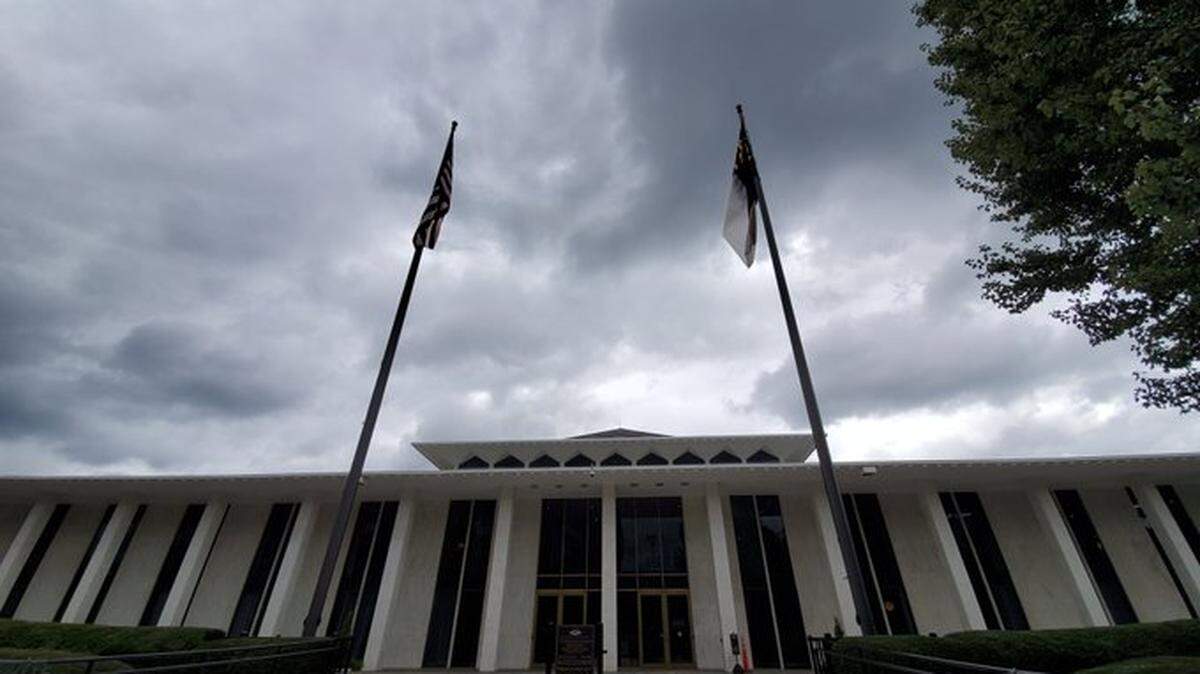
North Carolina’s Republican state lawmakers have drawn national attention for their brazen move to strip powers from Democrats just elected to statewide offices.
But they’re not stopping there. With other legislation, they’re seeking to take power away from future lawmakers – Democrats and Republicans alike. The instrument for this power grab into the future is Senate Bill 920. It proposes a state constitutional amendment that would cap the state’s personal income tax rate at 5%.
Republicans are using their supermajority before it ends in January to put the proposed amendment on the November 2026 ballot. Amendment proposals, which can’t be vetoed by the governor, require a three-fifths majority vote. The amendment passed the Senate on a party-line vote and is pending in the House.
In 2018, voters supported by a margin of 57% to 43% percent a constitutional amendment that lowered the state’s maximum income tax rate from 10% to 7% – though the legality of the amendment still faces a court challenge. (Passage of the new amendment would render that challenge moot.)
Voters are likely to favor lowering the income tax cap. After all, most voters don’t want higher taxes. But the amendment won’t be providing what they expect. Yes, the income tax won’t get any higher than 5%, but the cap would put upward pressure on user fees and taxes – especially the state sales tax and local property taxes.
State Sen. Graig Meyer, D-Orange, has spoken against the proposed tax cap, saying it will have at least two negative repercussions. First it will constrain future lawmakers from raising income taxes in response to disasters, recessions and other developments.
Indeed, pressure to raise taxes after years of tax cuts is already here, Meyer said. “We are already running a deficit,” he said. ”For the last couple of years we’ve been relying on COVID stimulus money and our reserves to keep us in the black and it’s running out.”
Second, Meyer said, capping revenue from the income tax, now a flat 4.5% and scheduled to drop to 3.99 by 2026, will force the state to rely more on the regressive sales tax and user fees. Meanwhile, he said, the state’s failure to maintain support for local governments is already causing many local governments to raise property taxes to support schools and basic services. A lower tax cap could add to that pattern.
“This is going to hit people in the pocketbook,” Meyer said.
But Jeffrey Hoopes, a UNC professor who studies the effects of taxes on business, sees a benefit in a lower tax cap. For businesses, he said, a low tax cap locked in by a constitutional amendment “creates stability and predictability. You can make plans knowing what the future is going to hold.” He added, “Predictability is really quite valuable.”
But the flip side of predictability is a dangerous inflexibility.
Matthew Gardner, a senior fellow at the Institute on Taxation and Economic Policy, pointed to Kansas’ experience with cutting taxes in 2012 and 2013 in hopes of stimulating more revenue. It was a disaster, but lawmakers were able to reverse course and raise taxes.
“The difference in North Carolina is that lawmakers can’t change their minds,” Gardner said. “If they make a mistake, it’s in the constitution and the only way you can fix it is by changing the constitution – and that’s not easy.”
Voters should be aware, Gardner said, that lowering the income tax cap could lead to a tax shift.
“If you put constitutional limits on the income tax, virtually any other revenue source that you can come up with is going to be more regressive,” he said. “The income tax is the best possible deal for families.”
A state constitution is not the place to lock in tax rates, Gardner said. As circumstances change, lawmakers should have room to adjust.
“At the end of the day, we have to trust our lawmakers are going to make the right decisions. You can’t put them in shackles,” he said. “You have to trust they are going to make responsible choices.”
And when they make irresponsible ones, as they are now, voters should leave room for a future and wiser group of lawmakers to choose a better course.
This story was originally published December 11, 2024 at 12:44 PM.