
Former senior military leaders: Judge Griffin threatens votes of America’s troops | Opinion
Earlier this month, Judge Jefferson Griffin filed a brief with the North Carolina Supreme Court arguing that more than 60,000 lawfully cast ballots from the November election should be thrown out — the latest development in his effort to reverse incumbent Justice Allison Riggs’s 734-vote victory in the state Supreme Court race, which has been confirmed by two recounts.
The voters who cast these ballots did nothing wrong and followed all the rules that were in place on Election Day. Judge Griffin now seeks to change the rules retroactively. The disenfranchisement of even a single voter because of a retroactive rule change would be an injustice — let alone the disenfranchisement of 60,000 North Carolinians.
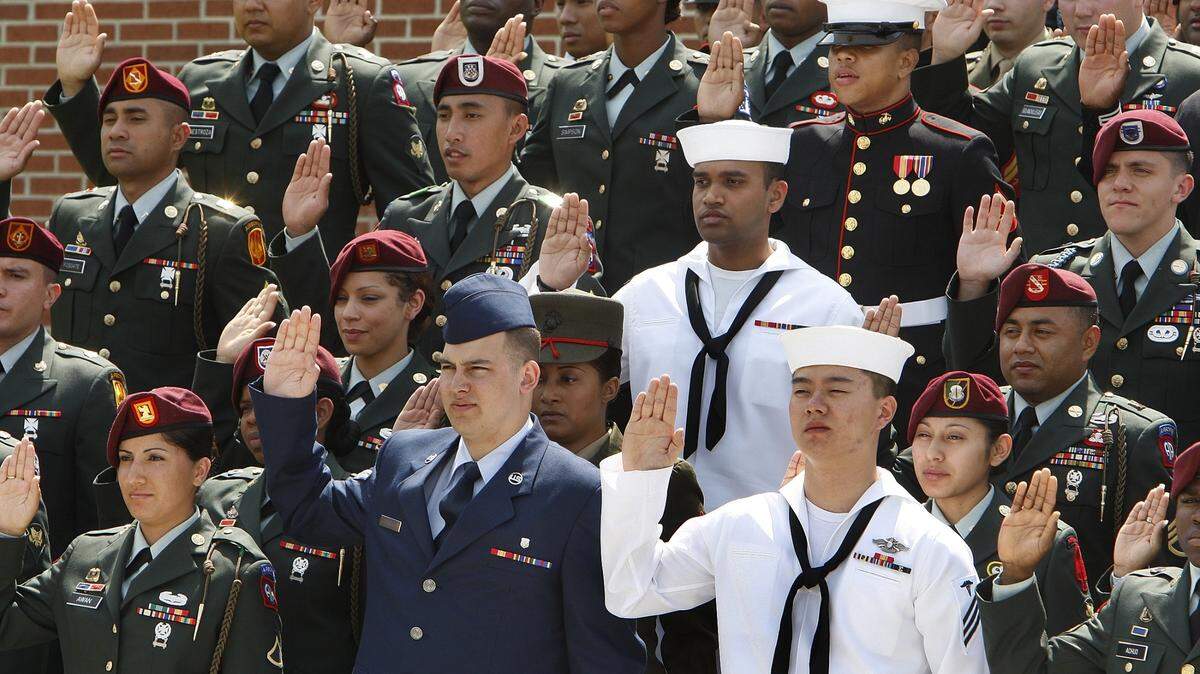
As former senior defense officials and retired flag and general military officers, we are particularly concerned about one category of absentee voters impacted by Judge Griffin’s latest court filing: overseas voters, including military service members and their families.
Eligible service members, like all citizens, have a constitutionally-protected right to vote. North Carolina military and overseas voters are citizens of and pay taxes to the state. They have the right under state law to vote for their elected state officials even though they do not currently reside here. Challenging their votes by changing the rules after the fact is anathema to all that our troops are prepared to defend with their lives: our country and its democratic form of government. North Carolina is home to nearly 100,000 active-duty service members, and many are deployed around the world. We should have our troops’ backs the way they have ours.
Military and overseas voters of North Carolina cast their ballots in this election with the correct understanding that they did not have to provide photo identification. While most voters in the state need to provide photo identification when they cast a ballot, under state and federal law military and overseas voters do not need to do so. Instead, they must provide other information verifying their identities and attest under penalty of perjury that their information is accurate and they are eligible to vote in North Carolina.
Judge Griffin did not object to the alternative identity verification procedures for military and overseas voters before the election. Only now does he claim that these votes should not be counted.
Judge Griffin’s lawsuit also targets overseas voters in four North Carolina counties where political leanings did not favor his election, rather than seeking to apply the same rules to overseas voters in all counties. If Judge Griffin were to prevail, military and overseas voters would be retroactively subject to different sets of rules depending on which county they have ties to. It would be unjust to count the ballots of voters in some counties but not the ballots of identically situated voters in other counties.
Already too many hurdles impede ballot access for military voters and their families. They must navigate a complex patchwork of state and local laws and the mundane realities of printing and shipping ballots to and from remote locations around the world. This reality discourages many of our service members from even attempting to vote.
Our elected leaders should be in the business of making it easier for eligible troops to vote, particularly those risking life and limb in deployments overseas, not suing to throw out the votes of service members who manage to cast a ballot.
Judge Griffin’s attempt to disenfranchise North Carolina military voters and their families is particularly disappointing because he himself is a veteran and serves as a Captain and JAG Officer — a military lawyer — in the North Carolina Army National Guard. Judge Griffin was deployed to the Middle East during North Carolina’s primary election in 2020 and knows firsthand the challenges these brave Americans face when trying to exercise their right to vote from overseas.
Our service members and their families — and all of the voters challenged in Judge Griffin’s lawsuit — deserve to have their lawfully cast ballots counted. Throwing out the votes of our troops and their families would be an affront to the values to which they have dedicated their service. Judge Griffin should abandon his attempt to suppress the votes of our service members and tens of thousands of North Carolinians.