
As Trump ignores climate change, weather extremes take a rising toll on NC farming | Opinion
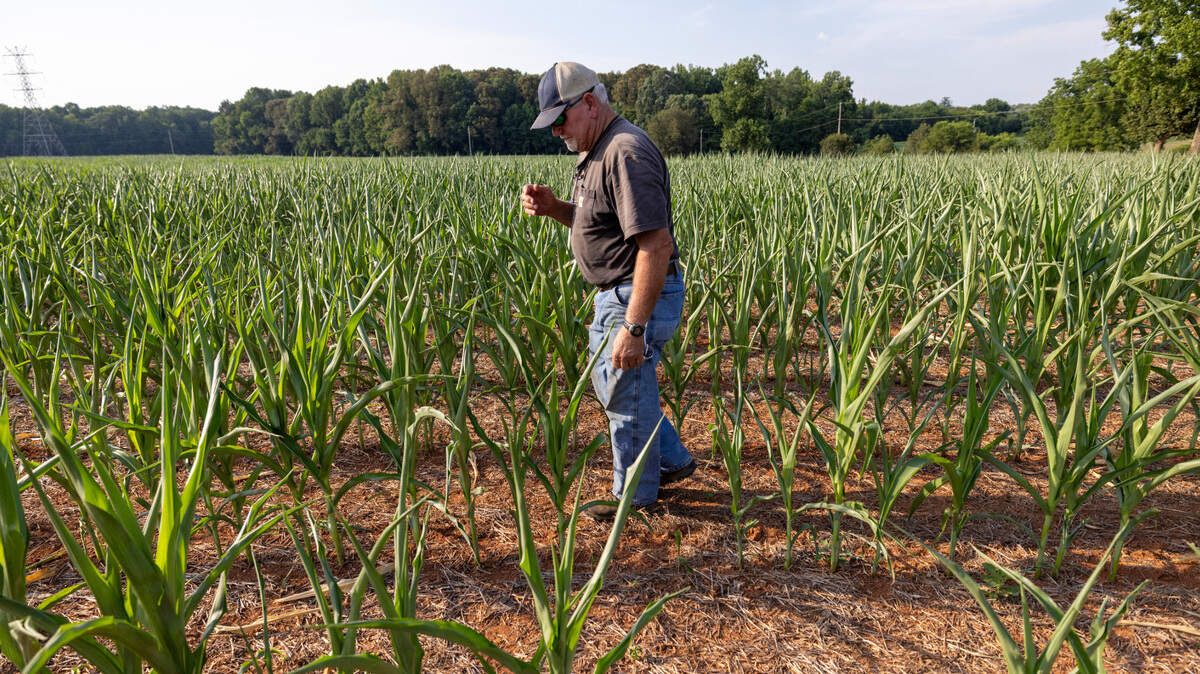
The day President Trump announced the United State will withdraw from the Paris climate accords, eastern North Carolina slipped deeper into a drought that’s part of a growing pattern of wet and dry extremes.
“We know that is a consequence of climate change,” said Corey Davis, a climatologist in the State Climate Office. “We have some really wet periods followed by really dry weeks. Instead of even precipitation, it’s getting more extreme.”
It’s a pattern so pronounced that the climate office gave it a name. “Our office has started to call it weather whiplash,” Davis said.
This week’s rare snowfall in North Carolina will help with the drought, but it won’t resolve a growing precipitation deficit. For the period from Oct. 20 to Jan. 20, rainfall in Raleigh is 4.3 inches below normal and the deficit is higher in the east. Elizabeth City is 5 inches below normal, Wilmington is 5.9 inches short and New Bern nearly 7 inches.
The USDA’s drought monitor shows 11 eastern counties in the state in severe drought, 42 in moderate drought and 37 abnormally dry. The only counties not short of rain are 10 counties in the western part of the state, and they were hit with the other extreme – a deluge from Hurricane Helene.
David Smith, chief deputy commissioner of the state Department of Agriculture, said swings in the weather make it hard for farmers to plan and to cope. Last year was especially bad. “We had disaster declarations for drought and for too much moisture in the same county,” he said.
Jonathan Smith, a field crop agent with NC Cooperative Extension in Pitt County, knows the cost of the extremes. Last year, the second-driest June on record stymied the corn crop, causing millions of dollars in losses. Then Hurricane Debby came through as a tropical storm in August and battered the tobacco crop.
The early summer drought, Smith said, “was kind of a gut punch. Then the upper cut was the hurricane.” He doesn’t expect the swings to let up. “It seems like we’re breaking records every year,” he said.
Overall, agriculture officials said 2024 was one of the worst years for agriculture in North Carolina.
Ron Heiniger, a professor with N.C. State University’s Department of Crop and Soil Science, works out of the Vernon G. James Research and Extension Center in Plymouth in Washington County. He said eastern North Carolina is now in the 14th month of dry conditions going back to December 2023.
Since mid-July, he said, it’s one of the top five driest periods in 100 years. “Lawns and trees are drying up like I’ve never seen before,” he said. “It would be nice to see some rain.”
What’s needed is a return to normal – or what used to be normal – temperature and rainfall. “Sooner or later you would think average would come to our benefit,” Heiniger said. “Instead, it has been extremely dry and extremely wet.”
Farmers live by the weather, but those who don’t depend on it directly may not notice the drought tightening around the state. Davis noted that light rain and this week’s snow make for muddy soil, but “a drought is not skin deep. It can be wet on the surface, but the deeper soil is drying out.”
Rivers and stream levels are starting to drop, he said, but drinking water reservoirs are still in good shape. That will change if winter temperatures rise to normal, but rainfall does not.
“Drought impacts are not showing up at the moment,” Davis said, “but when that warm-up happens – if we have not gotten some rainfall – that drought is going to smack us in the face.”
A stronger U.S. effort to slow climate change won’t stop the swings between too much and too little rain in North Carolina. But a steady effort joined by the rest of the world might keep the pattern from getting worse.
Instead of pulling the U.S. from the climate agreement, Trump should be working to limit climate change so farmers in eastern North Carolina and elsewhere get more of what we all need – regular rain and normal temperatures.