
Trump wants mandatory death penalty trials. NC tried that and it failed | Opinion
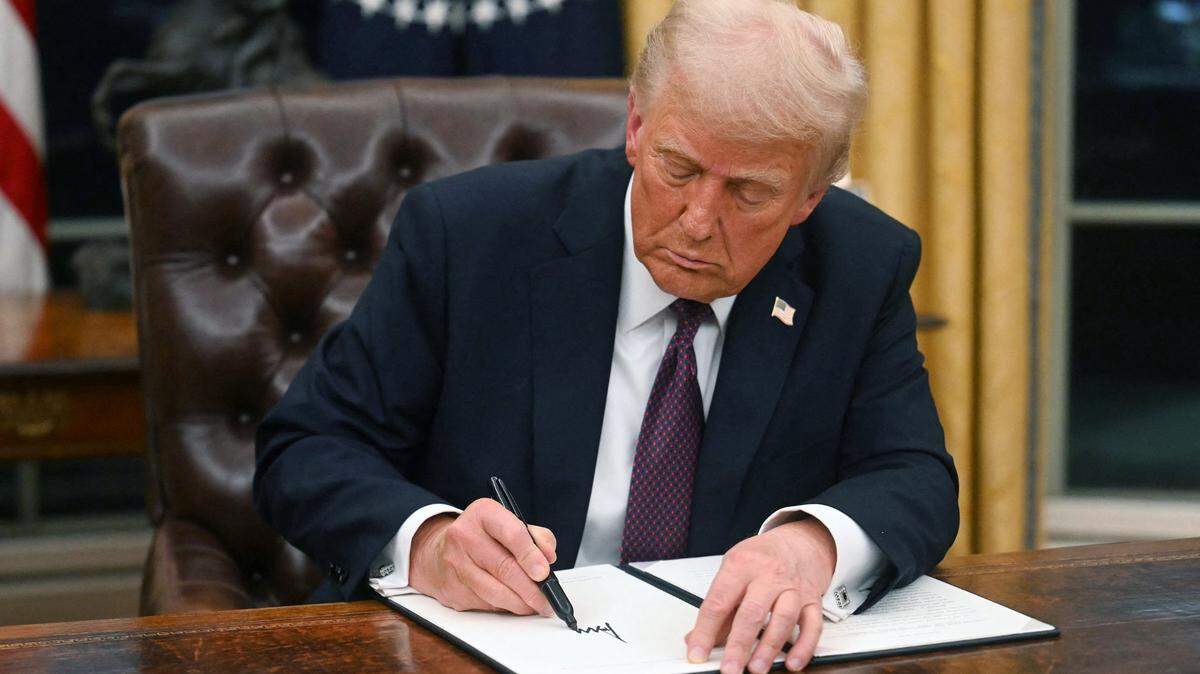
Last week, President Trump directed the U.S. attorney general to seek the death penalty for federal capital crimes “regardless of other factors” when the case involves the killing of a law enforcement officer or if the crimes were “committed by an alien illegally present in this country.”
President Trump was probably aware of the dubious constitutional validity of this order, because he also instructed the attorney general to seek to overrule Supreme Court precedents that “limit the authority of State and Federal governments to impose capital punishment.” What the president may not have known was that this policy had been tried and failed in the single state in the modern era of capital punishment that attempted to handcuff prosecutors’ choices of which persons may be deserving of the death penalty.
For those of us involved in litigating capital crimes in North Carolina prior to July 2001, Trump’s executive order was a disturbing reminder of a time when state law deprived prosecutors of discretion not to seek the death penalty where there was some evidence of even a single aggravating circumstance in intentional or felony murder cases. The consequences of this state law were so draconian that prosecutors successfully sought to repeal the law in 2001, and were joined by defense attorneys, victims’ advocates as well as groups that wanted to preserve limited criminal justice resources and cut some of the outsized cost of capital punishment to taxpayers. As a consequence, the vote to repeal mandatory death penalty prosecutions was not merely bipartisan. The N.C. Senate unanimously repealed the law, and the N.C. House vote was nearly unanimous.
North Carolina’s mandatory death penalty prosecutions resulted in spiraling numbers of new death sentences, entrapping many persons who, because of their serious mental illnesses, intellectual disabilities, youth and poverty, or because of racial discrimination, were least able to defend themselves. Persons who were accessories to murder also were caught up in this maelstrom because, like the president’s executive order, North Carolina law did not permit prosecutors to consider “other factors” when seeking a penalty for first-degree murder.
Some of the many problems with the mandatory prosecution scheme are illustrated in the prosecution of Guy LeGrande.
Mr. LeGrande is a mentally ill Black man with psychotic and grandiose delusions who represented himself at his sentencing trial in 1996. He was tried capitally and sentenced to death in a murder for hire scheme, while the more culpable white co-defendant who hired him and provided him with the murder weapon knowing that he was mentally ill, was permitted to plea bargain to second-degree murder.
Under the mandatory prosecution scheme, once the prosecutor decided to prosecute LeGrande for first-degree murder, he had no choice but to pursue the death penalty, and could not consider LeGrande’s serious mental illness in that decision. More than a decade after his trial and litigation costing taxpayers millions of dollars, a state court judge found him incompetent to be executed, but LeGrande remained on death row until Governor Cooper mercifully commuted his death sentence last month.
As Mr. LeGrande’s case illustrates, North Carolina is still feeling the adverse impact of the mandatory death penalty prosecution law, despite its repeal. The NC legislature retroactively applied the repeal to anyone on death row who had a capital resentencing trial, but it did not create a mechanism for everyone else to benefit from the repeal of the law.
As direct legacies of this misguided law, two-thirds of North Carolina’s death row today is comprised of persons sentenced to death before 2002, and North Carolina’s death row remains the fifth largest in the country.
As another consequence of this mandatory prosecution scheme, more innocent people were convicted of first-degree murder and sentenced to death in North Carolina. According to a death penalty research organization, the 12 persons sentenced to death and later exonerated in North Carolina, including eleven persons of color, were sentenced before North Carolina’s mandatory prosecution law was repealed.
Perhaps we would be better served by learning from history, instead of blindly repeating it?