
Trump wants to undo offshore drilling protections for NC. We’ll see him in court. | Opinion
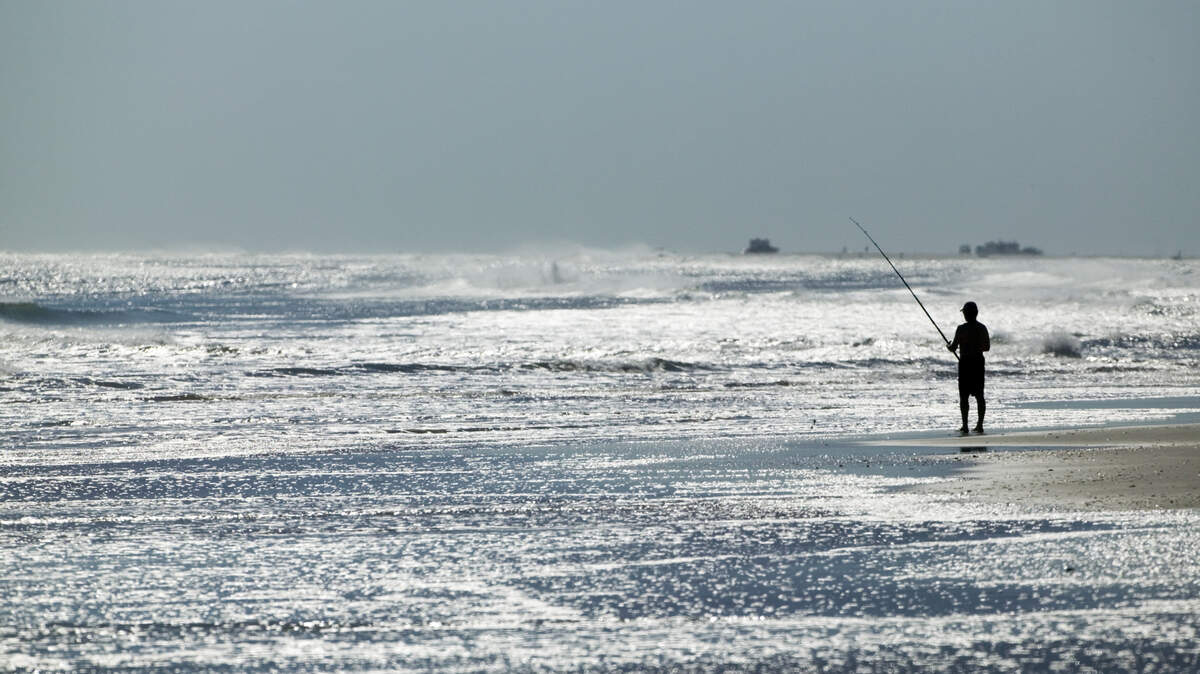
Politics has washed up on North Carolina’s coastline as President Donald Trump issued an executive order calling for reversal of permanent protections of a broad swatch of area, including the southeast Atlantic coast, and opening it to offshore drilling to make good on his promise to “drill, baby, drill” for oil and gas.
Offshore drilling prospects have long been a non-starter for North Carolinians. We know that offshore drilling is dirty, dangerous and a serious threat to coastal communities and businesses that rely on tourism and commercial fishing. Protecting our coasts isn’t a partisan issue; more than 60 coastal cities and towns in the state passed resolutions opposing offshore drilling when the Barack Obama administration proposed opening the south Atlantic to oil and gas development.
A long history of disasters backs up broad public opposition to offshore drilling. In 1969, an oil spill near Santa Barbara, California tainted 35 miles of the Pacific coast and killed thousands of coastal animals and marine habitats. In Alaska, the Prince William Sound still has remnants of oil from the 1989 Exxon Valdez spill. And Gulf Coast states are still recovering from the 2010 BP Deepwater Horizon drilling disaster that killed 11 workers and spilled millions of gallons of oil into the Gulf of Mexico.
Despite historic opposition from coastal states — and from the courts — one of Trump’s first acts as president was an executive order reversing the permanent protection of 625 million acres of ocean from new offshore oil and gas leasing — stretching from Alaska’s Bering Sea and the Pacific Coast to the eastern Gulf of Mexico and the Atlantic Coast. Under the guise of “unleashing American energy,” Trump is attempting to make good on his campaign promise to billionaire oil CEOs who are eager to tap into fossil fuel reserves on public lands. While areas off the coast of North Carolina are protected by a temporary Trump administration order, lasting through 2032, the administration’s recent moves undo the permanent protections put in place by the Joe Biden administration.
This plan to promote American energy is, of course, a ruse. The United States is already the world’s largest producer of oil and natural gas. But we are far behind in the global race for clean energy, where China leads the world in renewable energy development. The trend is growing in Europe as well, where 47 % of the region’s power comes from renewable energy. By contrast, only 23 percent of the electricity generated in the U.S. comes from renewables.
Opening U.S. coastlines to offshore drilling appear less like an effort to “unleash American energy” and more like a handout to billionaires.
Leasing drilling rights to American waters will move us further away from being a leader in — or even a part of — the growing renewable energy sector.
Not only that, but Trump also doesn’t have the legal authority to sell off U.S. waters that have been permanently protected by presidents Biden and Obama.
In 2017, the Natural Resources Defense Council (NRDC) filed a lawsuit to stop the first Trump administration’s attempt to allow offshore oil and gas leasing in permanently protected waters. We won that case, and today we’re prepared to again defend our coast from bad actors.
Last month, NRDC partnered with Earthjustice and a coalition of environmental groups to again challenge president Trump’s illegal order, filing two actions in the Alaska U.S. District Court to reinstate safeguards established by presidents Obama and Biden under the Outer Continental Shelf Lands Act.
Trump’s executive order is an unlawful giveaway to the fossil fuel industry CEOs that padded his campaign coffers. While he may be trying to make good on his campaign promises to “drill, baby, drill,” no one is above the law.
The Natural Resources Defense Council and other environmental advocates are sending a clear message to Big Oil and the Trump administration that our oceans are not for sale. The judicial branch is the strongest avenue we have to uphold historic environmental safeguards. We will see him in court.