
Western NC wildfires show the need to do more to meet threats from climate change | Opinion
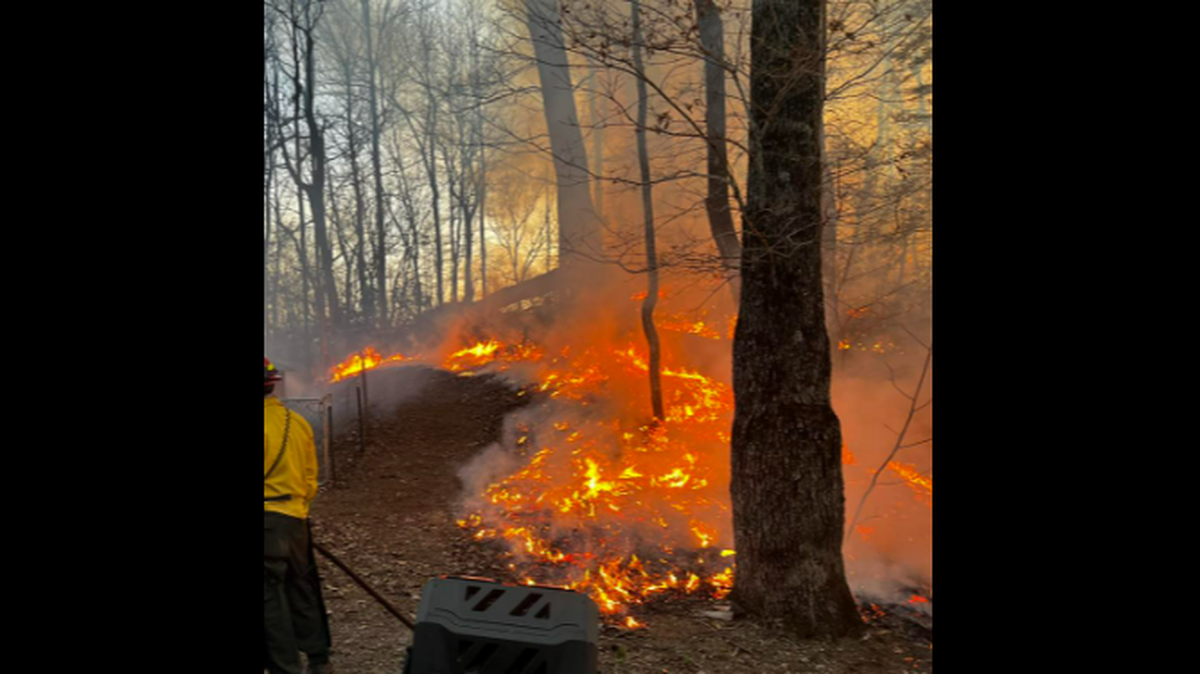
Wildfires by their very name would appear to be unpredictable, but the flames that scorched thousands of acres in western North Carolina came as expected.
Vast tracts of trees blown down by Hurricane Helene last September spread debris across mountainsides. As the fallen trees dried and the winds and rising heat of spring arrived, all that was needed was a spark. In at least two of the several wildfires, downed power lines provided it.
“Every fire season is unique, yet I believe it was inevitable that we would eventually have a dry spring aligned with Hurricane Helene debris,” said Robert Scheller, a forestry professor at N.C. State University.
Philip Jackson, a spokesman for the N.C. Forest Service, said the fallen trees not only fuel the fires, but can prevent firefighters from getting to the fires. He said, “These debris are a huge bonus for the wildfires, but a huge challenge for us.”
Yet these wildfires are about more than the ripe circumstances created by a hurricane. The smoke rising above western North Carolina is a signal of change and a growing threat for which the state is not prepared.
Hurricanes are not supposed to hit the North Carolina mountains, but climate change is reshaping what’s normal. And development is not found in the wilderness, but increasingly it’s pressing into once remote terrain.
These changes pose a challenge for North Carolina. Local governments must reconsider where development should go given the changes in rainfall and drought and the resulting increase in floods and wildfires.
Instead, the opposite is happening. The Republican-controlled General Assembly, in the thrall of the home building industry, is blocking building code changes that would make homes more resistant to high winds. Environmental protections and development restrictions are being eased or eliminated. Millions of acres of isolated wetlands that help protect against flooding have been opened to development.
Housing is expanding into sensitive coastal and mountain areas. Some of the fastest-growing counties in North Carolina are coastal counties — Brunswick, Pender and Currituck — that are vulnerable to rising sea levels and flooding from storms delivering heavier rains.
North Carolina, according to Forest Service, already has the nation’s highest interface of wild and developed land. As the state grows, more communities are butting against forests, mountains and wetlands. The risk is rising with the population.
Meanwhile, not enough is being done to improve resilience to those risks.
The Forest Service could do more to manage forests and reduce fire risks, but about 100 of the division’s 650 positions are vacant, largely because the legislature hasn’t boosted pay enough to attract and retain rangers and heavy equipment operators. When wildfires do occur, the division is short of firefighters.
Jackson said the chronic vacancies “really just hamstring us.”
Fighting wildfires is about more than containing the flames. It’s also about preventing fires. Jackson said 99% of wildfires are caused by human activity, so it helps to educate people about how to prevent them and how to protect their property when a wildfire occurs. Smart choices in landscaping, fencing, building materials and even patio furniture can reduce risk, but staff shortages reduce the ability to do that educating.
The aftermath of Helene calls for a major effort to clear debris where possible, restricting open burning and keeping homes out of harm’s way.
Scheller said, “Reducing fuel loads across such a vast area will take many years and will not be possible in many locations due to topography or access issues.”
But in the long term, he said, “We can reduce risk by reducing fuels where we can, and reducing human risk by promoting better vegetation management immediately surrounding homes, changing building codes, and educating owners and visitors about fire evacuation routes.”
North Carolina faces increasing risks of wildfires, wind damage and flooding. The legislature needs to shape an equally serious response. Find ways to limit development in sensitive areas, improve building codes and increase the number of state employees dedicated to preventing fires and floods.
| Ned Barnett Associate opinion editor919-404-7583 nbarnett@newsobserver.comnewsobserver.com |
| Part of McClatchy News |