
What our faith should tell us about DEI | Opinion
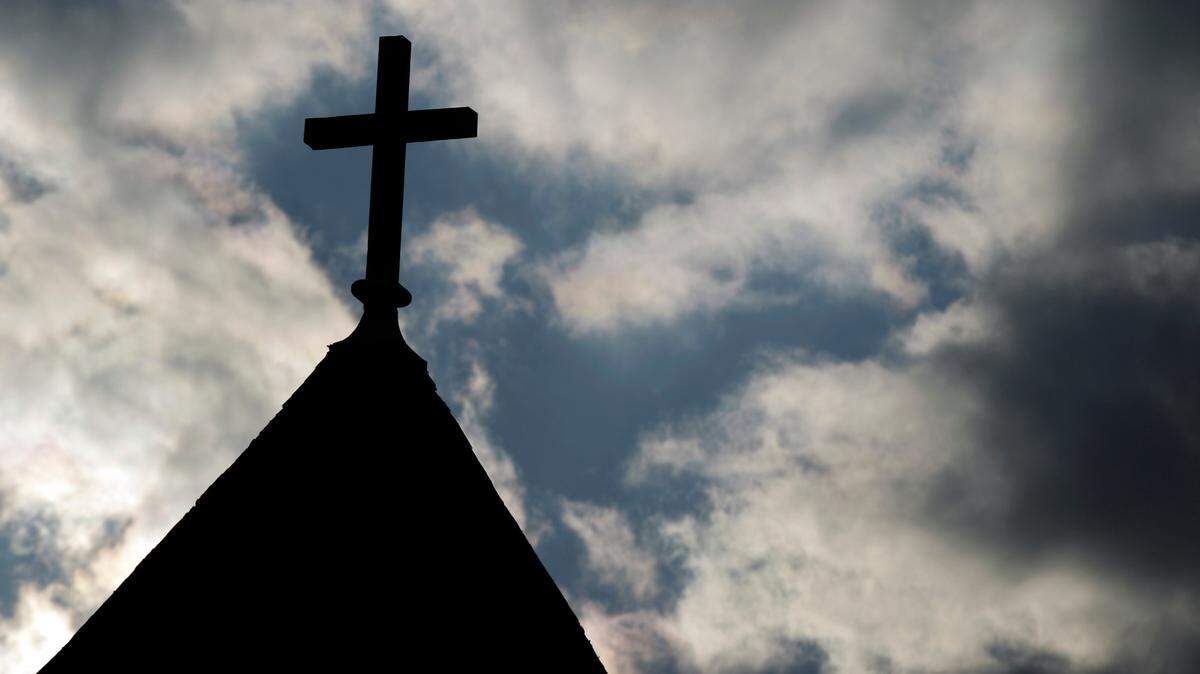
When we have wronged others, common decency demands that we right the wrong. Diversity, equity and inclusion efforts are not simply one more left-right spat in the on-going culture wars. For many of us in the faith community, they are the attempt to make required atonement for sin. Human efforts to atone for sin, no matter how imperfectly executed, cannot be erased by government fiat.
Our nation has grievously mistreated Native Americans, African Americans, women and other minorities through history. To make rightful amends, our institutions began efforts to diversify their staff, ensure equal treatment of all and to be more inclusive of minorities. The effort became known by the acronym DEI, short for diversity, equity, and inclusion.
Vilifying those efforts, President Donald Trump and his advisors and a number of state legislatures have ordered them eradicated from government, academia, military, businesses and non-profits. The purgers’ mantra has been: We’re diverse enough! Calls for inclusion and equality are Marxist attacks on the merit system. America is great again! We don’t need to feel guilty, or to atone for anything.
Injustices were committed, though, and a valid question is: How is adequate atonement determined?
There is an anecdote about a saint in the Catholic Church named Jean-Marie-Baptiste Vianney (1786 – 1859). Referred to as the “Curé d’Ars,” this humble village priest was known for being a wise spiritual advisor.
One day a woman confesses to him that she has slandered another townswoman. Because the sacrament of penance requires that the penitent make reparations, the priest instructs her to take a pillow up to the church’s bell tower, cut it open and scatter the feathers into the wind. Puzzled, the woman nevertheless complies. She then returns to the priest and asks for her absolution.
“Well, you haven’t quite finished your penance,” Vianney tells her. “You need to first go and retrieve all the feathers that you scattered.”
“But that would be impossible,” exclaims the exasperated woman.
“Yes it would,” replies the confessor, adding: “God certainly forgives you, my child; but I wanted you to see that there is no way you can adequately right the wrong and compensate for the damage caused by your calumny. Going forward, though, you must continue to take steps to atone for the sin committed.”
The steps made so far by DEI to right discrimination have not even come close to fair and adequate reparation. Yet they are being halted by people who cannot own up to the fact that centuries of injustice have hamstrung minorities socially and economically. They bristle at the thought of any inconvenience caused by the attempted redress of grievances.
People of conscience in government, corporate, private, religious, academic and non-profit institutions must forge ahead with DEI practices aimed at correcting historic injustices. These are a country’s honest attempt to right historic wrongs. The efforts, even if not always perfectly tuned or implemented, constitute a faith-filled nation’s requisite and long overdue atonement for sin.