
Changes at FEMA raise local worries as hurricane season begins in North Carolina | Opinion
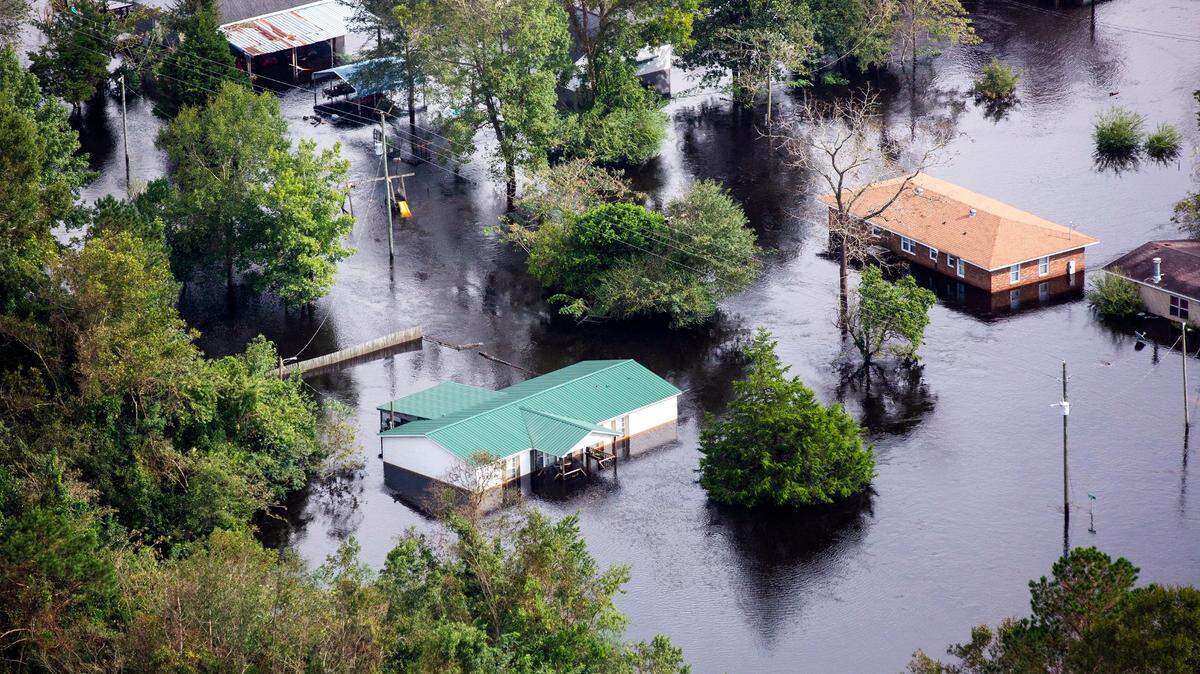
The start of hurricane season can send a shiver through eastern North Carolina, a region pounded in the last decade by two supposedly once-in-a-century storms — Matthew and Florence.
But as the six-month season officially opened on June 1, there’s reason to fear not just the coming of devastating winds and flooding, but also the lack of federal help.
Staffing at the Federal Emergency Management Agency (FEMA) has been reduced through terminations and voluntary retirements and the Trump administration is considering reducing the share of recovery costs the federal government will pay.
But the clearest cause for worry is in western North Carolina, where the Trump administration is balking at providing expected funding to support recovery from Hurricane Helene.
North Carolina’s Rep. Deborah Ross (D-2nd) led a bipartisan group of House members from the Southeast who wrote to the Trump administration urging it to replenish FEMA’s disaster relief fund, which is about to run out of money months before the end of the fiscal year. The lawmakers have received no reply
Ross said in a statement: “Donald Trump visited western North Carolina during his first week in office, looked hurricane victims in the eye, and promised them his full support. His administration has abandoned communities hit hard by Hurricane Helene.”
In the small town of River Bend on the Trent River near New Bern, Town Manager Delane Jackson said the uncertainty around federal disaster relief has given this hurricane season a sharper edge of anxiety.
“We are really on high alert because of what is happening at FEMA,” he said. “It’s not a matter of if, it’s a matter of when a hurricane is going to strike.”
River Bend knows what hurricanes can do. When Hurricane Florence hit in 2018, flooding from the Trent River damaged a third of the town’s 1,500 homes.
Jackson added, “I don’t have confidence that if something were to happen, the federal government would be there to hold hands along the way.”
In Shallotte, a western Brunswick County town of 5,000 about five miles from the coast, Mayor Walter Eccard said less federal support would leave his town in “a very difficult situation.”bHe said, “It’s an area of worry for me because they’re a valuable partner in our (recovery) efforts.”
In Wilmington, a city cut off by Florence for four days, Mayor Bill Saffo said he is nervously watching the problems with disaster relief in western North Carolina and FEMA’s changes in Washington.
“You get around hurricane season and you don’t know if one of your main agencies is going to be around for you,” he said. “We’re very concerned about it. Everybody should be.”
Some at FEMA acknowledge that the agency enters this hurricane season with a hindered ability to respond. CNN recently reported on an internal report that said, “As FEMA transforms to a smaller footprint, the intent for this hurricane season is not well understood. Thus FEMA is not ready.”
But Rep. Greg Murphy (R-3rd), whose district covers much of the state’s coastal area, welcomes the shakeup at FEMA. He said in a statement: “FEMA has become an overly bureaucratic and unreliable agency that has shown a failure of getting resources to the people who need it in a timely manner. The system needs reform.”
Murphy said changing FEMA will not restrict a full response. He said he and his team are “working to ensure manpower and funding will be ready to meet any disaster that may afflict our state.”
As the federal government steps back from disaster relief, the potential damage from hurricanes grows.
Stan Riggs, a retired East Carolina University professor and one of the state’s leading experts on coastal geology, said increased building in vulnerable areas means devastating damage is inevitable. “It’s like having a picnic on the interstate,” he said.
Providing hurricane relief funding is essential, he said, but the government should also be investing more in making the state less vulnerable.
Instead, the risk is rising, the response is fading and this hurricane season is becoming increasingly anxious.