
Raleigh approved police raises. Now council must commit to sustained investment | Opinion
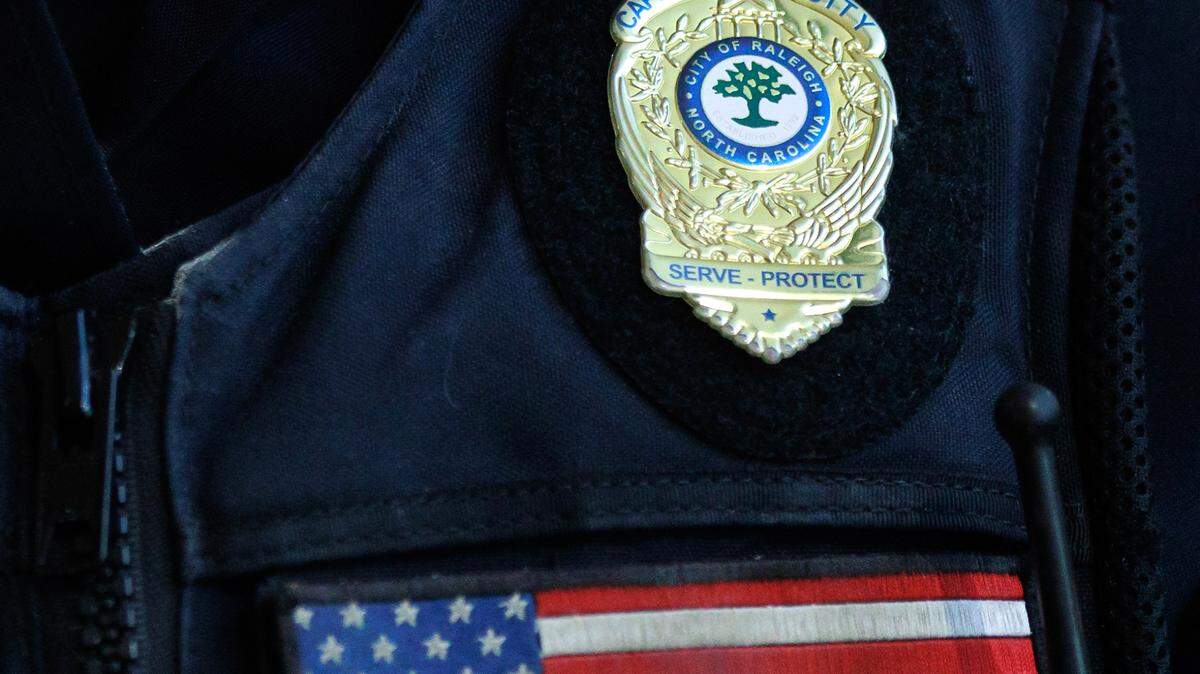
Raleigh’s growth is a credit to thoughtful leadership and sound planning. But every city reaches inflection points — moments when progress requires renewed focus on the fundamentals. Everything we count on to enjoy life in Raleigh — safe neighborhoods, vibrant downtown, thriving businesses — relies on public safety. After years of under-investment, Raleigh now has an opportunity and a responsibility to build on this year’s progress and strengthen the foundation for long-term public safety.
We’re encouraged by the budget’s inclusion of long-overdue pay increases for Raleigh police — a step in the right direction. But it’s only a start. Raleigh will need to do more to compete for talent and build a highly trained force equipped to serve a city of this size.
Even with higher starting pay, we’re still hundreds of officers short. The city’s own estimates suggest a gap of 200 to 400 officers. While a full staffing analysis is underway, the current reality is undeniable and felt daily by residents and businesses: Our police force is stretched too thin. Delayed response times and limited coverage aren’t just operational challenges — they are issues of public trust.
To put it in perspective: 25 years ago, Raleigh had 777 officers serving a population of 280,000. Today, that number has dropped to roughly 725 officers, despite the population nearly doubling to around 500,000.
As representatives of Raleigh’s small businesses, hospitality sector and public safety advocates, we see the consequences of under-investment. Restaurant owners deal with repeat break-ins. Employees worry about walking to their cars after dark. Visitors share concerns about safety downtown. These experiences hurt morale, stall growth and chip away at our city’s reputation.
When crime — or even the perception of crime — keeps people from coming downtown, it creates a chain reaction. Offices go unused. Retail and restaurants lose foot traffic. Over time, vacancies increase and property values fall. When the value of commercial property drops, homeowners are left to pick up the burden.
We’ve seen it happen. In Boston, declining downtown activity has forced over $1 billion in new tax burden onto homeowners. It’s a stark reminder: When safety slips and businesses start to leave, the financial cost to residents can be staggering. Raleigh is not immune. We risk the same cascading consequences, not just for safety, but for affordability and livability.
The 11% pay raise in the budget is a meaningful step, but it won’t be enough on its own. We respect the city’s decision to avoid a tax increase this year. But without additional investment, we risk falling further behind. That’s why this year’s budget should be viewed as the first step in a multi-year plan. A dedicated one-penny increase each year over the nextthree to five years — an increase of about $40 a year for a $400,000 home, or roughly 1% of the average annual tax bill each year — would substantially increase headcount and equip officers with the modern tools and training they need.
There are other smart solutions within reach. One promising proposal, currently being considered at the state level, would allow officers eligible for retirement to remain on the job without forfeiting a portion of their retirement benefit, known as a separation allowance. This common-sense legislative measure would keep veteran officers in service, easing pressure on existing staff, while helping rebuild capacity without waiting for long-term recruitment cycles to catch up.
The time for deliberation has passed. The need is clear, and so is the public’s expectation. Public safety was the top concern for voters across all districts in last fall’s election. This budget was the council’s first real chance to act on that mandate. And while they took a step in the right direction, the true test of their commitment is still ahead.
We urge the Raleigh City Council to move beyond a one-time raise and commit to a multi-year strategy to close our staffing gap and restore public trust. That means sustained investment, better planning and the courage to act on what we already know: A safe city doesn’t happen by accident. It’s the result of long-term commitment by leaders willing to invest and follow through on bold choices.
Raleigh has everything it needs to be a national model of growth and livability, but only if we protect the foundation first.
This story was originally published June 11, 2025 at 5:00 AM.