
Juneteenth reminds us Black mothers have always protected our stories from erasure | Opinion
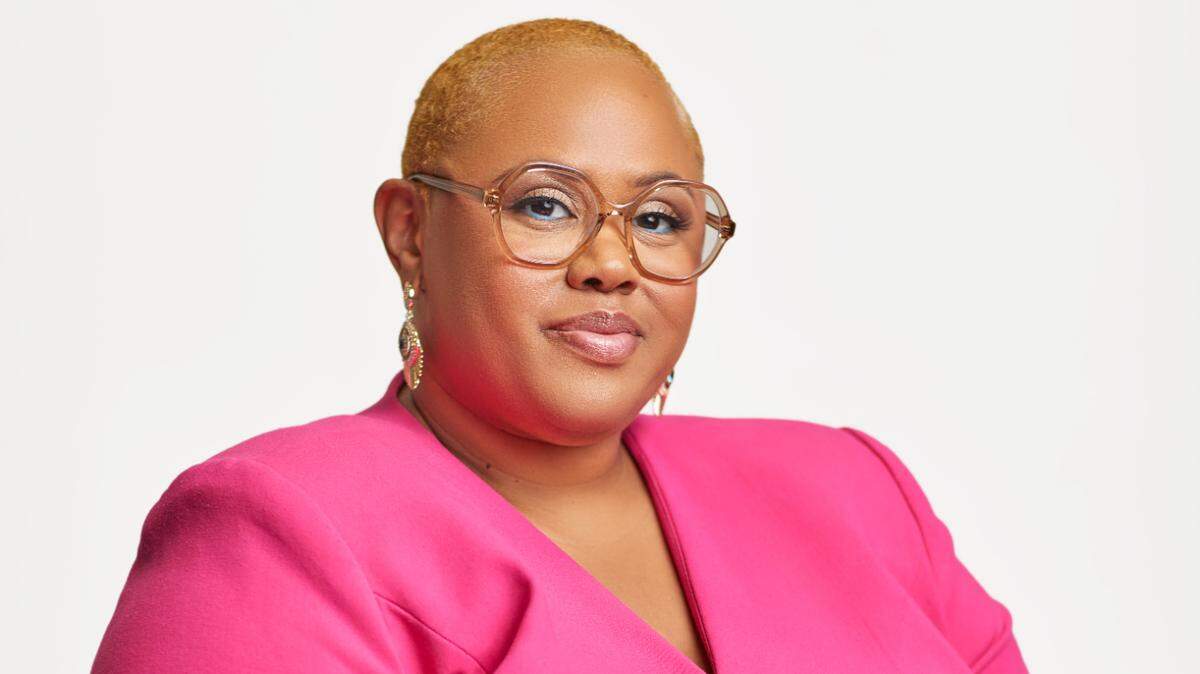
My 9-year-old son asks questions that cut straight to the heart of things. When Emerson wants to know why people want to ban books with kids who look like him, I think about my grandmother. She was one of the first Black nurses to graduate from the University of Memphis graduate program, back when that meant something different than it does today. She didn’t just break barriers — she understood that her presence in those hospital halls was itself a story that needed telling.
My grandmother made sure I knew our real stories were worth keeping alive. She’d tell me about patients who trusted her with their lives, about professors who doubted her capabilities, about the quiet dignity required to prove herself over and over again. Those weren’t just family stories. They were freedom stories, the kind that show us we’ve always belonged in spaces others tried to deny us.
This Juneteenth, as we mark that delayed news of freedom reaching Texas in 1865, I’m thinking about how Black mothers have always been the keepers of our narratives. We’ve preserved what others tried to erase, not through grand gestures but through bedtime stories and dinner table conversations. My grandmother knew this instinctively — every patient she served, every barrier she broke became a chapter that couldn’t be legislated away.
But now, here in North Carolina, our ability to preserve and share these stories faces direct legislative attack. House Bill 636 passed our state House in April, requiring community committees to review school library books. Parents can now sue districts for $5,000 per violation if they don’t comply. According to PEN America, North Carolina saw 61 book bans across seven districts this past school year, hitting Charlotte-Mecklenburg, Wake County and districts statewide.
House Bill 595 goes even further, threatening librarians with Class 1 misdemeanor charges for distributing materials deemed harmful to minors. When professionals with master’s degrees face jail time for doing their jobs, we’ve moved beyond policy into intimidation. The fear is already working — librarians across the Triangle are preparing for challenges that haven’t materialized yet, spending time justifying their expertise instead of helping students learn.
This legislative assault on our stories isn’t coincidental. It targets the same preservation work Black mothers have always done. We’ve taught resistance through lullabies, passed down liberation through the simple act of seeing our children whole. When my 14-year-old son Langston immerses himself in Japanese mythology and samurai tales, I connect those ancient stories of honor and courage to our own family narratives. We’re not fighting for inclusion in someone else’s story — we’re insisting on our right to tell our own.
Just like my grandmother understood that representation in professional spaces mattered as much as representation in books, I see this clearly at Liberation Station Bookstore. North Carolina children discover stories that mirror their faces, their families, their possibilities. Books like “All Boys Aren’t Blue” and “The Hate U Give” — both frequently challenged here — don’t corrupt young minds. They offer lifelines to kids who need to see themselves surviving and thriving exactly as they are.
When Emerson asks why people want to ban books about kids like him, I explain that some people fear stories showing Black children as complex, brilliant beings deserving of love. These aren’t dangerous books. They’re necessary ones. They prove to children that their experiences matter, that they belong in this world exactly as they are.
The connection between my grandmother’s pioneering work and today’s book challenges is clear: both represent battles over who gets to control our narratives. She fought to prove we belonged in healing spaces; we’re fighting to ensure our children see themselves in literary spaces. Both struggles recognize that representation isn’t just about visibility — it’s about survival.
Juneteenth matters beyond commemoration because it reminds us that freedom wasn’t gifted to us — it was always ours, just delayed and denied. It calls us to ensure North Carolina’s children have unrestricted access to their stories, especially in public libraries and schools.
The revolution happens in quiet moments. When we read our children books where they’re heroes. When we create spaces like Liberation Station Bookstore where Black joy gets centered instead of footnoted. When we refuse to let fear determine what stories our kids can access in Wake County schools or Charlotte libraries.
When legislators try to erase our contributions, sanitize our struggles or reduce our experiences to comfortable narratives, we remember something crucial: we’ve always authored our own freedom. These North Carolina legislative efforts will fail, not because our resistance is loud, but because our preservation runs deep.
This Juneteenth, I’m celebrating more than delayed freedom. I’m celebrating the unbroken line of Black women like my grandmother who ensured that when freedom arrived, we remembered exactly who we were. That memory — carried through professional achievements, bedtime stories and fierce love for our children — survives every attempt at erasure.
No law can legislate away what we pass down through generations. Our stories live in the spaces between words, in the love we wrap around our children, in our quiet determination to keep our narratives alive. That’s the victory worth celebrating.