Chantal flooding shows NC still has much to learn from Helene tragedy | Opinion
AI-generated summary reviewed by our newsroom.
- Tropical Depression Chantal echoes the lessons of Helene
- After successive climate disasters, NC senators are working to move back climate deadlines
- North Carolina should fight climate change with flood mitigation and as well as recovery.
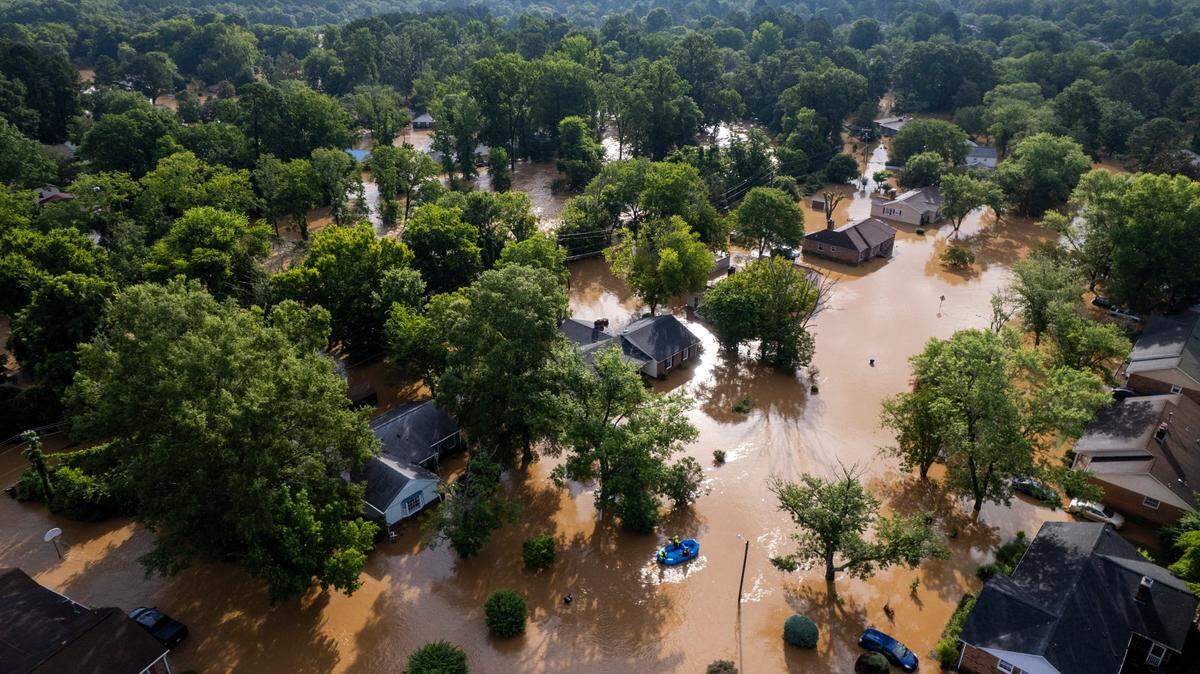
The devastation caused by Tropical Depression Chantal shows that North Carolina may not have learned its lesson from Hurricane Helene. Chantal poured high amounts of rain in Chatham, Alamance and Orange counties last weekend, causing deadly flooding in inland parts of the state that aren’t used to or prepared for it.
Residents died, homes were destroyed and storefronts are waterlogged. If it sounds familiar to the Hurricane Helene tragedy on a smaller scale, that’s because it is. The same factors that caused Helene likely caused the flooding we saw this week.
Similar to Helene, the flooding from Tropical Depression Chantal may have been influenced by climate change. The Environmental Protection Agency lists heavy precipitation as a climate change indicator. Rainfall intensity in the Raleigh-Durham area rose 21% since 1970, according to Climate Central. The quantity of rain that fell in central North Carolina during the storm broke records.
Hurricane Helene still has a deep mark on western North Carolina. More than 100 North Carolinians died, and it caused nearly $60 billion in damage. Asheville was described as a “climate haven,” a place supposedly safe from extreme weather events; the worst damage from hurricanes isn’t supposed to happen hundreds of miles inland, but it did. Torrential rainfall caused historic floods that leveled entire towns. The rainfall in the region was as much as 10% more intense due to climate change, according to the National Ocean and Atmospheric Administration.
Helene alone should have illustrated why North Carolina needs to do more to fight climate change. It taught us that flooding from tropical systems was no longer just a coastal risk, and that winds and storm surge aren’t the only deadly threats posed by hurricanes. We learned that lives and livelihoods could be lost unless there was proper preparation and commitment towards environmental goals. Chantal is yet another reminder.
Lawmakers are ignoring these environmental tragedies by passing a bill moving back a deadline for tackling climate change. Senate Bill 266 aims to eliminate the interim goal of reducing carbon dioxide output by 70% by 2030, instead delaying the goal of carbon neutrality to 2050. Gov. Josh Stein vetoed the bill, but there is still a risk of the legislature overriding it. Sens. Warren Daniel and Timothy Moffitt are two of the primary sponsors of the bill. Senator Daniel represents Buncombe County, where Helene killed 43 people. Sen. Moffitt represents Henderson County, which lost 12 to Helene.
North Carolina learned some lessons in the aftermath of the hurricane. The state invested heavily in rehabilitation, offering millions of dollars towards economic and housing recovery and rehabilitating waterways. Millions of dollars were assigned to projects that would reduce flood risks in some of the most vulnerable parts of the state. That was a step in the right direction, but a more comprehensive approach is necessary to ensure the safety of all North Carolinians, including improved weather service reminders and improved flood basins or dams.
N.C. Sen. Graig Meyer represents Orange County, which suffered much of the Chantal storm damage. Meyer said it was early to tell the type of prevention aid that could have been offered for Chantal, but he was “concerned” about Senate Bill 266 and said North Carolina cannot turn away from the commitments it has made to addressing climate change.
“We will always do everything we can to help people recover,” Meyer said. “The question is will we do everything we can to prevent the death and destruction?”
North Carolina deserved a stronger commitment to addressing climate change after Helene. It deserves it now, after Chantal. The course of our ways is producing the same results. Instead of retreating from climate policies, we need to do the opposite. We can’t afford not to.
This story was originally published July 10, 2025 at 3:15 PM with the headline "Chantal flooding shows NC still has much to learn from Helene tragedy | Opinion."