
Republicans are right to save NC cities from themselves | Opinion
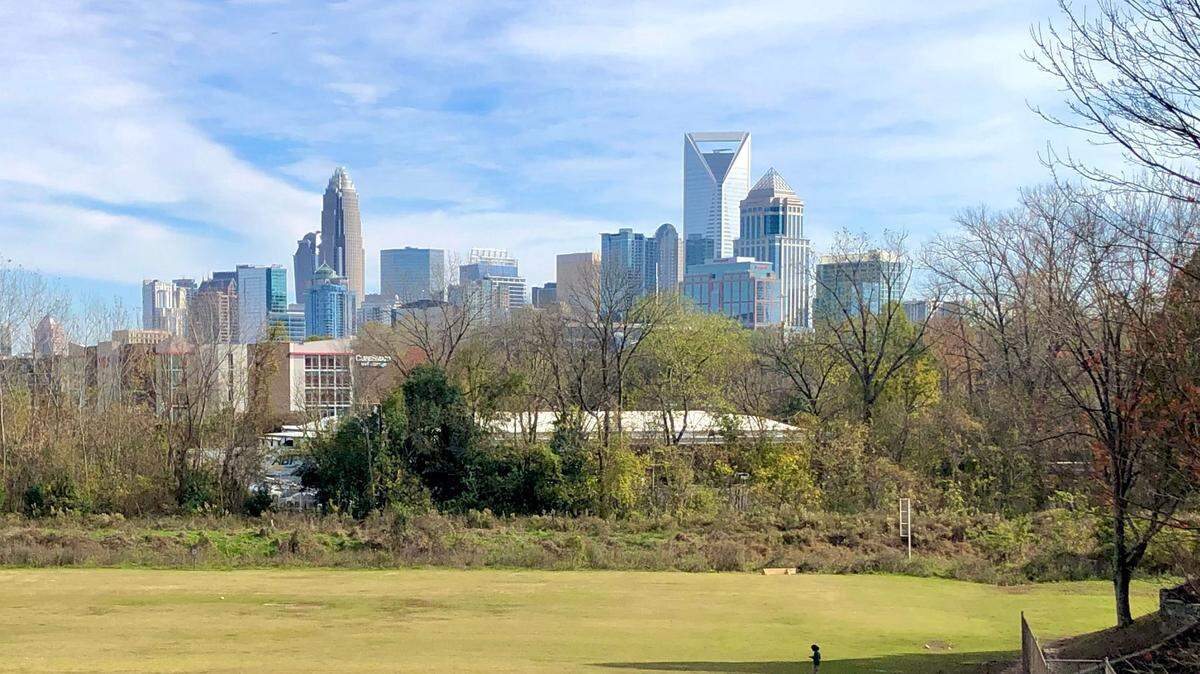
As politics have grown more polarized, it’s become easier for Republicans to write off cities as lost causes — either chaotic hellscapes or hopelessly woke. But neither caricature quite fits in North Carolina.
Charlotte is still booming. Raleigh remains one of the most desirable places to live in the country. Greensboro, Winston-Salem, even Asheville, all still have strong civic bones. But it doesn’t take much to break them.

City governments don’t stay moderate by default. Left to their own devices, they drift: toward ideology and performative politics, with less transparency and weaker accountability. And once that drift reaches a tipping point, it’s hard to pull a city back.
We’ve seen what that looks like elsewhere. The West Coast has long been known for this, and now it’s arrived in New York, where socialist state lawmaker Zohran Mamdani just won the Democratic primary for mayor on a platform of rent control and state-run groceries.
That’s not a warning from another world. It’s a glimpse into our future, if we’re not careful.
Thankfully, North Carolina isn’t waiting until things fall apart. The General Assembly is right to start installing guardrails — quietly, firmly and just in time.
What guardrails look like
Two recent efforts show how smart, targeted oversight can work — both tied to sales tax hikes in urban counties.
In Guilford County, commissioners put forward a quarter-cent tax “for education,” but the ballot language didn’t actually require the money to go to anything specific. So lawmakers passed House Bill 305.
Now if the referendum passes, the funds must be used for teacher salary supplements, fire protection and capital improvements at Guilford Tech. The allocations are clear, and the oversight is built in.
Charlotte’s “roads first” transit plan got a similar course correction. City leaders proposed a 1-cent sales tax to fund transportation, but the city manager admitted the new money would likely replace existing road spending, not increase it.
So the legislature amended the bill: Charlotte and its surrounding towns must maintain current roads funding before touching any new tax dollars. It’s a safeguard against bait-and-switch budgeting — something the public still hasn’t forgotten from the state lottery.
Neither of these moves are dramatic, but they send a clear message: The General Assembly is paying attention. If soft nudges don’t work, firmer hands may follow.
The shift on local control
Yes, all this marks a shift from the old GOP gospel of local control. But that principle was always a means, not an end.
There’s a deeper debate among conservatives today about what we’re really conserving: Is it classical liberalism, with its emphasis on process and restraint? Or a thicker form of civic order rooted in tradition, competence and moral responsibility?
Either way, the answer’s the same: disorder isn’t an option. Conservatism isn’t about standing back while institutions decay. It’s about protecting the framework that allows communities to function.
Sometimes that means stepping in, especially when cities start drifting from self-government to self-sabotage. A well-run city doesn’t need a babysitter. One that slips into dysfunction, secrecy or showmanship absolutely does.
The bigger threat is unseriousness
We’ve already seen the cost of letting dysfunction go unchecked. In 2020, protests in cities across North Carolina unraveled into riots. Charlotte, Raleigh, Durham and Asheville all saw vandalism, looting and direct attacks on police.
Those have abated, but crime is still a concern, even if the data shows some mixed trends. But the bigger, more immediate threat in urban governance isn’t lawlessness — it’s unseriousness.
That looks like unfocused budgets and bloated agendas. Like performative policymaking and unchecked internal dysfunction. Charlotte, once known for pragmatic, business-friendly governance, is veering into the same ideological cul-de-sacs that have swallowed other big cities.
You can’t ask for taxing authority and then funnel the money into vague priorities. You can’t demand autonomy while whiffing on public safety.
If state lawmakers step in, it isn’t about punishing ambition. It’s about enforcing basic competence. If cities won’t protect public trust, someone has to.
The General Assembly is starting to show what a modern conservative response to urban drift can look like. It’s not obstruction, but engagement and clear, enforceable guardrails. The stakes are small now, but will only get larger.
North Carolina has a chance to keep its cities functional — and sane. That’s not overreach. That’s what it means to conserve.