
We can’t make America healthier while letting NC children go hungry | Opinion
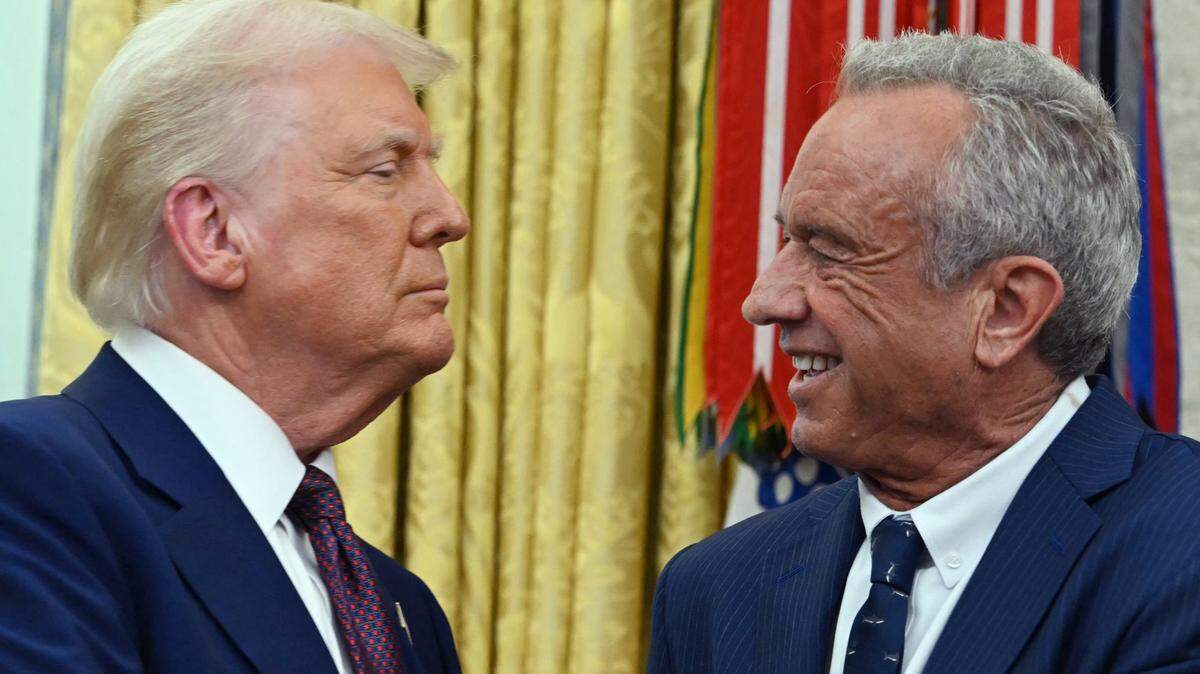
As the federal government reimagines public health through the Make America Healthy Again (MAHA) initiative, a troubling contradiction is emerging: While the rhetoric supports better nutrition, the reality includes deep budget cuts that threaten the very programs making school meals possible.
Led by Health Secretary Robert F. Kennedy Jr., MAHA includes several promising proposals aimed at improving children’s health. Stronger dietary guidelines, increased scratch cooking and expanded support for farm-to-school programs are welcome shifts that could significantly benefit students across the country.
But these goals are being undermined before they even take root. Earlier this year, the first wave of cuts came from the Department of Government Efficiency, which slashed federal support for school meals. In March, the United States Department of Agriculture canceled both the Local Food for Schools Cooperative Agreement Program and the Local Food Purchase Assistance Program, eliminating more than $1 billion in funding that brought fresh, local food to schools and food banks. These losses hit rural districts and local farmers especially hard, dismantling the very infrastructure MAHA aims to strengthen.
Now, a second and more devastating blow looms.
The One Big Beautiful Bill Act, signed into law by President Donald Trump on July 4, proposes sweeping changes to the Supplemental Nutrition Assistance Program, or SNAP, and Medicaid — programs that directly determine school meal access for millions of children.
In North Carolina, more than 850,000 students qualify for free school meals because their families participate in SNAP or Medicaid. If those benefits are lost or restricted, families will be forced to navigate complex applications and income verification processes just to access school meals. We know what happens next: children fall through the cracks.
It also puts schools at risk of losing access to the Community Eligibility Provision, which allows them to serve free meals to all students without collecting individual applications. When fewer students are enrolled in SNAP or Medicaid, fewer schools qualify — meaning even more children could lose access to school meals.
And when children go hungry, they can’t focus, learn or thrive. Research shows that students with consistent access to nutritious school meals perform better academically, have fewer behavioral issues and show improved mental health. Hunger holds kids back.
The numbers are sobering. Over 1.4 million North Carolinians — including 600,000 children — rely on SNAP. The One Big, Beautiful Bill Act could cost North Carolina $420 million just to preserve current benefits. New rules will push thousands of families, particularly in rural communities, off the rolls entirely. The impact will ripple through local economies: every $1 in SNAP spending generates up to $1.80 in economic activity. When families lose benefits, communities lose stability.
The act’s Medicaid proposals are equally harmful. By capping federal support and imposing new work requirements, the plan threatens coverage for working parents, caregivers and even students. Rural hospitals and community clinics — already stretched thin — will be pushed closer to the brink.
How can we claim to support healthy food in schools while dismantling the systems that deliver that food and the support families need to access it? We can’t promote farm-to-school programs while cutting USDA staff and procurement funding. We can’t expand scratch cooking while stripping away the programs that ensure kids have full stomachs.
Here in North Carolina, our School Meals for All coalition is working to hold the line. Gov. Josh Stein and key legislators have stepped up to champion school breakfast funding and farm-to-school investments. But even the strongest state-level efforts need a solid federal foundation.
You can’t make America healthy by making it hungrier. Congress must match the presidential administration’s health rhetoric with meaningful investments. When we put children first, North Carolina and our country get stronger.
This story was originally published July 24, 2025 at 5:00 AM with the headline "We can’t make America healthier while letting NC children go hungry | Opinion."