
Roy Cooper starts his Senate run with a dishonest pitch | Opinion
Roy Cooper has always been better at telling stories than delivering results.
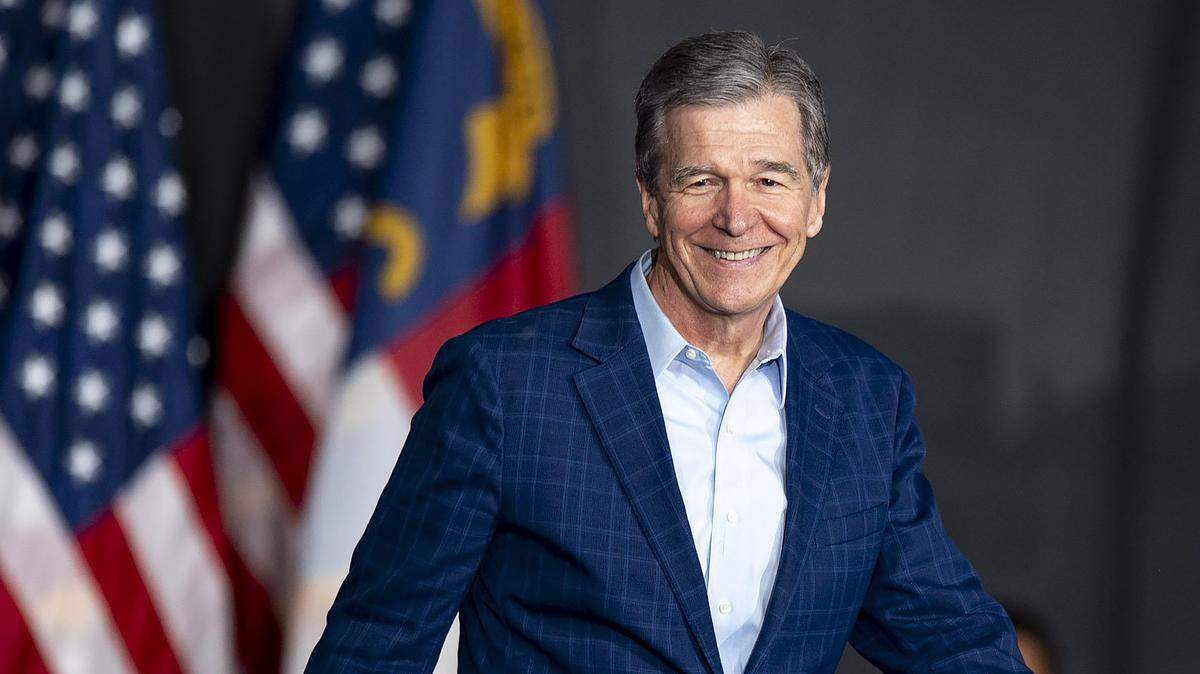
This morning, the former governor launched his U.S. Senate campaign with a polished video and a nostalgic message: Life used to be good, and it’s time we got it back. And who better to do that, he suggests, than the small-town son of a schoolteacher and a gentleman farmer, shaped by hard work and service.
It’s a compelling narrative. But like much in politics, it’s a carefully constructed fiction.

The image Cooper sells — calm, competent and above the fray — collapses under the weight of his actual record. Cooper is not a unifier, but a calculating political operator who let North Carolina down when it mattered most.
If Cooper wants to run on that record, North Carolina should take him up on the offer.
Cooper wants credit, not responsibility
In his launch video, Cooper trots out a string of largely empty claims. He boasts that North Carolina balanced its budget every year under his watch, without mentioning that the state constitution requires it, and that he played little role in the fiscal discipline that made our state a success.
He says he “worked with Republicans to raise teacher pay.” But in reality, he vetoed nearly every budget that included those raises. Then, when they passed without his support, he tried to take a victory lap anyway. That’s not leadership, but revisionism.
The launch is also notable for what it leaves out: the Cooper administration’s failures in disaster response. He came into office shortly after hurricanes devastated eastern North Carolina. His administration created a sprawling new recovery agency that racked up hundreds of millions in overruns. Projects went unfinished. Victims waited years for help that never came.
Then, when Hurricane Helene struck western North Carolina, the state’s response faltered again.
But that fits him. Cooper governed with the instincts of a campaign consultant, not a problem-solver — more focused on managing image than on delivering results. When things broke, he built bureaucracy. When questions came, he shrugged off blame.
None of North Carolina’s most significant policy achievements over the last decade, from economic growth to tax reform and infrastructure investment, can be traced to Cooper. In many cases, he actively opposed them. But when the results came in, he stood in front of the cameras anyway.
Now he’s running for higher office — and hoping voters won’t notice.
The man with all the answers
In his announcement, Cooper says he “never really wanted to go to Washington.” I actually believe him; not because he’s humble, but because he’s spent four decades cultivating power as a state lawmaker. That long in the arena tends to convince a person the fight can’t go on without them.
But the U.S. Senate is not a stage for projection. It’s a test of substance.
What did Cooper actually accomplish in eight years as governor? What changed for the better because he was there? How did his style of governance prepare him for national leadership?
The answers aren’t in his campaign video. They’re in the record he’s hoping no one looks too closely at.
Cooper wants to be Terry Sanford. But he might end up like Jim Hunt
North Carolina has a long tradition of governors seeking a second act in the Senate — and not all of them succeed.
Cooper would love to take the path of former Gov. Terry Sanford, who cast himself as a visionary who modernized North Carolina, elevated education and brought moral seriousness to public life. In 1986, Sanford entered a tough Senate race against Republican Jim Broyhill — with President Ronald Reagan himself campaigning for Broyhill multiple times. Sanford won anyway.
But he could go the route of Jim Hunt — the longest-serving governor in state history. Hunt’s popularity as governor didn’t translate when he ran for Senate in 1984. Sen. Jesse Helms turned that race into a referendum on national liberalism, and Hunt, caught off guard by the scale of the fight, lost decisively.
That’s not a knock on Hunt’s legacy. But what works in a race for state office doesn’t always work in a contest for a national seat. Senate races don’t reward persona. They reveal substance or punish the lack of it.
Cooper is stepping into a national spotlight with a record that’s never been tested outside state politics. He believes his carefully managed persona can carry him all the way to the Senate. And if North Carolinians don’t pay close attention, it might.
But this race will be bigger than the Cooper brand. And before he promises to fix Washington, he needs to account for what he did — and didn’t do — with the power he already had.
Contributing columnist Andrew Dunn is the publisher of the Longleaf Politics newsletter, which offers thoughtful analysis of North Carolina politics and policy from a conservative perspective. He can be reached at andrew@longleafpol.com
This story was originally published July 28, 2025 at 11:55 AM.