
New North Carolina DMV audits show classic government failure | Opinion
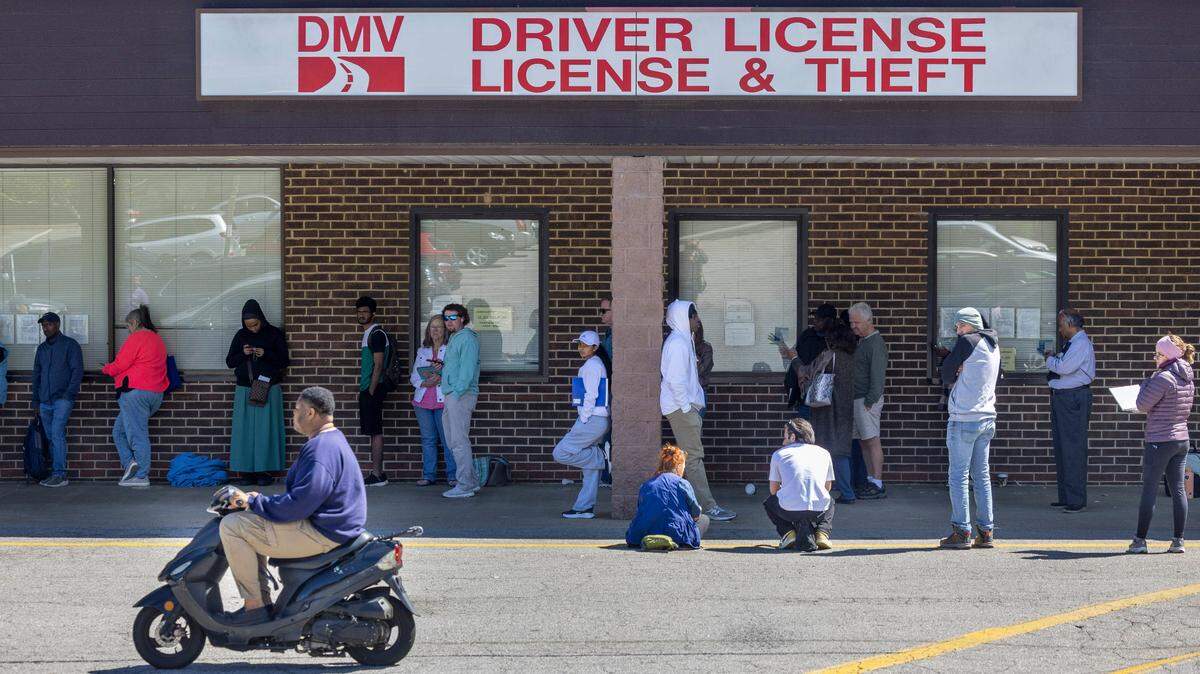
North Carolinians didn’t really need an audit to know the DMV was broken. But now we have the data, and it confirms just how badly the state let things slide.
Two sweeping reports released Monday by State Auditor Dave Boliek offer the clearest view yet of how the agency drifted into dysfunction. Across more than 500 pages, they paint a portrait of government at its worst: slow, confusing, outdated, and unable to fix itself.
The top-line findings are bleak but unsurprising. The average DMV visit now lasts 75 minutes, and that’s once you get in the door. In rural counties, residents often drive more than an hour just to stand in line. Since 2003, North Carolina’s population has grown by more than 2 million people. The number of license examiners has stayed flat.
The behind-the-scenes picture is even worse: a $42 million tech “modernization” effort that went nowhere. A DMV still stuck on mainframe systems older than most of the customers trying to use them — an agency, as the audit put it, “frozen in time.”
We often say government should run more like a business. That metaphor can be overused. Police departments don’t fit a profit model, and shouldn’t. But the DMV? It’s about as close to a business as public service gets.
People show up with a task. The state gets paid to complete it. That’s a transaction. Efficiency matters, and so does showing people that their time has value.
What happened at the DMV is what would happen if a fast-food chain spent all its energy on supply logistics, but forgot to staff the register.
Plenty of blame to go around
“No one person has caused this crisis. And no one person can solve the crisis,” former DMV commissioner Wayne Goodwin told me — and he’s right.
The audits don’t directly assign blame, but it’s hard to read them without doing so.

Goodwin became the public face of the agency’s collapse, and not without reason. Under his watch, wait times soared and strategic planning stalled. After a series of blistering legislative hearings, he chose not to reapply for his role.
To his credit, he’s not pretending this is a surprise. “Boliek’s findings are spot on,” he told me. “The auditor reaffirmed and validated what I’ve been saying — to the legislature and to the public at large — for my entire three-and-a-third-year tenure.”
He says he hit roadblocks. But that’s the job. The mark of a successful executive is the ability to navigate those roadblocks, or push through them.
And while Goodwin bears his share of the responsibility, the DMV’s failures didn’t start or end with him.
Start with the Department of Transportation, which houses the DMV but repeatedly sidelined its needs. Between 2019 and 2025, the DMV requested 130 new examiner positions. DOT passed along only 40. The rest never even made it to the General Assembly.
The state spent $20.5 million on contracts with Boston Consulting Group for improvement planning without involving DMV leadership in the process.
Or look to the state’s IT apparatus. Of 46 modernization projects, many were poorly planned or abandoned. One critical upgrade didn’t begin because the state hadn’t purchased the necessary software. Another was paused midstream. A third burned through millions before being scrapped.
The agency lost 124 business days to network outages between January 2024 and April 2025, about a third of the working year.
Then there’s the legislature, which underfunded the agency for years, even as population and demand surged. And former Gov. Roy Cooper, who never treated the DMV like the turnaround job it clearly was. It became an afterthought.
Promises made, promises kept
One person who did follow through: State Auditor Dave Boliek.
He ran for office on a promise to investigate the DMV. And just months into his first term, he delivered. His office produced more than 500 pages of clear, candid analysis—not just naming problems, but offering real solutions. Performance dashboards. Staffing reforms. A recommendation to separate the DMV from DOT entirely.
This is what public service should look like: competent, transparent, and useful.
Now comes the hard part. Someone has to act on it.
The DMV is what failure looks like when no one takes responsibility. If that doesn’t change, it won’t be the last.
Contributing columnist Andrew Dunn is the publisher of the Longleaf Politics newsletter, which offers thoughtful analysis of North Carolina politics and policy from a conservative perspective. He can be reached at andrew@longleafpol.com.