
NC police shouldn’t be able to use marijuana smell to search people. Here’s why | Opinion
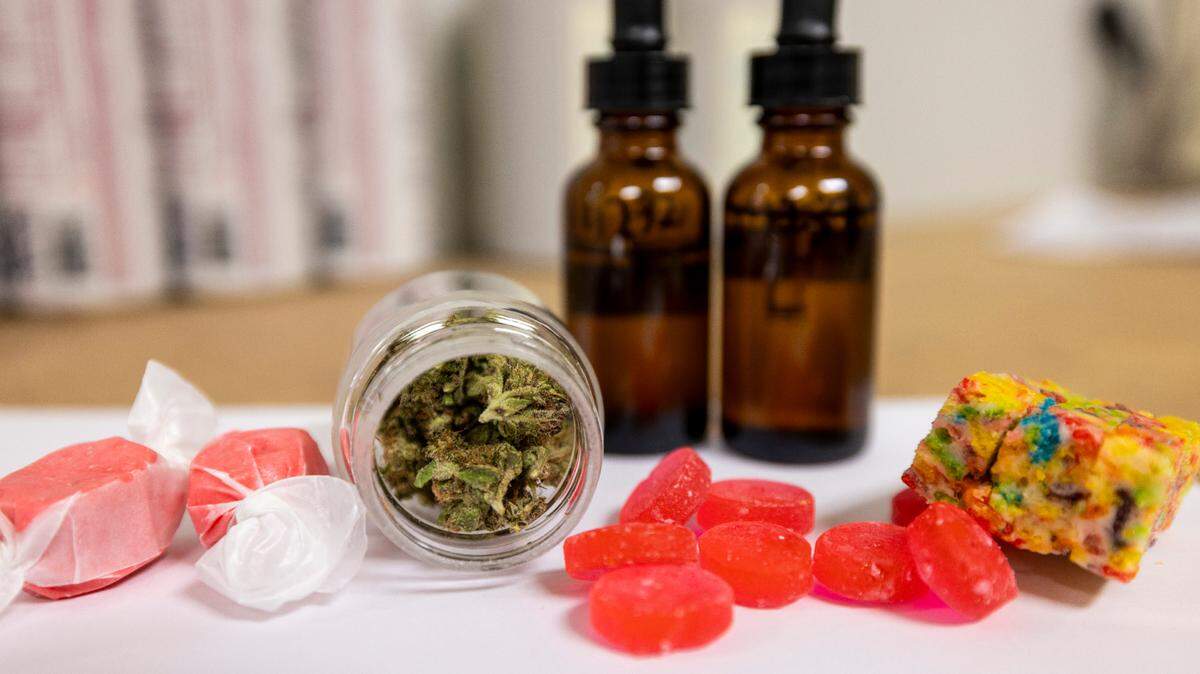
Today, people in North Carolina purchase many legal cannabis products. We buy them at dispensaries, gas stations, and bodegas, and we smoke them, in cigarettes and pipes. When we do, they smell exactly like illegal marijuana. The State Bureau of Investigation admits that no human or dog can tell the difference, by sight or smell.
Recently, the N.C. Supreme Court heard arguments about whether, given the legalization of smokable hemp, the odor of cannabis still provides “probable cause” for police to think a person has committed a crime. Probable cause is supposed to be a flexible standard, based on the “totality of the circumstances.” It assesses whether there is a “fair probability” that a crime has been committed. The touchstone is “reasonableness.”
The N.C. Supreme Court should hold that the mere odor of cannabis is not stand-alone justification for a search or an arrest. These days, it is overwhelmingly likely that what an officer smells is not an illegal drug at all. It’s not “reasonable” to assume that the cannabis odor means that illegal activity is occurring. Instead, it’s likely that the smell is a legal hemp product — a cash crop that is a boon for the North Carolina economy and one that is sold in stores in every single county.
This kind of ruling wouldn’t mean that odor can’t be considered as one factor, among many. But it would mean that police have to stop using the distinctive smell of cannabis as a pretext to search motorists and pedestrians. Police officers have admitted that, sometimes, they lie about smelling marijuana to manufacture justification for a search. This isn’t fair. North Carolinians commonly use cannabis products. They do so without engaging in any criminal activity, and they do so at similar rates across race and class. Yet, people of color are disproportionately searched, charged, and convicted for the behavior.
It’s little help to say, as Justice Philip Berger Jr. suggested in arguments for the Dobson case, which is challenging marijuana scent as probable cause, that a defendant can simply take their case to trial where the standard of proof is “beyond a reasonable doubt.” Even if a defendant does that, there are huge consequences just from being arrested. Sometimes police seize your car, and you have to pay to get it back from impound. At the very least, it means hiring a lawyer and missing work to attend multiple court dates. It can cause trouble with your job and issues with the custody of your child.
At Emancipate NC, we regularly represent folks in these cases and we win. We educate the public to know their rights through our “Don’t Plead to Weed” campaign. But we still see people enter plea deals on weed cases, even when they’re innocent, because they can’t afford the time and money that a trial costs.
Justice means updating legal standards as the times and circumstances change. The state of North Carolina shouldn’t be able to have it both ways: legalizing a cash crop to uplift the economy while continuing to criminalize regular people for enjoying the product that is sold. It is time to admit that the smell of cannabis doesn’t mean illegal activity is happening, and it cannot reasonably justify a search or an arrest.
Elizabeth Simpson is an attorney and the Strategic Director of Emancipate NC. She authored an amicus brief in State v. Dobson on behalf of Emancipate NC.