
Lawmakers: Vaccines protect NC children and families. We mustn’t give up on them | Opinion
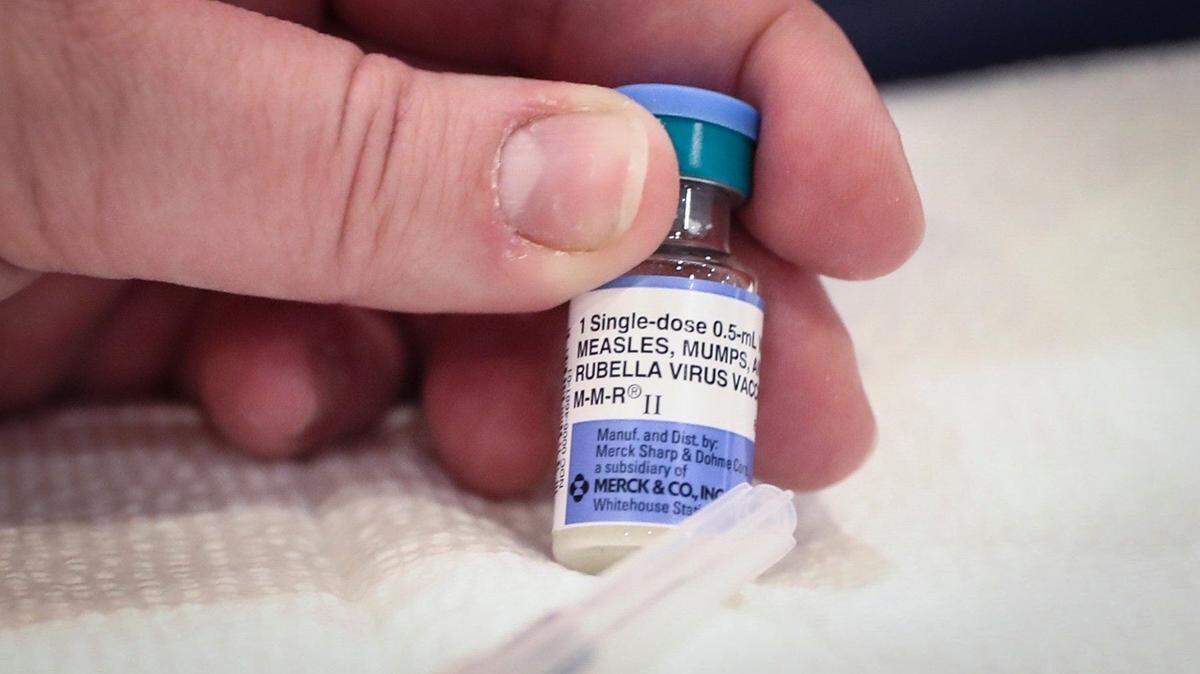
A coordinated national campaign to eliminate vaccine requirements for schoolchildren is taking root. Unstopped, it will reverse decades of medical advancement and public health protection. The campaign is led by politicians who should know better and act to ensure the safety of our children. As mothers, health professionals and North Carolina legislators we are alarmed at this dangerous turn of events. We are also deeply saddened.
Some concerns raised about immunizations are legitimate, others are the result of misinformation and fear-mongering. Legislators and healthcare practitioners recognize that questions raised about vaccines do not have to imply a lack of trust. The majority of North Carolinians trust that no health care practitioner would knowingly offer any intervention that would endanger their children and, of course, no parent would knowingly fail to protect their child from illness were they provided clear and honest information.
During our professional careers, each of us has witnessed the lifesaving miracle that is our statewide vaccination campaign, whether through the careful assessment of public health data, or the personal care of sick children who had yet to be vaccinated.
The most compelling reason to vaccinate children is that, for the most part, it works. No vaccine offers absolute protection against illness because people respond uniquely to them, but vaccines protect the most vulnerable among us, and almost all vaccines reduce the severity of illness.
Immunization programs represent one of humanity’s greatest achievements. A dwindling number of people can recall the fear that gripped parents every spring and summer in the 1940s and 1950s because polio might be coming for their children. Polio isn’t a relic of the past because it faded away. We as a community, as a nation, made a choice to protect ourselves and each other. It worked, and not just for polio, but for many other diseases as well.
Immunizations have worked so well that a decision not to vaccinate our kids can seem reasonable today — If no one has seen the devastating illness in question it might make the unlikely risk of a side effect from vaccination seem scarier than the disease. We can’t yet predict which child might be susceptible to vaccine complications, but we know that all children are at risk from the diseases these vaccines protect against. The outbreak of measles among unvaccinated children in West Texas earlier this year led to hospitalizations and at least one death. The loss of a child is a tragedy — all the more so knowing that death was preventable.
Several states have moved to weaken or eliminate vaccine mandates, often under the rationale of “parental rights” or “medical freedom.” We do not seek to limit the choices that parents in North Carolina can make for their children; instead, consider our words a call to our collective better nature, a call to care for and protect not just your own children, but every child in our great state, a call to trust in your doctors and the science that guides them.
If vaccination rates decline further, the consequences would be swift, severe and personal. Already, North Carolina’s kindergarten MMR coverage for the 2023-2024 school year was 93.8%, just shy of the roughly 95% threshold epidemiologists generally regard as necessary for herd immunity against measles.
In several counties, coverage falls even lower. Durham County reports a compliance rate of only 88% among kindergartners, placing it well below the level needed to prevent outbreaks. Meanwhile, exemption rates in our state are rising. During the pandemic, disruptions to well-child visits also set back catch-up immunizations. In one recent school year, 2.7% of entering kindergartners, 4.6% of seventh-graders, and 6.8% of high school seniors lacked required immunizations (exclusive of medical or religious exemptions), gaps that weaken our collective shield.
National modeling suggests that even a modest 10% drop in MMR vaccination could yield 11.1 million measles cases in the next 25 years; a steeper fall could precipitate tens of millions of cases, and thousands of deaths and hospitalizations.
In North Carolina, a moderate fall could turn rare outbreaks into routine crises. We would likely see epidemics flare in schools and ripple into households: unvaccinated children would fuel outbreaks, force school closures or quarantines, overwhelm pediatric wards and jeopardize medically vulnerable students, faculty and family members. Parents would face abrupt disruptions, lost workdays, difficult choices for childcare and the heartbreak of preventable illness. The costs — emotional, financial, communal — would far outweigh any perceived “freedom” gained by rolling back mandates.
As health professionals and your state legislators, we serve from a place of compassion grounded in the analysis of evidence, not conspiracy. That’s why we will continue to fight for child-vaccine funding as well as science-based education for parents.
Vaccines can save lives — maybe your neighbor’s kids, maybe your own — but they only work if everyone participates in support of the common good.
North Carolina Rep. Maria Cervania represents House District 41 and is an epidemiologist, and Rep. Julia Greenfield represents House District 100 and spent her career as a nurse.
This story was originally published October 1, 2025 at 5:00 AM.