
A Raleigh small business owner struggles with the cost of Trump’s tariffs. ‘I’m just stuck.’ | Opinion
AI-generated summary reviewed by our newsroom.
- Videri Chocolate faces surging cocoa costs and new 2025 tariffs on imports.
- Tariffs and commodity shocks cut margins, limit hiring and cap investment.
- Owner warns emergency tariffs bypassed Congress, forcing price hikes and exits.
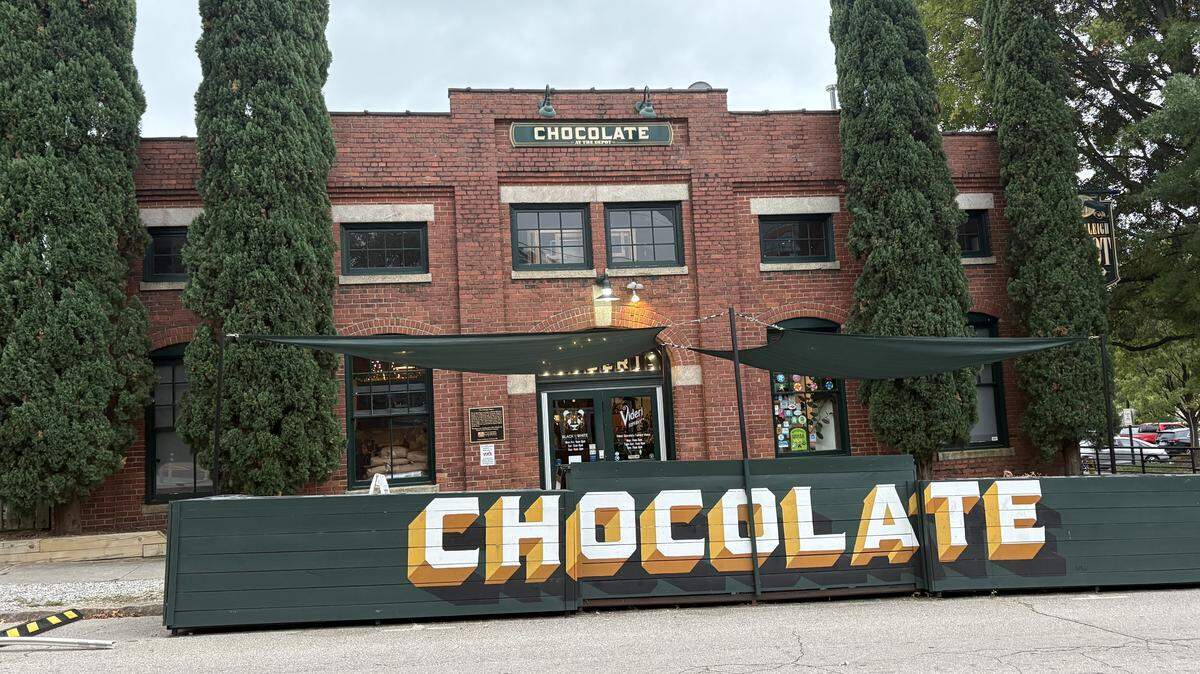
When Sam Ratto opened his Videri Chocolate Factory in Raleigh in 2011, his timing and location were as sweet as his product, but President Donald Trump’s tariffs are adding to his costs and souring that good fortune.
“As a business owner, it’s just another day where you have to figure out how to make it work,” said Ratto, 45. The aim of the tariffs, he said, is to “bully countries into doing business with us,” but the effect is to make it harder for him to do business.
Videri, a store and factory located in a restored, century-old railroad depot in Raleigh’s Warehouse District, opened on the cusp of an economic boom in North Carolina’s capital city. The business gained attention and support as a local boutique chocolate factory that makes a pure product from organic ingredients and pays its 25 employees a livable wage.
Then came Trump’s “Liberation Day” announcement in April of high and often arbitrary tariffs that have fallen hardest on small businesses that rely on imports.
Businesses with fewer than 50 employees account for 86 percent of all U.S. firms that engage in overseas trade, according to a Federal Reserve analysis.
That reliance on trade is especially true of Videri. Its chocolate is made from imported cocoa beans, cocoa butter and sugar, mostly from the Dominican Republic, Guatemala and Ecuador. Now those products come with high and shifting tariffs.
“So I just have to pay for it and I’m not making any more money. I’m actually making less money,” he said. “And I’m not able to hire more people, I’m not able to buy more things, I’m not able to invest in things. It’s just, I’m stuck.”
Ratto was already adjusting to a surge in cocoa prices because of changes in crop yields and supply chains. In 2024 he paid $5,800 for a ton of cocoa beans from the Dominican Republic. This year, it was about $15,000.
Tariff costs are on top of that surge. Ratto stopped buying beans from Vietnam because the tariff had soared to 75%. Tariffs on other countries vacillated from 30% to 75%.
“Next year we will not import that many beans if this chaos keeps happening,” he said. “If we buy less, we can’t make more.”
Trump’s idea is that high tariffs will promote more domestic production, but cocoa beans aren’t grown in the U.S. except for in Hawaii. High tariffs are pushing up the price of a basic product Ratto can’t get within the continental U.S.
Adding to his frustration is the way the tariffs were imposed. There was no debate, no public input from businesses, trade experts and economists. The president declared an emergency where there isn’t one and used his emergency powers to slap high tariffs on virtually all imports.
“These tariffs are illegal,” Ratto said. “Tariffs need to be put in place the correct way by going through Congress and signed into law. This current administration is just saying that these are the new tariffs.”
The costs and disruption caused by Trump’s tariffs have forced Videri to raise its prices. A retail chocolate bar is now $12. Other small businesses that bought Videri chocolate wholesale to use in their offerings have told Ratto the chocolate has become too expensive for them.
“We’ve had to raise our prices and customers are not happy about it,” Ratto said.
He is adjusting and innovating to keep his business afloat, but he’s mystified by why the president thinks adding costs to his business is a good thing.
“As a small business owner, I don’t have any power to fight this,” he said. All he can do is make good chocolate and hope that “maybe something will change.”
Associate opinion editor Ned Barnett can be reached at 919-404-7583, or nbarnett@newsobserver.com
This story was originally published October 12, 2025 at 9:02 PM.