
EPA’s proposed rule change threatens waterways nationwide – and NC especially | Opinion
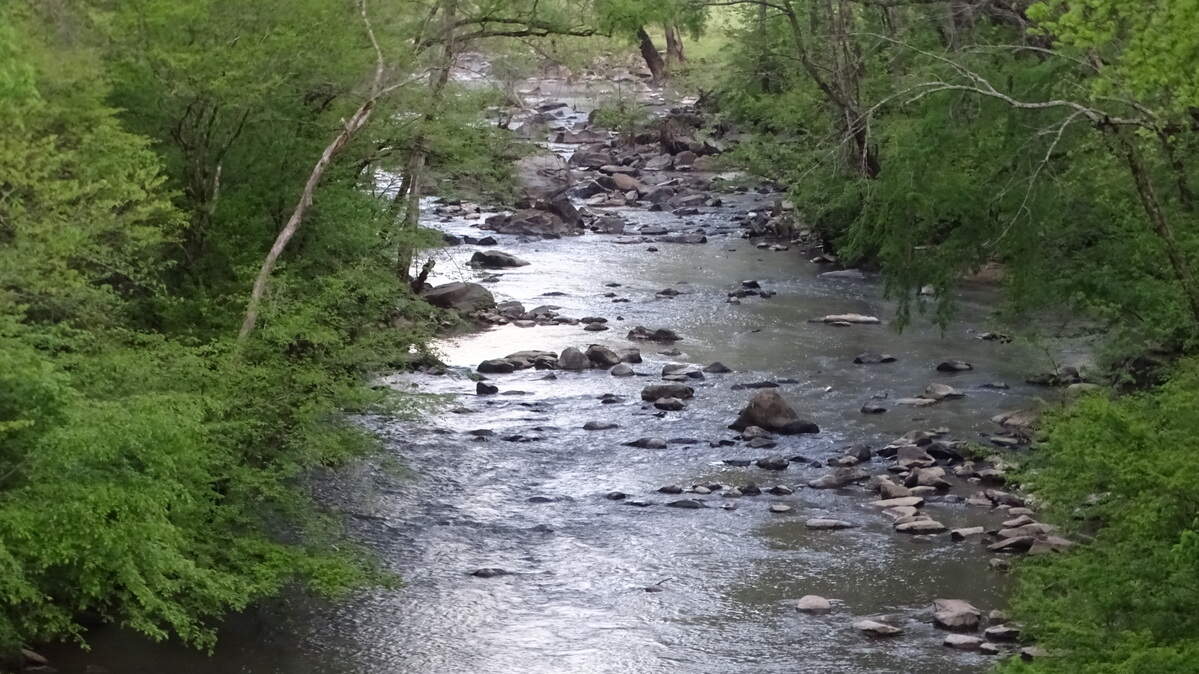
Right now, our country is facing a serious and significant threat to wetlands, water, and the spirit of the federal Clean Water Act. And that threat is being made by the very people who are tasked with protecting our environment.
The Environmental Protection Agency (EPA) announced in mid-November that it intends to significantly weaken the Waters of the United States (WOTUS) rule, gutting wetland and water quality protections across the country, and leaving every state more vulnerable to flooding and contaminated water. The WOTUS rule, borne of the Clean Water Act, identifies those waters that are federally protected from pollution by development and industry.
The EPA’s proposed rule change would strip Clean Water Act protections from 80% of all wetlands and over five million miles of streams across the country. We’re not talking about tiny, insignificant puddles. These small streams feed their waters – and whatever those waters contain – into our rivers and lakes, and thus into our children’s drinking water. If they are left unprotected, then we – as individuals, families and communities – are at risk.
Wetlands sequester carbon, nurture our fisheries, provide wildlife habitat and flood mitigation (particularly during large storm events), and help keep our drinking water clean. This rule change would erase protections from millions of acres of wetlands, leaving them – and we, who depend on them – vulnerable to unchecked destruction.
It’s difficult to overstate the devastating impacts this rule change would have on water quality and the increased risk of flooding for all Americans, but North Carolina finds itself in a particularly precarious position. In the past, North Carolina’s legislature recognized the critical role wetlands play in our unique environments statewide, establishing protections for them above the minimum required by federal law.
But in 2023, we suffered a one-two punch to those protections, beginning with a U.S. Supreme Court ruling that willfully mischaracterized the nature of wetlands in favor of development, and then the baffling decision by our state’s legislative leaders to cede regulatory authority and align North Carolina’s wetlands definition with the weakened federal standard.
With this decision, the General Assembly abdicated its sworn responsibility to protect our state, and made it impossible for us to exert any autonomy in the name of wetland protections. This alignment, under the newly proposed change to WOTUS, could ravage North Carolina’s wetlands. It would be, quite literally, a disaster.
The good news is that this rule change is not a done deal – yet. We have a chance to stop it. Americans – and North Carolinians – have historically demanded strong protection for our waters and wetlands, and we can do it again.
In 1969, the Cuyahoga River in Ohio caught on fire. Decades of unregulated industrial discharge had created an incongruous catastrophe: The river, the water itself, was ablaze. Americans were outraged. As the country looked on in horror and the environmental damage we had wrought was laid bare, a visceral understanding settled on the collective: Our survival relied directly on the health of the world around us, and that world was literally burning. Something needed to be done, and Americans demanded change. Our government took action, promising “never again” – and the Clean Water Act was born.
Now, we must demand of our government that same vigilance, that same common-sense response, that same display of courageous leadership. The EPA is taking public comments on the proposed WOTUS rule change until Jan. 5, and we must speak up forcefully against it.
Once upon a time, we lived in a country that believed in protecting its people by protecting the environment they live in – a country whose leaders listened to scientists, understood the critical importance of wetlands and forests and rivers, and enacted the regulations necessary to protect them.
We can live in that country again. We can again demand that our leaders do their job by protecting us from all threats, foreign and domestic – including the folly of those who would carelessly jeopardize the health of the environment that sustains us all.
Erin Carey is the Deputy Director and conservation policy lead at the North Carolina Sierra Club.