
Principal: Chapel Hill school closing would be personal to my family | Opinion
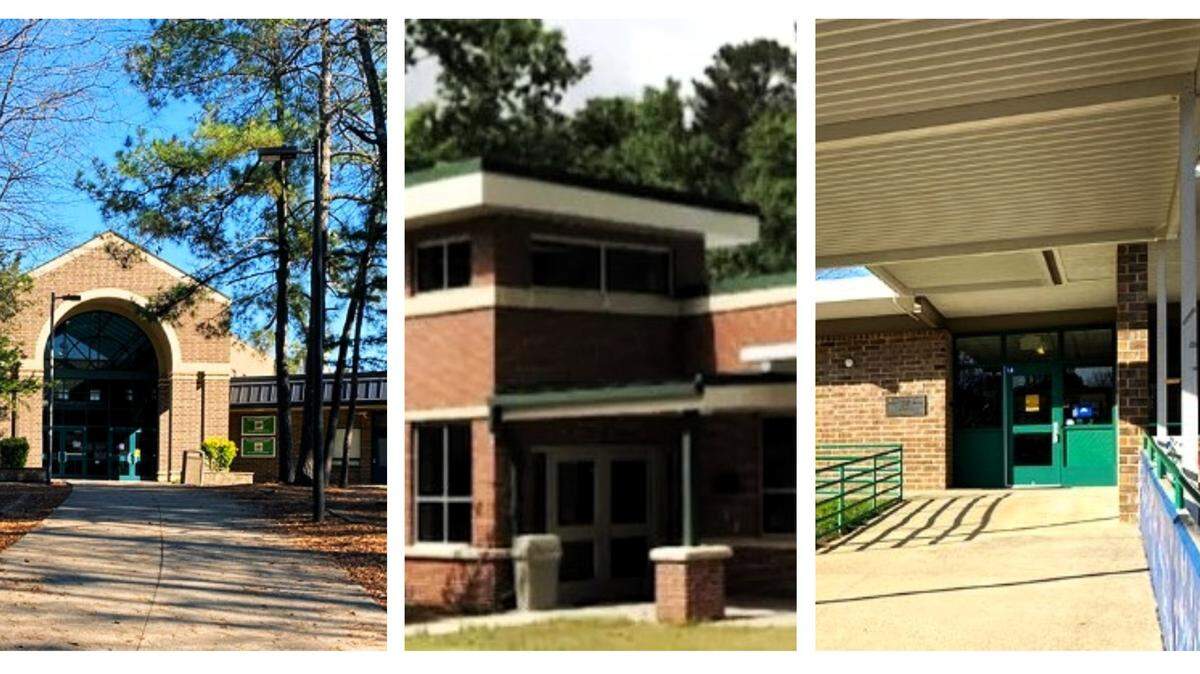
As a 28-year veteran of public education in North Carolina, and a current principal in a neighboring district, I was deeply saddened to learn that Chapel Hill-Carrboro City Schools (CHCCS) must close two elementary schools. For me, this news is personal. I served as assistant principal and then principal of Ephesus Elementary School for nearly 11 years, and I am also the parent of two of its graduates. The possibility that Ephesus could be among the schools to close is especially difficult to accept.
The grief expressed at public meetings is real and justified. The dismantling of any school community is a loss. But no single school’s importance outweighs another’s. If closures are necessary, they must be determined by the reality driving them: finances. Difficult as it may be, the board must ground its decision in clear, objective financial data.
For families who may be affected, the uncertainty is profound. While local decisions unfold, I urge continued advocacy at the state level. What is happening in CHCCS reflects a broader trend across North Carolina: the gradual erosion of public school funding alongside policies that divert public dollars to less accountable systems.
Until North Carolinians collectively demand better, the strain on public education will persist. While the immediate focus may be on schools like Ephesus, Seawell, and Glenwood, this moment calls for something larger: a renewed, unified commitment to the future of public education for every child in our state.
Victoria Creamer, Chapel Hill
Subsidizing private schools
As a former North Carolina public school teacher, I’m always concerned about the quality of our education system. According to a recent N&O article, NC is spending half a billion per year to subsidize the tuition of students attending private schools. Since only about 9% of our students attend private schools, NC has a huge teacher shortage and ranks 43rd in teacher salaries, none of our tax money should be used for private school tuition. Part of these funds should be used to increase teacher pay.
My husband and his three brothers attended a private elementary Catholic school and a public high school in Pennsylvania. In both private and public schools, they received an excellent education. Politicians should not be allowed to divert tax dollars to private schools and lower the quality of the education in public schools.
Wanda Stephens, Raleigh
Protect us from scams
Yesterday, I had an unsettling experience that highlighted how careful we need to be in an increasingly digital world. While browsing online, I came across an ad from a “private landlord” offering a house for rent in Winston-Salem. The listing looked legitimate, so I reached out using the number provided to schedule a tour.
Within minutes, the landlord sent me an address. I looked it up on Zillow and realized the house did not match the photos in the ad. I messaged the landlord to point out the discrepancy, and he sent another address, which also did not match. At that point, I knew it was a scam and contacted the authorities to report the incident.
To my surprise, I was told that because I hadn’t sent money and hadn’t technically been scammed, a report could not be filed. Why must someone be hurt or defrauded before law enforcement can act? It’s time to have a broader conversation about prevention, vigilance, government enforcement, and how we can protect our community in an online world.
Elizabeth Brown, Winston-Salem
Shutdown consequence
North Carolina’s life sciences economy — one of the strongest in the nation — is facing an immediate and avoidable threat from the ongoing federal government shutdown.
The state’s biotechnology and pharmaceutical sector supports more than 75,000 jobs, with average wages exceeding $100,000, and contributes billions annually to our economy. Anchored by Research Triangle Park, this ecosystem depends on stability, access, and a steady pipeline of innovation.
The impact extends beyond life sciences. Reduced activity affects suppliers, construction, logistics, and local businesses across North Carolina, compounding economic strain at a time of rising costs. The consequences are immediate: delayed deals, stalled hiring, and growing risk to jobs statewide.
Christopher Creighton, Raleigh