
Helene battered western NC’s small businesses. Most still need help | Opinion
AI-generated summary reviewed by our newsroom.
- 7,000 Western NC small businesses sought aid; only about 1 in 4 received it.
- Targeted grants tied to payroll retention keep workers employed and spending flowing.
- Lawmakers control recovery resources; choices will determine regional economic resilience.
Eighteen months after Hurricane Helene, more than 7,000 small businesses across western North Carolina asked for help to recover. Only about 1 in 4 got it.
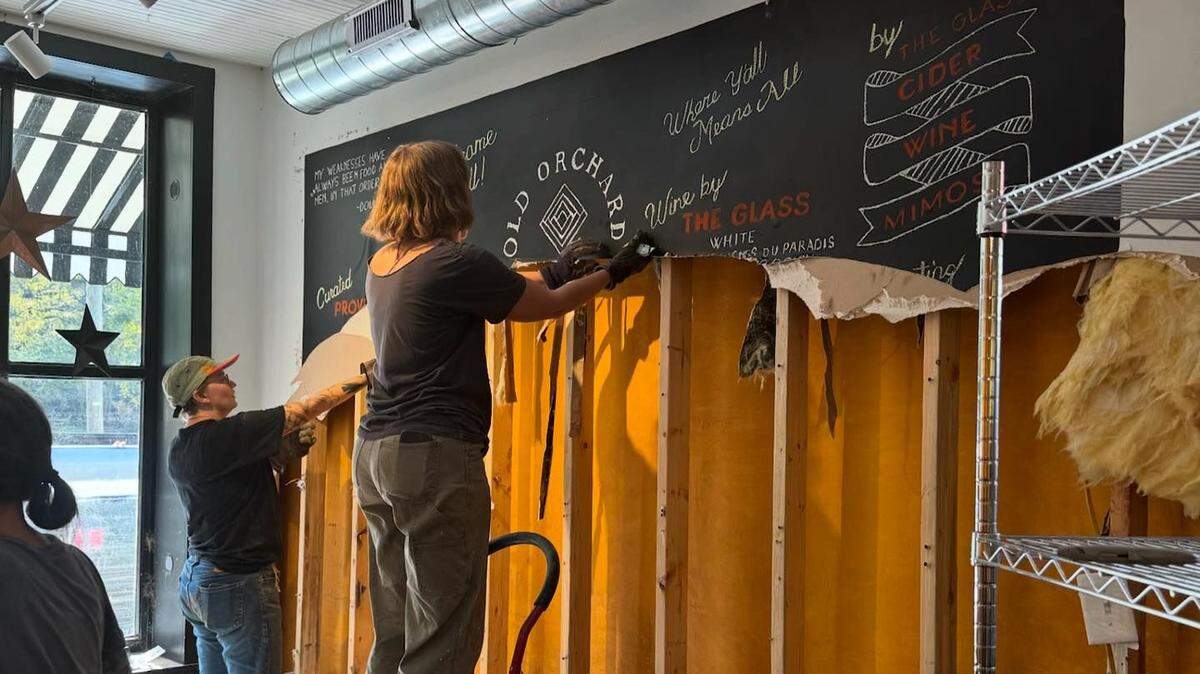
For the thousands of businesses still waiting, recovery has remained out of reach. Many have struggled to reopen, rehire workers, or stay afloat — slowing the return of jobs, local spending, and economic stability in communities across the region.
Small businesses are the backbone of western NC’s economy, serving as the economic engine that normally generates $168 billion in annual revenue. They employ 1.1 million workers, anchor main streets, and keep money circulating within communities. When they struggle to reopen or stay afloat, the effects ripple outward — slowing recovery for entire regions.
Some support has reached the region. Early last year, a $55 million small business grant program helped more than 2,100 businesses retain over 8,000 jobs. For those who received it, the funding was a lifeline.
But for the thousands who didn’t, the future is uncertain.
Without stabilization of their revenue, many small businesses are faced with a choice to take on unsustainable debt or reduce operations and cut staff. Many have taken the latter route. And when businesses cut back, workers lose income. When workers lose income, local spending drops. The result is a slower, more fragile recovery that affects everyone.
That’s why small business owners across western NC have continued to call for additional support in the form of grants or forgivable loans — tools that can stabilize revenue, preserve jobs, and help communities rebuild.
Targeted small business grants tied to payroll retention are one of the most effective ways to accelerate recovery. They ensure that businesses can keep workers employed while restoring the flow of income through local economies.
But small business supports are only part of the story.
Across western NC, unemployment remains elevated compared to pre-storm levels, reflecting an economy that has yet to fully recover. At the same time, thousands of families are still navigating housing instability, with billions of dollars in unmet housing needs and limited resources to rebuild.
These challenges are deeply connected. When businesses can’t reopen, workers can’t earn. When workers can’t earn, families struggle to stay housed. And when families struggle, communities fall further behind.
This is not inevitable.
Communities facing disasters of similar scale have recovered more quickly with stronger, more coordinated investments. NC has the tools and the resources to do the same.
As lawmakers consider the next phase of recovery, they should also be preparing for the future. Disasters are becoming more frequent and more severe, and the strength of our recovery systems will determine how well our communities can withstand them.
That starts with making sure those systems work when people need them most.
NC is not lacking in resources. State policymakers are making choices about how to use them. Lawmakers can choose to invest in small businesses, workers, and communities — or they can allow recovery to stall, leaving entire regions behind.
Eighteen months after Helene, the path forward is clear. The only question is whether we will take it.
Alex Campbell is a public policy analyst at NC Budget & Tax Center.