
An anti-tax titan says NC lawmakers are going too far on tax cuts | Opinion
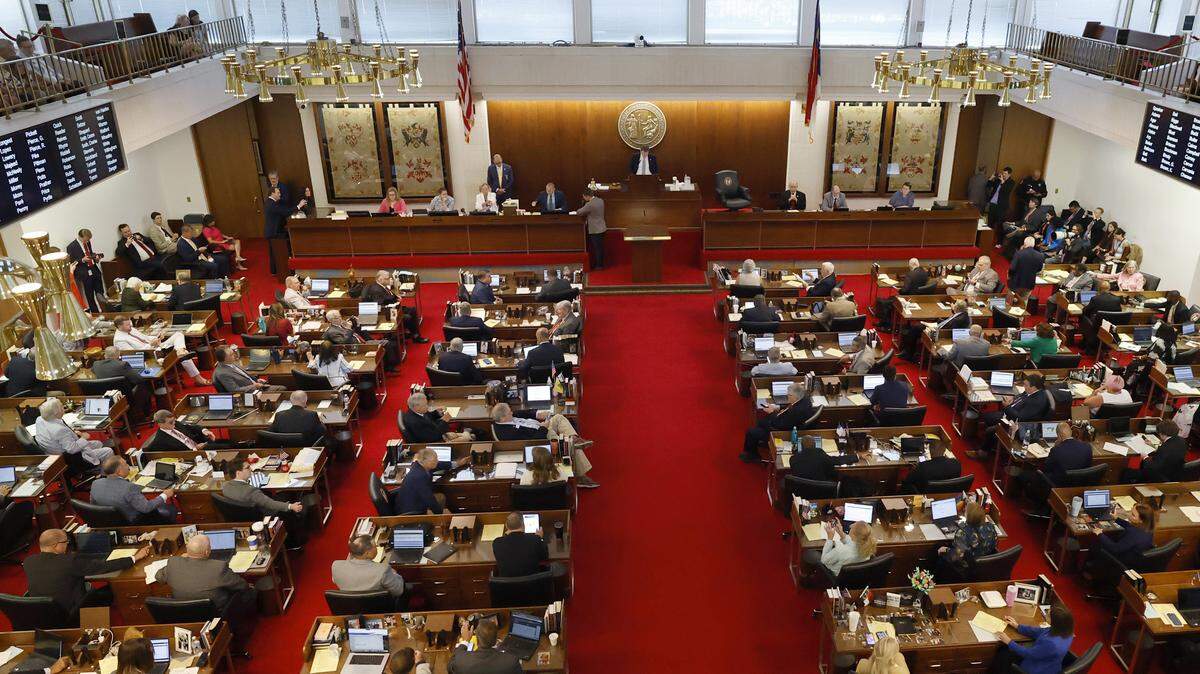
Most North Carolinians likely finished their taxes by April 15, but state lawmakers are just getting started on how to address — or ignore — the mess they’ve made of state taxes.
The legislature’s Republican majority has been happily cutting taxes since 2013, but new costs being passed down from Washington and an economic outlook clouded by tariffs and oil price shocks reveal that the state may soon face a budget crisis.
That prospect is being noted by national experts on both ends of the political spectrum, including one associated with a giant in the anti-tax movement, the Tax Foundation.
Jared Walczak is a senior fellow at the Tax Foundation and its former vice president of state projects. He published a recent analysis warning that North Carolina tax cuts triggered automatically by state revenue levels do not sufficiently account for inflation or the needs of a growing state. The analysis was posted the website of the conservative Carolina Leadership Coalition.
Walczak wrote that automatic tax cuts, which could continue this year, “are not meaningfully tied to the state’s ability to afford the reductions” and “risk an avoidable budget shortfall.”
Meanwhile, Carl Davis, research director at the Institute on Taxation and Economic Policy, a nonprofit, left-leaning think tank, published a commentary this week saying North Carolina is heading toward a Kansas-style tax-cut debacle. In 2012, Kansas thought steep tax cuts would spur the economy, but it had to reverse the cuts after the state economy slowed and state services withered.
Tax cuts over the past decade have already weakened North Carolina’s state services and starved its public schools. But it is the further cuts in personal and corporate taxes that will automatically occur as state revenues hit certain trigger levels that could plunge the state into a severe shortage of funds. State revenue forecasts show that the personal income tax cuts alone would reduce General Fund revenues by $6 billion by fiscal year 2033-34.
“For perspective, $6 billion is roughly what the state spends on public universities and community colleges each year,” Davis wrote. “It is a cost that simply cannot be absorbed by the state budget without dramatic and highly visible cuts to the public services that North Carolinians expect.”
Davis noted that even anti-tax advocates “are starting to get nervous” that North Carolina will cut taxes too much if it proceeds with reductions triggered by hitting revenue goals. He said Walczak’s analysis “suggests worry that the state could be hurtling toward a humiliating fiscal mistake of historic proportions.”
Walczak wrote about North Carolina: “The uncertainty created by the triggers currently on the books, and the unplanned spending cuts they could force, undermines the state’s pro-growth goals. Tax competitiveness promotes economic growth, but uncertainty creates jitters, and budget crises would make the state less attractive for businesses and individuals.”
As lawmakers return to Raleigh this week, the Republican majority must decide whether to continue tax cutting or pause to get a clearer sense of where the state and the national economy are heading.
Senate leader Phil Berger says state tax revenue has exceeded the level that legally triggers a cut in the personal income tax. The automatic cut would reduce the personal income tax rate from 3.99% to 2.99% by 2028.
House Speaker Destin Hall says the revenue levels are now too low given inflation. He’s also worried about a coming surge in Medicaid costs and a possible slowdown in the national economy. He wants to hold off on the tax cut.
Hall is taking the safer and more truly conservative stand. But considering that the Senate-House impasse is one of the obstacles to passing a state budget, the speaker may have to accept further tax cuts to get a new spending plan that provides raises for teachers and other increases he favors.
If so, North Carolina will be another tax cut closer to a trickle-down disaster.
Associate opinion editor Ned Barnett can be reached at nbarnett@newsobserver.com or 919-404-7583.
This story was originally published April 16, 2026 at 5:30 AM.