
A legislature that can’t pass a budget shouldn’t meddle with local finances | Opinion
AI-generated summary reviewed by our newsroom.
- Legislature hardwired future tax cuts into law while the state budget remains unpassed.
- State revenue reductions have pushed counties to use property taxes to fill funding gaps.
- Local governments have stepped in to support services the state underfunded.
A state legislature that doesn’t have its own fiscal house in order, and has hardwired future tax cuts into law, has no business restricting how local governments fund essential services. It’s revealing that a state proposal to cap local property taxes has more momentum among legislative leaders than a long overdue state budget that puts state services on a fixed income.
The contrast is telling. North Carolina’s budget autopilots future income tax cuts including a phased reduction of the corporate tax rate to 0% by 2030. But investments in public goods such as schools, roads, safety, and health do not receive the same automatic benefits.
Over time, that imbalance has consequences. By surrendering billions of dollars in potential revenue while increasing expectations for public services, state lawmakers have shifted more of the burden onto counties. Their main tool to fill those gaps are property taxes.
As a Wake County teacher and homeowner, I experience both sides of this imbalance. My property tax bill has increased, but not because of reckless decisions by county commissioners. In fact, Wake County’s tax rate has declined 16% since 2015. The bill increase is driven by rising property values in a growing community, and plugging state funding gaps – particularly for education. Not runaway local spending as bill supporters would have you believe.
I also see firsthand the strain on public services. Schools struggle to recruit and retain educators. It’s little surprise when North Carolina ranks dead last in the country in school funding effort.
Communities also face increasing demands for infrastructure and public safety. In many cases, local governments have stepped up to support services the state has failed to adequately fund. Without local assistance in meeting state obligations, public goods like education face cuts.
Local leaders aren’t creating these problems – they’re managing the consequences.
If state lawmakers are sincerely concerned about residents on fixed incomes, there are more direct and meaningful actions within their jurisdiction. They could reverse state tax changes that increased burdens on retirees, such as eliminating deductions for retirement income and medical expenses. They could offer the first permanent cost-of-living adjustment for retired state employees since 2008. And most importantly, they could pass a responsible state budget that aligns revenue with the services North Carolinians expect and deserve.
Our local property taxes shouldn’t subsidize state shortfalls. But when the alternative is losing valuable public goods and services, communities should get to decide for themselves how to address this state-imposed challenge.
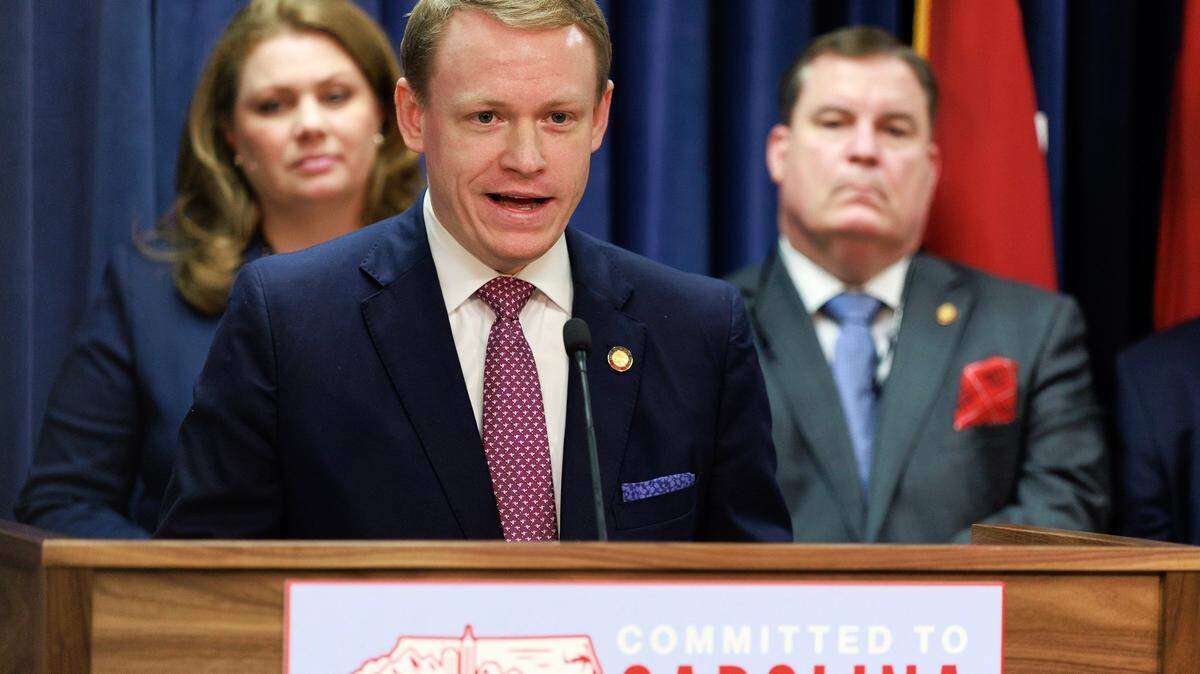
Sponsors of this plan, including Rep. Destin Hall and Rep. Erin Pare, would better serve their constituents by focusing on the work they were elected to do: passing a state budget that doesn’t pass the buck to local governments.
If state legislators wanted to control county budgets, they had the opportunity to run for local office. They chose to serve at the state level. That responsibility starts with governing the state’s finances and ends with stopping the quiet transfer of those responsibilities onto local taxpayers.
Kimberly Mackey is a homeowner and Wake County high school teacher in her 21st year of teaching..