GOP touts plan to make NC ‘lead on teacher pay.’ Here’s what that really means | Opinion
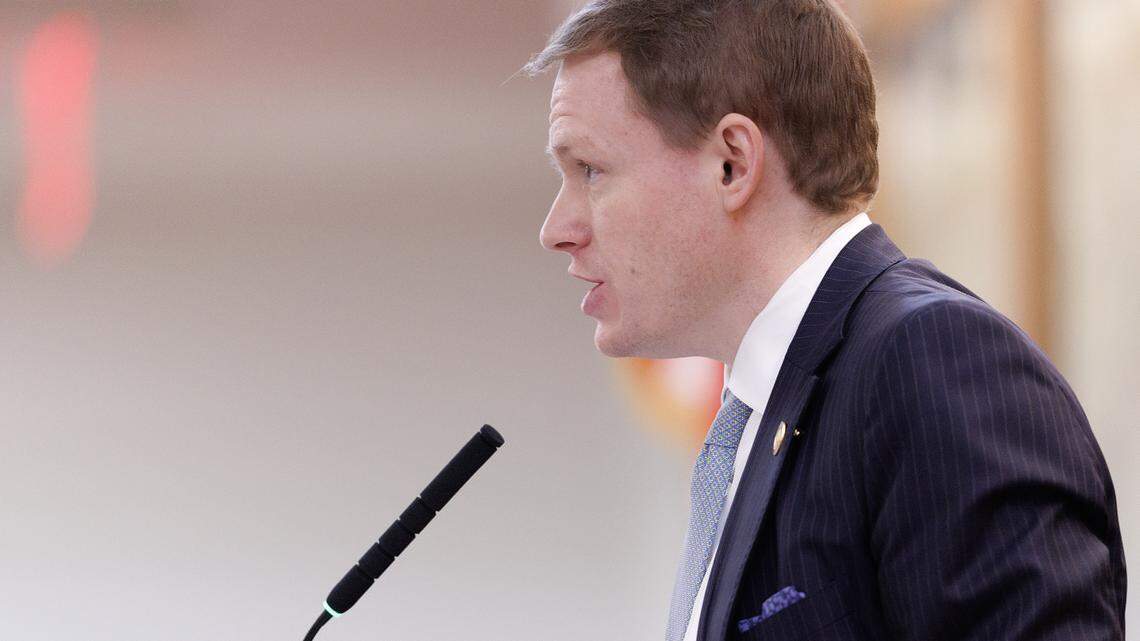
As state lawmakers continue to debate the long-overdue state budget, House Speaker Destin Hall and his colleagues have been bullish on their proposal to increase teacher pay. Hall has repeatedly touted a House proposal that would “make North Carolina a leader on teacher pay.”
The House’s budget proposal would make North Carolina a leader on teacher pay, but only for beginning teachers. If the Senate comes around to the House’s position, starting teacher pay in North Carolina would increase to $50,000, the highest in the Southeast.
That would be a marked improvement, considering that North Carolina currently ranks dead last among its neighbors and 38th in the nation for starting teacher pay. Raising starting teacher pay to $50,000 would also put North Carolina slightly ahead of the national average, and closer to the top 15 nationally.
That would be great news, but average teacher pay is where North Carolina is really falling behind. A report released this week by the National Education Association estimates that North Carolina has fallen to a dismal 46th in the nation on average teacher pay, earning us the unfortunate distinction of being the only state where teacher salaries dropped this school year.
Unfortunately, even the highest GOP proposal doesn’t make as many strides on that metric. The House budget proposal would raise teacher salaries by an average of 8.7% over two years. For the 2025-26 school year, North Carolina’s estimated average teacher pay is $59,971, which includes the base salary and local supplementary pay. If you exclude the supplementary pay, the average base salary for a North Carolina teacher is $52,738. With an 8.7% raise, that works out to an average of about $57,326. Including supplementary pay, the average would be just under $65,000.
That wouldn’t really make North Carolina a “leader” on teacher pay, because it’s still well below the current national average of $74,495. It wouldn’t even make North Carolina’s average teacher pay the highest in the South. At best, it would put North Carolina somewhere around 30th in the nation. That’s progress, but it’s still not anything to brag about, especially not for the ninth-most populous state in the country.
Some experienced teachers could see bigger pay increases, because the House budget also restores master’s pay, which would give a 10% supplement to teachers with a master’s degree in their subject area. But even then, the average teacher with a master’s degree and 25 years of experience would earn a base salary of $63,602.
Lawmakers have said that raising starting teacher pay is critical to ensure North Carolina remains competitive in recruiting new teachers. That’s true, but North Carolina is also struggling to retain veteran teachers, which is where average teacher pay comes in. While the House proposal does eliminate the salary plateau for teachers with 15 to 25 years of experience, it still may not give veteran teachers the pay increases necessary to retain them. For the most experienced teachers, the step increases don’t even keep up with inflation.
To be fair, the budget proposal from Hall and House Republicans would be one of the most meaningful increases to teacher pay in years. There’s a reason it passed the House with bipartisan support: it would make North Carolina a “leader” on starting teacher pay, and restoring master’s pay is a big deal. But it’s not a solution to North Carolina’s teacher crisis — it’s just a step toward one. On overall teacher pay, there’s still a long way to go.
Deputy Opinion Editor Paige Masten is covering politics and the 2026 elections for The Charlotte Observer and The News & Observer.
This story was originally published April 29, 2026 at 1:32 PM with the headline "GOP touts plan to make NC ‘lead on teacher pay.’ Here’s what that really means | Opinion."