
NC towns want to protect their beaches. They may do it the wrong way | Opinion
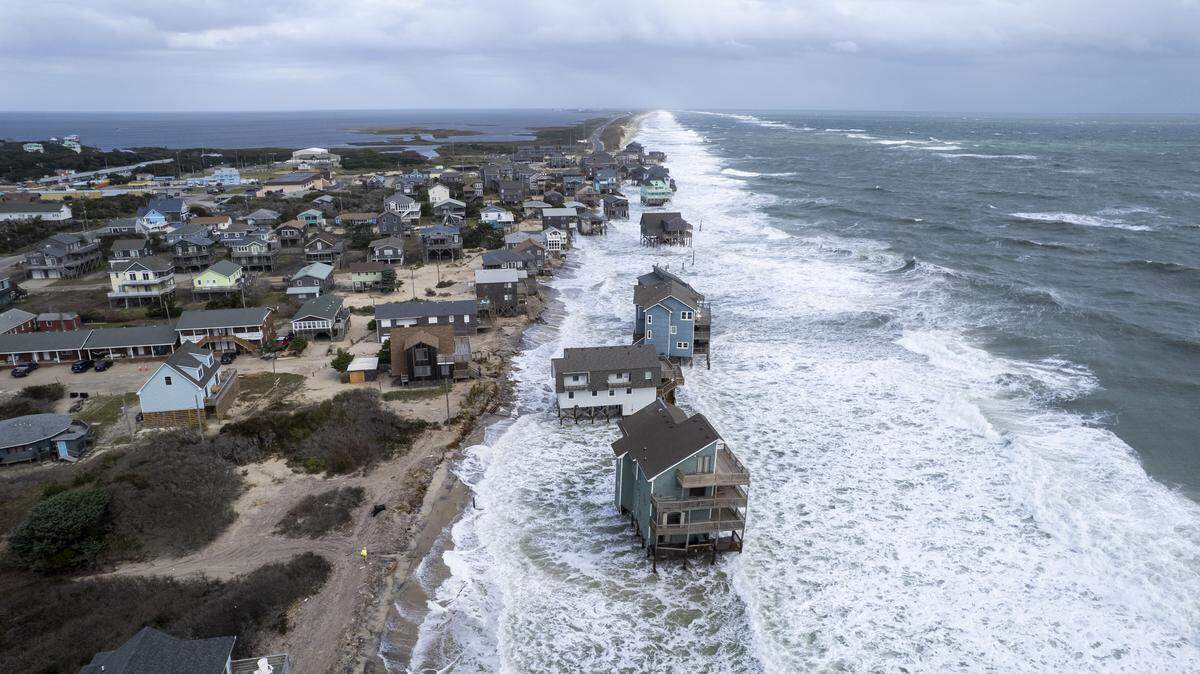
North Carolina’s beaches are part of who we are.
They are where generations of families spend vacations, where children learn to fish and swim, and where people from across the state reconnect with nature. Our beaches support local economies, tourism, fisheries, and recreation, and are woven into North Carolina’s identity.
That is why lawmakers should proceed cautiously before changing how North Carolina manages beach erosion.
Three bills before the General Assembly — SB 1001, SB 1008, and SB 1009 — would make it easier to build hardened shoreline structures such as groins, seawalls, revetments, and breakwaters. One proposal would also authorize state taxpayer funding for permitting, construction, and repairs.
The intent is understandable. Coastal communities face growing pressure from storms, erosion, and rising seas. Many homes that once sat behind wide beaches and dunes are increasingly vulnerable. Property owners who built according to state setback rules are now confronting difficult realities.
Beach communities want to preserve what they love and support their local businesses. Legislators want to find a way to help. But history shows that the negative consequences of oceanfront erosion control structures can be significant. One lesson has remained consistent: while hardened structures may protect one area, they often worsen erosion nearby.
Seawalls reflect wave energy, causing scour and beach loss in front of and adjacent to the structure. Groins trap sand on one side while starving beaches farther down the shore.
Rarely is one structure the end of the story. As erosion worsens elsewhere, pressure grows for more beach renourishment and eventually more hardened structures.
North Carolina recognized this problem decades ago. In the 1980s, both North Carolina and South Carolina banned permanent oceanfront erosion control structures because they were found to worsen erosion, disrupt the natural movement of sand, and threaten the long-term health of barrier islands.
Saying no to hardened structures has helped protect some of the most natural, publicly accessible, and economically valuable beaches in the country.
There are exceptions to the ban. In 2011, after years of debate, North Carolina approved a limited number of terminal groins intended to address shoreline erosion adjacent to dynamic ocean inlets. But lawmakers drew an important line: communities pursuing those projects would bear the financial responsibility themselves.
That reflected an understanding shared across the political spectrum that hardened structures can create long-term public costs. When erosion threatens adjacent beaches, roads, or public infrastructure, local governments often respond with additional, expensive beach stabilization projects. Over time, pressure for state funding grows.
Ocean Isle Beach offers a cautionary example. After construction of a terminal groin at the eastern end of the island, increased erosion of the adjacent beach has resulted in emergency sandbag structures and an urgent need for solutions.
North Carolina’s beaches are shared public resources. Millions of North Carolinians may never own an oceanfront home, but they value beaches where they can walk, fish, and swim without rows of seawalls or groins dominating the shoreline. Once natural beaches are lost, they are extraordinarily difficult - and expensive - to restore.
None of this means North Carolina should ignore the challenges facing coastal communities. These threats are real and growing. But we should be careful about abandoning policies that have protected the character of our coast for more than four decades.
We need long-term solutions that recognize both the value of coastal communities and the realities of a changing shoreline. That includes responsible construction regulations and continued investments in beach nourishment, inlet management, and dune protection. We should also explore targeted public assistance for homeowners in erosion hot spots, which may reduce the demand for engineering and even cost taxpayers less in the long run.
For decades, North Carolina has been recognized nationally for balancing private property rights, environmental stewardship, fiscal responsibility, and public access along its coast. That balance is still worth protecting.
Braxton Davis is Executive Director of the North Carolina Coastal Federation and former director of the N.C. Division of Coastal Management. He has chaired state and national committees focused on coastal erosion issues and spent more than two decades working on the protection of beaches and estuaries in North and South Carolina.