NC Senator: 5 reasons Charlotte should rethink its ‘no’ on I-77 tolls | Opinion
The author is a Democrat representing District 42 (Mecklenburg) in the North Carolina Senate.
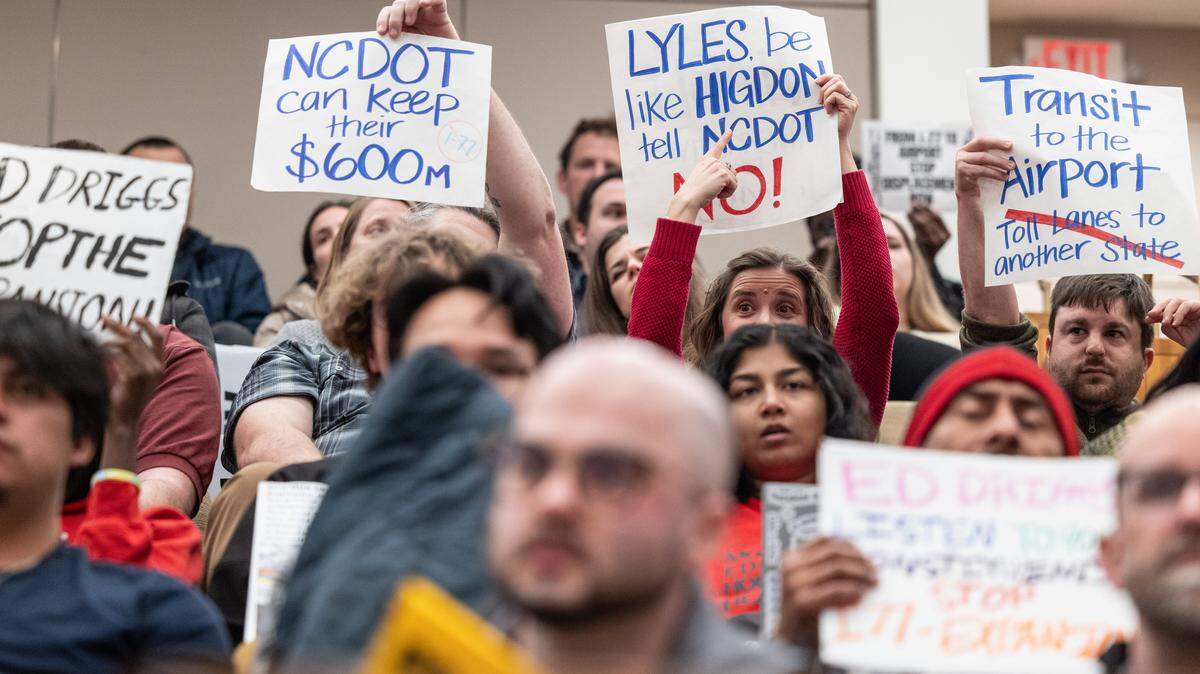
As a state legislator, I have a responsibility to my district, our region and to the entire state. I acknowledge the voices expressing frustration surrounding the proposed expansion of I-77 and the future of toll lanes in our region. Many residents rightfully have concerns about affordability, fairness, congestion, and trust in elected officials. Those concerns deserve to be heard. Strong public input before making any major change is non-negotiable, and it’s important that community members are encouraged to participate in those processes.
Recently, elected officials in Charlotte rejected an opportunity to find a solution to an I-77 that is not only a logistical nightmare, but also a public safety hazard. I believe we should pause and consider the broader implications — not just for this project, but also for our long-term relationship with Raleigh and our ability to deliver future transportation and other investments.
There are at least five reasons for local leaders to choose a more pragmatic path.
First, relationships matter. Our region depends heavily on state transportation funding and partnerships. While we may not agree with every decision made by the North Carolina Department of Transportation, our ability to secure future investments depends on maintaining productive working relationships. Placing conflict over collaboration will not produce better outcomes.
Second, we should learn from history. Charlotte and North Carolina as a whole have experienced periods where leaders became locked in political and ideological battles that produced more economic wounds than progress. Whatever your views are on past conflicts, the lesson is clear: when the conversation isn’t rooted in present realities and broad stakeholder engagement, communities often lose power rather than gain it.
Third, growth is not waiting. The Charlotte region continues to attract residents, employers, and investment at a rapid clip. We’re now the 14th largest city in the nation, and our transportation challenges will not solve themselves. Rejecting proposals outright without offering viable alternatives is not problem-solving. In fact, it risks years of delay while congestion worsens and costs increase. Responsible leadership often requires pragmatism, considering imperfect options while pursuing practical improvements. For example, our duty to homeowners who will be impacted by expansion is to ensure they are treated fairly while understanding the reality that I-77 will need to expand eventually. If you’re going to be required to move, let’s work to get you the best deal possible.
Fourth, credibility matters. Voters expect elected officials to advocate for their interests, but they also expect us to make hard decisions. There is a difference between expressing concern and refusing to negotiate. Communities gain influence when they demonstrate a willingness to work through difficult issues, identify common ground, and improve proposals through engagement rather than opposition alone. Our voters want solutions that work and leaders who work together to find them.
Finally, we should focus on outcomes. The question isn’t whether we support or oppose a project. The real question is whether we can secure better terms, stronger accountability, improved mobility, and greater benefits for our residents. Those objectives are far more likely to be achieved at the negotiating table than from opposite sides of a political divide.
None of this requires abandoning our concerns or surrendering our values. It simply requires recognizing that we achieve progress through clear vision, partnership and yes, compromise.
Before voting no, we should ask ourselves a simple question: Are we advancing a solution, or are we simply expressing frustration? Charlotte deserves more than frustration – it deserves leaders who know that negotiating is key and who prioritize courageous conversations with advocates to find solutions.
It’s time to acknowledge this scar that cut through our city and affected so many for decades. We do this by working together to heal and reinvest in the same community and become an example of sensible and compassionate growth so this doesn’t happen again.
This story was originally published June 11, 2026 at 5:00 AM with the headline "NC Senator: 5 reasons Charlotte should rethink its ‘no’ on I-77 tolls | Opinion."