
The surprising central issue in North Carolina’s 2026 elections | Opinion
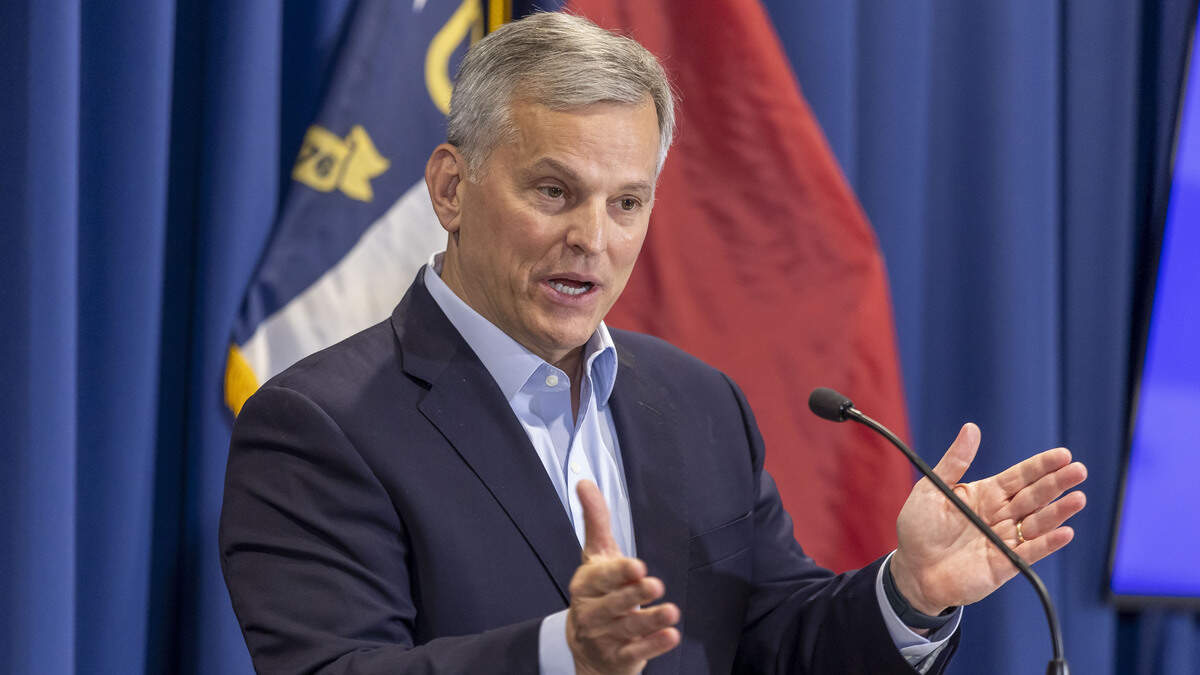
Gov. Josh Stein sure didn’t seem like the biggest fan of the property tax bill sitting on his desk last week.
The bill, the brainchild of Senate President Pro Tem Phil Berger, temporarily freezes property revaluations in the handful of counties going through that process this year. Local officials in places like Buncombe and Guilford counties fought it hard, warning that it would throw their budgets into chaos.
Stein, by his own account, saw it as only a partial answer to rising costs. He signed it anyway.
But why?
Some of it is probably timing. Stein has not vetoed a bill yet this year, and budget negotiations are finally nearing an end. If a broader spending deal is still within reach, a temporary property tax relief bill would be a strange place to pick his first major fight.
But the bigger reason is politics. Property taxes are set to become one of the central issues of the 2026 elections.
A larger push
The moratorium is only one piece of a broader effort to rethink property taxes in North Carolina.
Lawmakers have also sent voters a proposed constitutional amendment that would allow the General Assembly to set limits on how much local property tax collections can increase from year to year. Stein did not get to sign or veto that one, because constitutional amendments go straight from the legislature to the ballot.
There is real demand for it.
A March poll from the right-leaning Carolina Journal found that 77 percent of likely 2026 voters said property taxes are either a major or minor burden on their household budget. In the same poll, 73 percent said they would support a constitutional amendment requiring limits on property tax increases by local governments.
This is why property taxes are such a strong issue. Voters do not need much explanation. They already feel it.
In fast-growing counties, homeowners have watched paper values climb faster than their incomes. Retirees worry that a house they paid off years ago can still become harder to afford. Young families already stretched by mortgage rates, insurance and child care see property taxes as one more cost that keeps moving in the wrong direction.
The politics are especially potent because homeownership occupies a different place in American life than almost anything else that the government taxes. A house is where people raise children, host birthdays and hope to grow old. When rising home values become an easy revenue source for local government, it feels less like prosperity than a penalty for staying put.
The counterargument is a lot harder to explain. It’s awfully hard to be in favor of high taxes, so you have to go after the local control issue.
A survey from left-leaning Public Policy Polling in late May asked voters who should be more responsible for decisions about property tax increases. Only 25 percent said state lawmakers in the General Assembly. Fifty-six percent said local lawmakers like city and county officials.
Voters may dislike rising property tax bills, but they are not automatically eager for Raleigh to take over local budget decisions.
In a campaign context, it’s a hard sell. If Democrats and county officials sound more worried about county budgets than family budgets, they will lose the argument before it starts.
The better fix
I’m not a huge fan of property tax revaluation moratoriums in general. Revaluations are supposed to tell us what property is worth. If values are rising, the tax rolls should reflect that reality.
The real problem is not the value. It is the tax rate and growth of government.
That’s why I’m much more interested in the constitutional amendment that would allow levy limits. A levy limit does not ask the tax system to pretend homes are worth less than they are. It accepts market values as real, then limits how fast total property tax collections can grow unless local officials make a clear case for more.
For all the dysfunction in our politics, I’m thrilled property taxes are becoming a major issue in 2026. Of course everything is nationalized to some degree. The U.S. Senate race will pull in national money and national messaging all year. Donald Trump will hover over everything, because he always does. The unfinished state budget will shape campaigns too, even if lawmakers manage to wrap it up soon.
But it has been a long time since North Carolina elections were organized around a serious argument over tax policy.
Property taxes are exactly the kind of issue state elections should be about. They are concrete. They are close to home. They force candidates to say what government should cost, who should pay for it and how much protection homeowners deserve from rising bills.
Stein’s signature on the moratorium did not settle the property tax debate. It showed how central that debate is becoming.
For North Carolina politics, that might actually be a good thing.
Contributing columnist Andrew Dunn is the publisher of the Longleaf Politics newsletter, which offers thoughtful analysis of North Carolina politics and policy from a conservative perspective. He can be reached at andrew@longleafpol.com.