
Charlotte’s new mayor was chosen for steadiness. On I-77, he needs nerve | Opinion
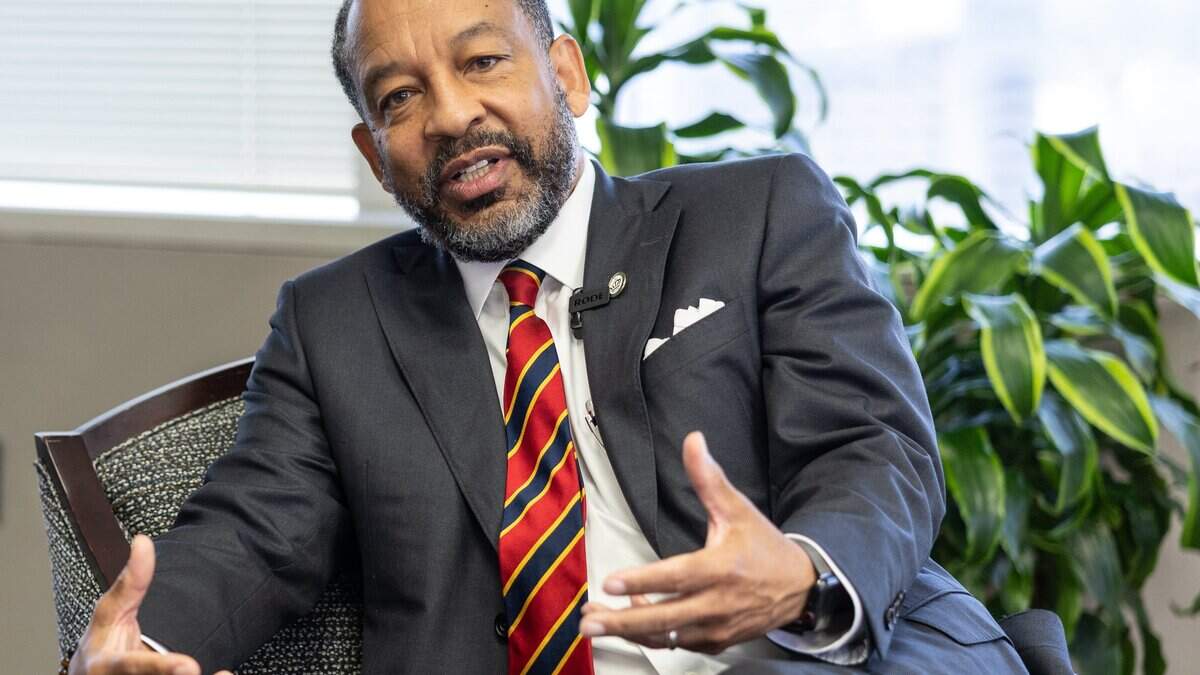
It was clear from the beginning that Charlotte needed a steady hand for an interim mayor.
But in choosing Rob Harrington, the City Council may have been reaching for something more. Consciously or not, members seemed to understand that Charlotte needs someone with enough independence and credibility to make hard choices — ones that others know are necessary but cannot quite bring themselves to make.
On the I-77 issue, Charlotte needs exactly that.
The city has backed itself into a corner on one of the region’s most important transportation projects. Harrington now has a chance, and an obligation, to help it find a way out.
Doing so will take more than steadiness. It will take nerve.
A leadership vacuum
The controversy Harrington inherits has been years in the making, but the immediate problem is much more recent. The I-77 project would add toll lanes between uptown Charlotte and the South Carolina line, using a public-private partnership to widen one of the region’s most congested corridors.
After years of tacit backing for the project, the Charlotte City Council suddenly voted in May to rescind support in a move that felt less like a settled transportation decision than a political spasm. It came just four days after then-Mayor Vi Lyles announced she would step down, accelerating the scramble over Charlotte’s post-Lyles political future.
That is exactly the kind of moment when Charlotte needed a steady hand at the helm. It did not have one.
For most of her tenure, Lyles likely would have supplied that restraint. On I-77, she could have, and should have, vetoed the council’s vote to slow the city down and require a better answer than simply walking away.
Instead, the vote stood. The Charlotte Regional Transportation Planning Organization soon followed, effectively killing the project after the state had already spent roughly $60 million getting it to this point.
That number is astonishing. North Carolina needs a better way to build urban highway projects without spending years and tens of millions of dollars just to arrive at designs and process. But that is a separate problem.
Now the new state budget has turned Charlotte’s bad decision into an urgent one. Unless the city and other local governments reverse course, they could be forced to repay the state for the money already spent or lose other transportation funding.
That puts Charlotte on the clock. It also strips away the illusion that the city can simply walk away and move on.
Why Harrington matters now
There are plenty of good reasons to oppose the project, or at least to be skeptical of it. Nobody likes tolls, and nearby neighborhoods have legitimate concerns about what the final design will mean for them.
But anyone who drives I-77 South knows it desperately needs work. It is dangerous, slow and only getting worse. Growth is not waiting for Charlotte politics to sort itself out.
The hard reality is that this project is the only serious option on the table. NCDOT has signaled a willingness to work with the community on a version people can stomach, but that cannot happen if Charlotte kills the project altogether.
That is where Harrington’s unusual position matters. Finding six votes will be hard, and taking the blame will be painful.
I think City Council members know they have created a problem they cannot easily clean up on their own. The members who voted to rescind support will not want to reverse themselves. The activists who opposed the project will see reconsideration as betrayal.
That may be part of why Harrington made sense. He is not running for mayor in 2027, or anything else for that matter. He does not have to protect a campaign, build a future coalition out of every vote or treat this issue as a test of his political brand.
The I-77 decision was made in haste. Undoing it will require the kind of discipline that was missing the first time, with an extra dose of acrimony. Charlotte needs someone able to absorb criticism, and Harrington could fit the bill.
He should push the city to reopen the process, restore its seat at the table and fight for a better version of the project instead of pretending the whole thing can disappear.
He was chosen because Charlotte needed steadiness. I-77 is where he can show he has nerve, too.
Contributing columnist Andrew Dunn is the publisher of the Longleaf Politics newsletter, which offers thoughtful analysis of North Carolina politics and policy from a conservative perspective. He can be reached at andrew@longleafpol.com.
This story was originally published July 10, 2026 at 8:34 AM with the headline "Charlotte’s new mayor was chosen for steadiness. On I-77, he needs nerve | Opinion."