Where are the best NC beaches for finding shark teeth? Here’s our list
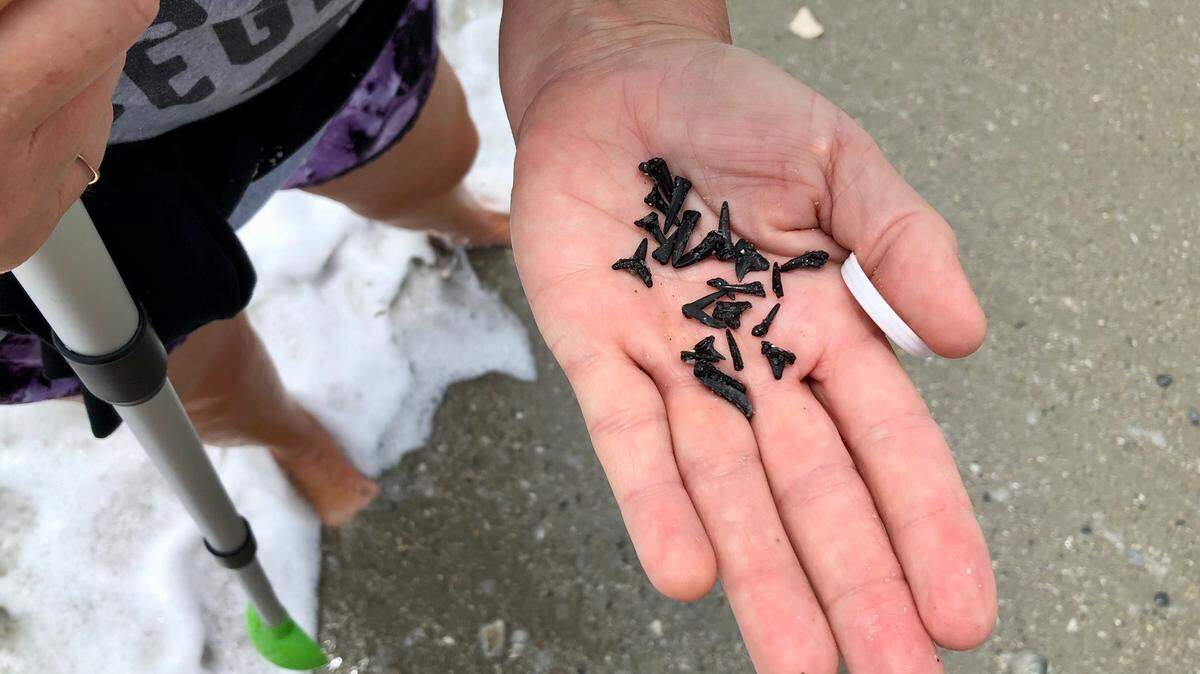
Southern-culture magazine Garden & Gun recently named a North Carolina beach one of the best for shark-tooth collecting, but that barely scratches the enamel on the dental pastime that has grown in the state over the past decade.
The July magazine article, which incorporates the writer’s own experience doing the “shark-tooth shuffle” at different beaches, highlights Holden Beach, a barrier island off Brunswick County.
The beach is “a hidden gem for those seeking a tranquil place for beach-combing. Head west from the pier, just as high tide is receding, and search along the surf line through the tidal pools and shell beds. At the east end of Holden Beach near Lockwoods Folly Inlet you may also uncover sea-biscuit fossils, saw-toothed pens, sand dollars, conchs, whelks, and other shells in ankle-deep water during low tide,” the author advises.
Holden Beach has delighted beachcombers since the completion last year of a re-nourishment project that deposited dredged sand onto the beach along with fossilized ocean-bottom finds not normally seen amid the crumbled seashells.
After heavy surfs, lucky treasure-hunters have filled their buckets with whole sea biscuits, fistfuls of olive shells and the occasional shark tooth, fallen from the mouth of an animal millions of years ago.
But it’s not the only place where the coveted choppers are found.
Seining for shark teeth in the Cape Fear
Shark Tooth Island — actually a string of islands — is a nature preserve formed by dredge spoils from the deepening of the Cape Fear River more than a century ago. What they excavated from the river bottom then is being exposed by wind and wear now, and outfits such as the Wrightsville Kayak Company will take tourists there to sift the sand.
For $65 and up per person, you get supplies and instructions, and though you’re not guaranteed to find a shark tooth, guides say it’s a rare day that hunters don’t discover at least one little one.
The spoils also occasionally serve up Native American relics and items from the Colonial and Civil War eras (Fort Fisher, a Civil War revetment and the site of a fierce battle, is just downstream).
.png "Screenshot (219).png")
Diving for megalodon teeth off the North Carolina shore
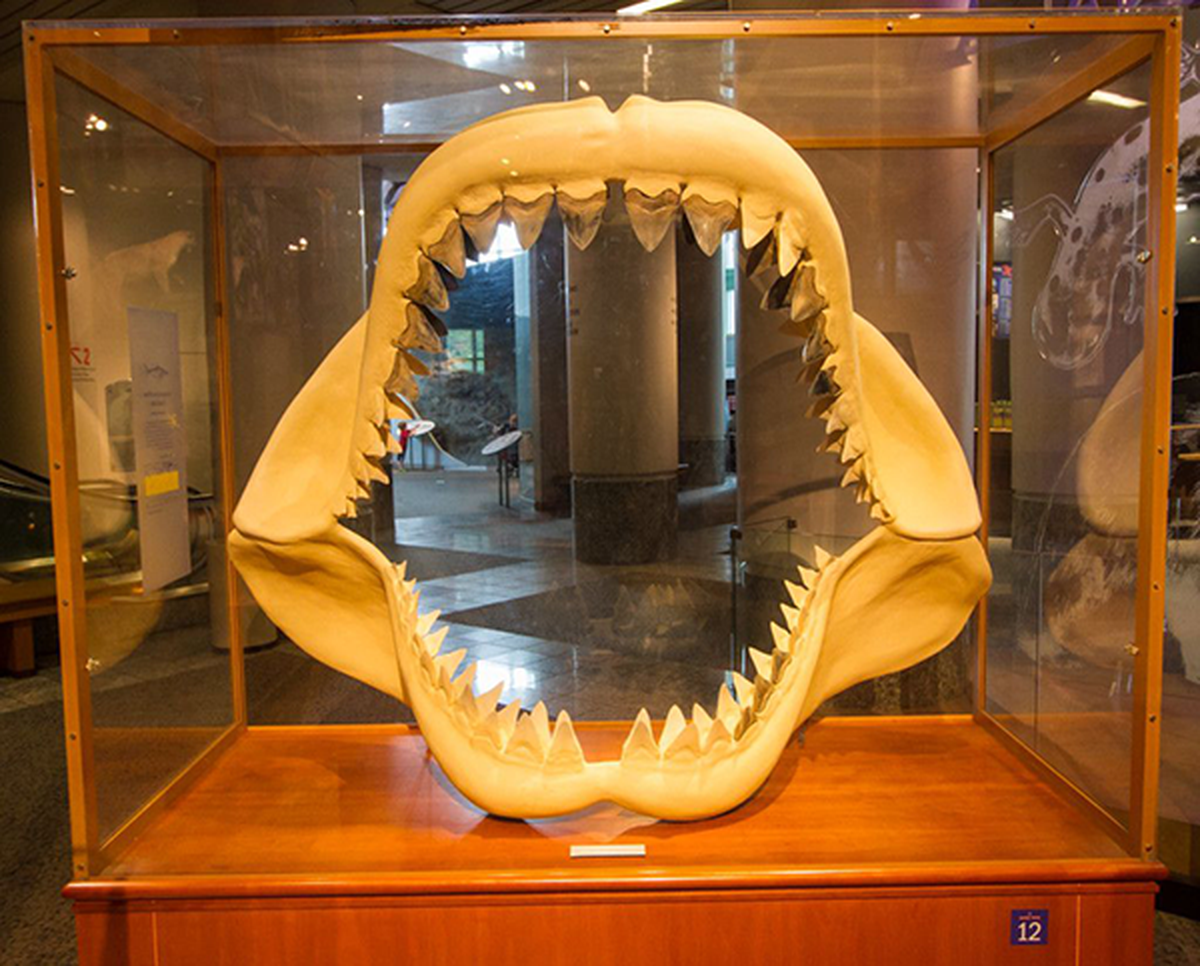
Megalodon Ledge, known to divers as Meg Ledge, is an underwater structure some 30 to 40 miles off the state’s southern coast where tenacious tooth hunters have been harvesting megalodon teeth for more than a decade. If you have an advanced dive certificate and a good guide such as one from Blackbeard Scuba or Wrightsville Beach Diving, you can go look for yourself.
According to the Woods Hole Oceanographic Institution, the hand-sized teeth that divers are finding on the ledge came from 60-foot megalodon sharks that went extinct 3.6 million years ago.
The most productive sites are in 90 to 115 feet of water, divers say.
Be a paleontologist in the sand pits
At the Aurora Fossil Museum, 400 Main Street, Aurora, you can see fossils and specimens from eons past and then go out with a framed screen and look for your own in the museum’s sand pile, known as “The Pits of the Pungo.”
The relics and the sand pit were taken from the spoils of phosphate mining nearby that began in the 1960s and continues today, supplying an ingredient in fertilizer and used in a range of other manufacturing processes.
The museum and pits are open Tuesday through Sunday from 9 a.m. to 4 p.m. through September, and while digging is free, the non-profit museum accepts donations to help with upkeep. Screens are limited to 12 inches by 12 inches, and a garden towel and small garden rake help. The park has picnic tables. Sunscreen is recommended.
If you just have to have a shark tooth and couldn’t find one with both hands, you can buy them online. Megalodon teeth are available, too, from sellers such as The Fossil Exchange, operated by two North Carolina divers who hunt for the teeth themselves.