
Game day really is hotter in that football stadium. Here’s how to play it cool.
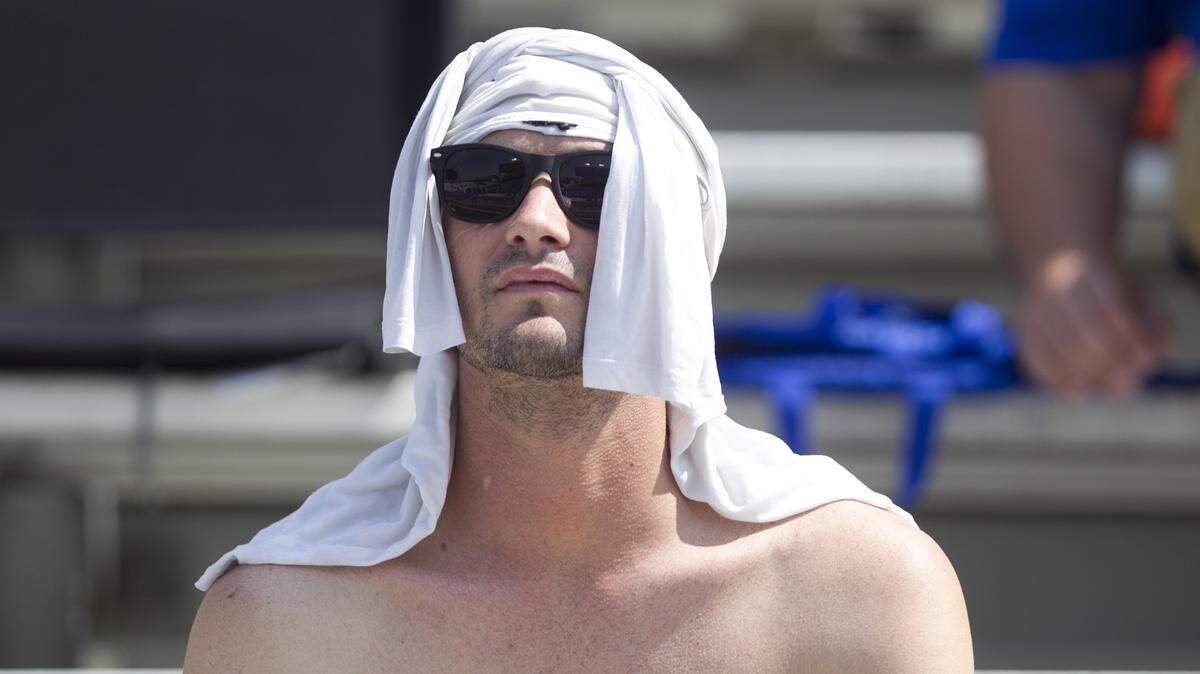
It may seem obvious that mixing large crowds with hot, sunny days has consequences – even more so in the South.
Liz Prince, the director of health promotion at The University of Georgia Health Center, spoke about that connection in 2014, according UGA’s The Red & Black student newspaper.
“Once you’re in that stadium, you have more than 80,000 people crammed in,” Prince said, according to The Red & Black. “The sun could be beating down on you so typically the temperatures in the stadium are going to be hotter than the day’s temperatures might be.”
A 2009 study focused on the University of Alabama’s Bryant-Denny Stadium measured the effects hot weather and a big crowd can have on gameday experiences, Tuscaloosanews.com reported.
The data showed the temperature before kickoff was 8 degrees cooler outside the stadium than it was inside at field level, and western-side stadium seating retained the most heat from facing the sun, the report said.
Bryant-Denny held more than 92,000 people at the time, according to the university.
With temperatures in the Triangle hovering in the 90s, heat will be an issue for fans of N.C. State, UNC and ECU this weekend.
The Centers for Disease Control and Prevention warns that heat is particularly dangerous for some people.
“Those who are at highest risk include people 65 and older, children younger than two, and people with chronic diseases or mental illness,” the CDC’s guide to extreme heat says.
One of the CDC’s top recommendations is to “stay in air-conditioned buildings,” which doesn’t work out for everyone on game day. But the group offers tips on avoiding heat-related illness that do apply inside the stadium:
▪ Drink more water than usual
▪ Wear and reapply sunscreen
▪ Pace yourself on physical activity
▪ Wear loose, lightweight clothes and pick light colors
The CDC also has a list of warning signs for heat-related illness, and advice on what to do based on the situation. In the most extreme cases – heat stroke and heat exhaustion – it is recommended to move to a cooler place and use cool, wet cloths or a cool bath to lower body temperature.
Prince, the UGA hospital health promotion director, took hydration advice to the next level, recommending fans replace alcoholic and caffeinated beverages with water, according to The Red & Black report.
Several umpires gave their input on staying cool during summer games in a report by ump-attire.com.
Their pointers included hydrating with both water and electrolytes, choosing healthy gameday snacks, and using cooling towels. The report also mentioned freezing gel insoles, wearing under shirts and chewing gum.
This story was originally published September 6, 2018 at 1:04 PM.